
Lawn
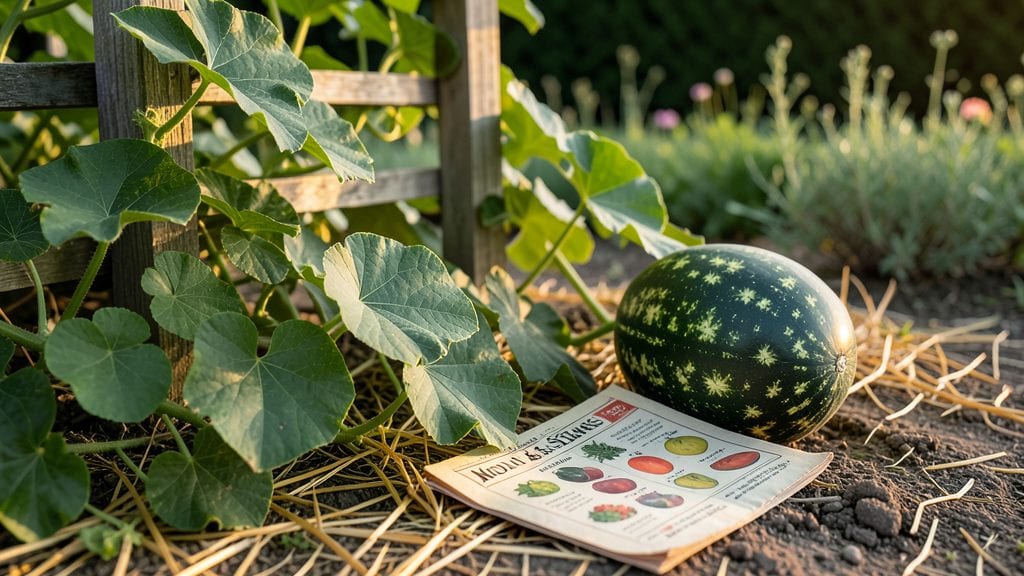
Flipping through the 2026 seed catalogs right now means you’ll beat the rush and snag the best varieties before they sell out. 🌱 I’ve been ordering early for years, and it’s the secret to getting heirloom tomatoes, drought-resistant peppers, and rare flowers that disappear from websites by March.
The catalogs aren’t just wish lists—they’re your blueprint for next year’s harvest, tailored to your climate and what you actually want to grow.
Here’s the thing—some seeds, like those for 100-day zucchini or black Krim tomatoes, vanish within hours of release. Early access also lets you plan for succession planting, save money with bulk discounts, and even test new organic or non-GMO options before they’re widely available.
Think of it as your garden’s New Year’s resolution: start now, and you’ll be harvesting homegrown goodness while neighbors are still debating seed choices at the farmers’ market.
You’ll end up with a garden that’s shockingly productive—imagine three times the basil you’ve ever grown or heirloom beans that outperform store-bought varieties. The catalogs also include growing tips, regional suitability notes, and sometimes even recipes (though we’re keeping this about gardening, not cooking!).
By ordering early, you’ll avoid last-minute panic, ensure your favorite seeds are reserved, and get a head start on next year’s planning.
Perfect for anyone tired of settling for whatever’s left at the garden center. Start browsing now—many companies offer early-bird subscriptions with exclusive perks. Your 2026 garden starts with a single click (or stamp, if you’re old-school).
📚 In This Guide
- What you need
- Instructions
- Tips and common mistakes
- Wrapping up and next steps
What you need
- ● Seed catalogs (2026 editions): At least 2-3 (e.g., Burpee, Park Seed, or Baker Creek) for variety comparisons.
- ● Notebook or digital planner: For tracking seed selections, planting dates, and garden layouts.
- ● Measuring tape: 10-25 ft (for mapping garden beds and spacing).
- ● Graph paper or garden planning software: Free tools like Garden Planner or Planter work great!
- ● Pencil/eraser or digital stylus: For sketching layouts and making notes.
- ● Gloves & knee pads: A pair each (comfort is key for long planning sessions!).
- ● Seed storage containers: Airtight jars or envelopes for saving seeds from your 2025 harvest.
- ● Soil test kit: To check pH/nutrients before ordering seeds (e.g., Luster Leaf kits).
- ● Garden journal: For logging seed performance, weather notes, and future adjustments.
- ● Plant markers: Biodegradable labels for organizing seeds by type/color.
- ● Calendars or seed-starting apps: Like Seedling to track germination timelines.
How to select and order from the 2026 seed catalog
Here's my method for choosing standout varieties that guarantee a productive, vibrant garden next year.
🌱 Step 1: Identify Your Growing Zone and Season
First, confirm your USDA hardiness zone—this determines which seeds will thrive in your climate. Most seed catalogs list zone ranges next to each variety, so cross-reference those with your location. I always check the catalog's planting calendar for my zone to align varieties with my frost dates and last harvest windows.
If you're new to zone-based planning, the catalog will include a zone map or lookup tool. For example, heat-loving peppers won't survive winter in Zone 5, while cold-hardy kale thrives there. Pay special attention to days to maturity—long-season tomatoes won't ripen in short summers, while fast-maturing radishes work perfectly.
🌿 Step 2: Prioritize Varieties Based on Your Garden Goals
Divide your selections into categories: staple crops (tomatoes, zucchini, lettuce), specialty picks (heirloom beans, purple carrots), and experimental varieties (new disease-resistant strains). I like to allocate about 60% of my budget to staples that ensure a reliable harvest, 30% to unique flavors or colors for excitement, and 10% to bold experiments.
Look for descriptors like "disease-resistant," "compact," or "prolific producer"—these save time and frustration later. For instance, a virus-resistant cucumber might cost slightly more but eliminates mid-season losses. Always read the catalog's growing notes for tips on spacing, trellising, or companion planting.
☀️ Step 3: Calculate Seed Quantities and Budget Wisely
Most seed packets contain enough for a 25-foot row, but adjust based on your space. A 10x10-foot raised bed typically needs about 20-30 packets for a full season. I multiply the catalog's suggested row feet by my available space, then add 10% extra for unexpected gaps or second plantings.
Compare prices per packet—some catalogs offer bulk discounts or free seeds with orders over a certain amount. Prioritize heirloom or organic seeds if those are important to you, as they often carry a premium. Set a budget limit (I cap mine at $150 per season) and stick to it, even if the catalog tempts you with rare varieties.
✂️ Step 4: Review Shipping Deadlines and Storage Plans
Order early—most seed catalogs ship in waves, and popular varieties sell out fast. I place my order by late January to ensure arrival before spring planting season. Check the catalog's shipping map for estimated delivery times to your zone, and factor in potential delays if you're ordering internationally.
Store seeds properly until planting: keep them in a cool, dark, dry place (like a sealed container in your pantry). Most seeds last 1-5 years, but the catalog will list germination rates for older seeds. If you're saving seeds from last year, test their viability by planting a few in damp paper towels—80%+ germination means they're still good.
📝 Step 5: Organize and Plan Your Garden Layout
Sketch a rough garden map based on your selections, grouping plants by maturity time, sunlight needs, and companion benefits. For example, place fast-growing radishes near slower tomatoes to maximize space. I use colored pencils to mark sun exposure (yellow for full sun, green for partial shade) and water needs (blue for thirsty plants).
Leave room for 30% more plants than you think you need
Tips & tricks for mastering your 2026 seed catalog selections
These strategic approaches will help you navigate the catalog with confidence and avoid common pitfalls that waste money and time.
Zone Mapping Strategy: Don't rely solely on your general USDA zone—many catalogs provide hyper-local planting zone maps that account for microclimates. I've found that my backyard sits in Zone 6, but the north side of my property is actually Zone 5 due to cold air settling. Use the catalog's interactive zone finder to plot your exact location and compare with their recommended varieties for each micro-zone. This precision can mean the difference between thriving plants and failed crops.
Budget Allocation Insight: The 60-30-10 budget split I mentioned works well, but here's a pro move: allocate your 10% experimental budget to varieties that offer multiple benefits. For example, a 'disease-resistant heirloom tomato' gives you both unique flavor (specialty) and reliability (staple) in one package. This way, even your experimental choices contribute to your garden's productivity rather than just being decorative.
Seed Viability Test: That 80% germination rate test is critical, but here's how to make it more reliable: use distilled water instead of tap water for your germination test—chlorine and minerals in tap water can affect results. Also, place the damp paper towels in a sealed plastic bag with a few drops of water to maintain humidity. I've saved hundreds of dollars by testing old seed stocks this way before committing to full garden plantings.
Layout Optimization: When planning your 30% extra space, think vertically as well as horizontally. Most catalogs include trellis-friendly varieties like pole beans or cucumbers—these can add 2-3 feet of growing space vertically in the same footprint. I've doubled my planting capacity in raised beds by incorporating vertical supports for vining plants, which also improves air circulation and reduces disease risk.
Pro Tips for 2026 Seed Catalog
- These strategic approaches will help you navigate the catalog with confidence and avoid common pitfalls that waste money and time.
- Zone Mapping Strategy: Don't rely solely on your general USDA zone—many catalogs provide hyper-local planting zone maps that account for microclimates.
- Budget Allocation Insight: The 60-30-10 budget split I mentioned works well, but here's a pro move: allocate your 10% experimental budget to varieties that offer multiple benefits.
Frequently asked questions
Got questions about planning ahead for your 2026 seed catalog? You’re not alone! Here are answers to the most common queries to help you get started—without the guesswork.
When should I start ordering seeds for 2026?
Now is the perfect time! Many seed companies release their 2026 catalogs in late 2024 or early 2025, with pre-orders opening as early as fall 2024. Early birds often get first dibs on rare varieties or limited-edition seeds. Pro tip: Set calendar reminders for your favorite catalogs’ release dates!
Are there seeds that need to be ordered early?
Yes! Heirloom, organic, or specialty seeds (like disease-resistant tomatoes or unique flowers) sell out fast. Also, bulk seeds or large quantities may require extra lead time for shipping. Check each catalog’s “availability notes” for early-order deadlines.
Can I save money by ordering early?
Many companies offer discounts for early orders (10–20% off) or bundle deals. Some even provide free shipping if you order before a specific date. Compare catalogs—some prioritize early buyers for exclusive perks like free seed packets with purchases.
What if I miss the early-bird window?
Don’t stress! Most catalogs restock 2026 seeds in spring 2025, though selection may be limited. Alternative options: Check local seed swaps, online resellers (like Etsy), or even 2025 leftover seeds from other growers. Heirloom Seed Libraries are another great backup!
How do I know if a seed is right for my climate?
Look for USDA Hardiness Zone maps in catalogs or use the seed’s “days to maturity” to match your frost dates. Many catalogs now include climate-specific recommendations (e.g., “Best for Zones 5–8”). Pro tip: Filter searches by your state or region if the catalog offers it!
Wrapping up and next steps
The 2026 seed catalog is your golden ticket to a thriving garden—packed with innovative varieties, drought-resistant picks, and heirloom favorites that’ll make your green space the envy of the neighborhood! 🌱 From early-bird planning to smart seed storage, you’ve got everything you need to start dreaming (and pre-ordering) now.
Ready to turn those garden dreams into reality? Bookmark this list, set a reminder for next year’s catalog drop, and start sketching your layout today! Your future harvest—and happy plants—will thank you. 🌿