
What is on this site
This site is for gardeners who want to understand the soil beneath their plants—not just the end result, but the whole process of how seeds grow, how light and shade shape them, and why some thrive while others fail.
Every guide, tip, and troubleshooting note is rooted in real trials: what worked in a raised bed in Maine, what died in a pot in Arizona, and the lessons learned from both.
We organise the site by what you need to know at each stage of growing. Some pages are practical (how to test soil pH, when to prune tomatoes), others are diagnostic (why your basil is yellowing, how to save a wilted fern).
There’s no fluff, no ‘garden of the month’ fluffery—just the things that actually matter when you’re elbow-deep in dirt and wondering what went wrong.
| Where | What is there | Go here if |
|---|---|---|
| The Garden Basics | Soil, tools, and the first steps | you’re starting a new plot |
| Plant Guides | Detailed care for seeds and plants | you’re choosing what to grow |
| Troubleshooting | Diagnoses for wilting, pests, and poor growth | something looks off |
| Seasonal Tips | What to plant, prune, or protect | the calendar changes |
How to read a page here
Every page starts with a clear question—like *‘Why is my tomato plant flowering but not fruiting?’*—followed by the answer in short paragraphs. Numbers in brackets (e.g., *[3]*) mark key steps or exceptions, so you can skip straight to what applies to your garden.
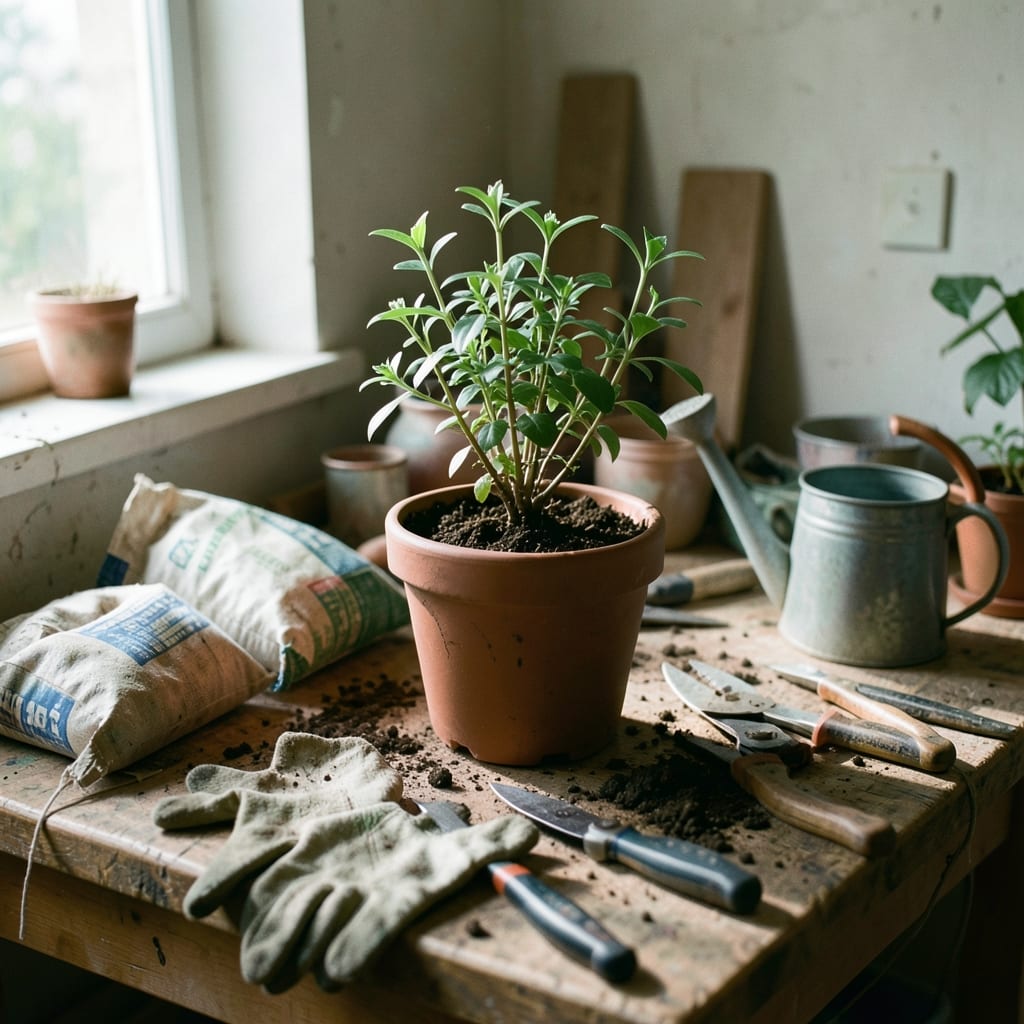
Diagrams and photos show real plants (not staged ones), with labels pointing to the exact part being discussed—like the difference between a healthy leaf and one with powdery mildew.
Timings are in days or weeks, never vague terms like ‘soon’ or ‘later.’ Measurements use metric for precision (grams, centimetres) unless imperial is the standard in your region.
If a method has multiple ways to work—like direct sowing vs. transplanting—we list them side by side so you can pick what fits your space.
Ignore the ‘Also try’ section on a first read. It’s for when you’ve solved the main problem and want to experiment further. The same goes for the ‘Related’ links at the bottom: they’re for digging deeper, not for following every rabbit hole.
When it does not work
Some pages assume you have tools you might not own (like a refractometer for sugar levels in fruit) or space you don’t have (a 6-foot trellis for cucumbers). Others skip over steps that seem obvious—like ‘water thoroughly’—because they’re written for people who garden daily.
If a method doesn’t fit your setup, the ‘Adapt for’ box at the end will suggest workarounds.
Before you give up
- Check the ‘Adapt for’ section for small changes that might make it work
- Look for the ‘Warning’ callouts—some plants *look* easy but need conditions you can’t provide
- Search for the plant’s name *and* your climate zone (e.g., ‘marigolds in zone 5’) for regional notes
- Try the contact page if the issue isn’t listed—some problems (like soil toxicity) need a local eye
Who we are

This site is built by someone who still remembers the smell of zucchini vines in July and the frustration of waiting for seeds that never sprouted.
| The colophon | |
|---|---|
| Written by | Colleen Okafor, who runs the site and tests every guide in her back-yard plot or a rented community garden |
| Tested in | A 4x6-foot raised bed in Portland, Oregon (zone 8a), and a 200-square-foot urban lot in Seattle |
| Written with | A trowel, a soil meter, and a notebook full of crossed-out guesses |
| Learned from | A high school agriculture teacher who showed her how to read a plant’s ‘language’ before it wilts |
| Still getting wrong | The exact moment a seed ‘knows’ it’s time to sprout—so some germination times are still educated estimates |
Gardening is half science, half patience, and all about the small victories: the first true leaf, the day the soil stops cracking, the year the tomatoes actually ripen. This site exists to make those victories easier to find.
If you need something that is not here
We cover the most common problems, but some issues—like saving a tree with root rot or identifying a pest in your specific county—need a closer look. If you can’t find the answer, the contact page is the place to describe your garden’s symptoms.
Include photos (if possible) and your climate zone, and we’ll point you to the right resource—or write one if it’s missing.
The guides are grouped by category: Advice, Aphids, Blooming, Companion Plants, Container Gardens and Diseases.