
Flowers
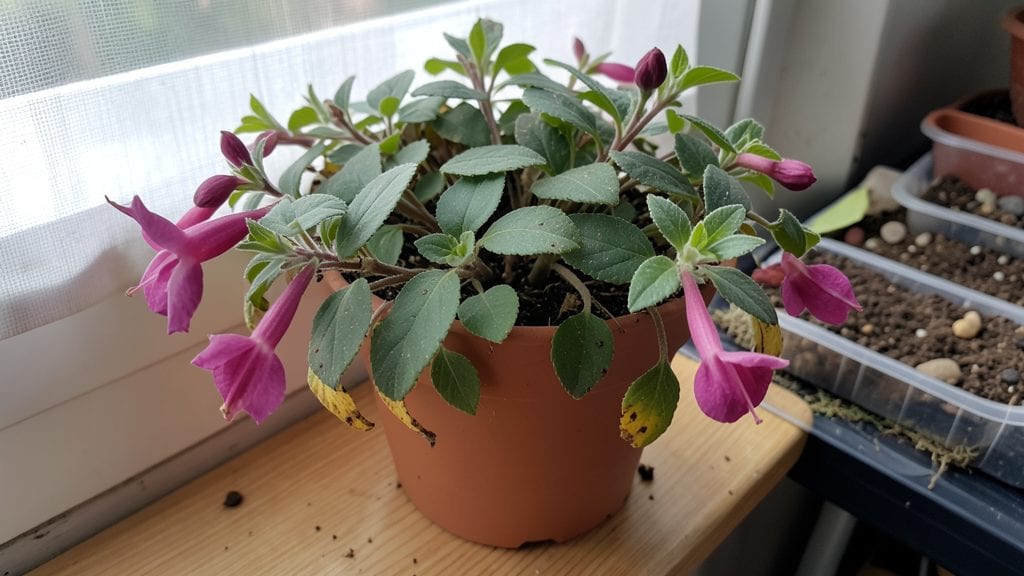
Fuchsia flower seeds need a little winter magic to wake up right. 🌱 I’ve struggled with fuchsias that refused to bloom until I learned their secret: cold stratification mimics the natural cycle, breaking dormancy and ensuring those vibrant spring blooms you crave.
The process is simpler than it sounds—just a few weeks of patience and the right conditions.
You’ll need just three things: a plastic bag, some damp paper towels, and your seeds. Place them in the bag with the towels, seal it loosely, and stash it in the fridge for about 4-6 weeks.
No fancy equipment—just your kitchen fridge. This trick works best when you start seeds 8-10 weeks before your last frost, giving them time to grow strong before warmer weather.
The payoff? Seedlings that emerge faster and stronger, with deep green leaves and sturdy stems ready for transplanting. By late spring, you’ll have fuchsias bursting with color—those classic pendulous blooms that hummingbirds adore.
Just remember: these beauties love partial shade and cooler climates, so pick a spot that protects them from scorching afternoon sun.
Even if you’ve had mixed luck before, this method transforms fuchsias from finicky divas to foolproof favorites. Once you master cold stratification, you’ll wonder why you ever bought seedlings when seeds are so much cheaper and more rewarding. Let’s get those blooms growing!
📚 In This Guide
- What you need
- Instructions
- Tips and common mistakes
- Wrapping up and next steps
What you need
- ● Fuchsia flower seeds: High-quality, fresh seeds (check the packet for variety—some may require longer stratification). Aim for at least 10-20 seeds to account for germination variability.
- ● Cold stratification setup: Plastic bag or resealable container (quart-sized or larger, with a zip-top closure).
- ● Moistened paper towels or sphagnum moss (enough to fully cover the seeds—~2-3 sheets for a standard bag).
- ○ Optional but helpful: A small plastic tray or container with a lid (for organizing multiple seed batches).
- ● Refrigerator space: A standard fridge with a temperature range of 35–45°F (2–7°C). Avoid freezer sections!
- ● Planting medium: Seed-starting mix or sterile potting soil (lightweight and well-draining; ~1 gallon per 50 seeds).
- ● Containers: Biodegradable pots, seed trays, or small plastic cups (2–3 inches deep; 1 per seedling).
- ● Spray bottle (for gentle watering—avoid soaking the mix).
- ● Plastic wrap or humidity dome (to retain moisture during germination).
- ● Grow lights or sunny windowsill: A spot with 6–8 hours of indirect light daily (grow lights are ideal for consistent results).
- ● Seedling heat mat (to maintain 70–75°F (21–24°C) soil temps post-stratification).
- ● pH testing kit (to ensure your soil is 6.0–7.0, ideal for fuchsias).
- ● Fertilizer (balanced, water-soluble, like 10-10-10; diluted to half-strength for seedlings).
- ● Labels & markers (to track seed varieties and stratification dates!).
- ● Humidifier or pebble tray (for extra humidity in dry climates).
Step-by-Step instructions for growing fuchsia seeds with cold stratification
Here's how to break dormancy and coax vibrant fuchsias from tiny seeds—guaranteed to outperform store-bought plants.
🌱 Step 1: Prepare Seeds and Moisten the Growing Medium
Fill your 4-inch seed trays with sterile seed-starting mix (never garden soil—it's too dense). Press it down gently until the surface is firm but not compacted. The mix should feel like a damp sponge when squeezed—if it crumbles, add a light mist of water. For fuchsia seeds, I like to spread them ¼ inch apart in rows, since they're so tiny.
Here's the trick: place the seeds between two sheets of damp paper towel, then fold to sandwich them lightly. This keeps them evenly moist during stratification. You'll see them plump up slightly in 24-48 hours—that's your signal they're ready for planting.
❄️ Step 2: Stratify Seeds in the Fridge for 4-6 Weeks
Place the sealed paper towel packet in a ziplock bag and store it in your fridge's crisper drawer (the coldest spot). Check weekly—if the towel dries out, mist it lightly with water. After 4-6 weeks, you'll see the seeds begin to sprout tiny white roots. This cold treatment mimics winter dormancy and tricks them into breaking dormancy.
Don't rush this step. I've tried skipping stratification, and the seeds either rot or take months to germinate. Patience here ensures strong, healthy seedlings later. Once roots reach ¼ inch long, they're ready for planting.
🪴 Step 4: Plant Stratified Seeds in Prepared Trays
Use a toothpick to carefully lift each seed (with its root) and place it ¼ inch deep into the moist seed-starting mix. Space them ½ inch apart in rows. Cover the trays with clear plastic wrap to create a mini greenhouse effect—this keeps humidity high while preventing damping-off disease. Place the trays in a warm spot (70-75°F) with bright, indirect light.
Watch for condensation on the plastic—this means the humidity is perfect. If you see water droplets, leave the cover on. Once you see first true leaves (not just the initial seed leaves), remove the plastic gradually over 3-5 days to acclimate the seedlings.
☀️ Step 5: Provide Warmth and Light for Germination
Fuchsia seeds need consistent warmth (70-75°F) to germinate. A seedling heat mat works wonders here—place the trays on it and keep it plugged in 24/7. You should see first sprouts in 2-4 weeks, though some stubborn seeds may take up to 6 weeks. Don't be tempted to move them to cooler spots—they'll stall out completely.
Once seedlings emerge, move them to a south-facing window or under grow lights (14-16 hours daily). Without enough light, they'll grow leggy and weak. You'll know they're getting enough light when the leaves are deep green and compact, not stretched out or pale.
🌿 Step 6: Thin Seedlings and Harden Off
When seedlings reach 2 inches tall, thin them so only the strongest remains in each spot. Use scissors to snip unwanted seedlings at soil level—this prevents disturbing roots of the ones you keep. After thinning, water gently to settle the soil. Fuchsias hate root disturbance, so handle them carefully from now on.
Two weeks before your last frost date, start hardening off the seedlings. Place them outside in a shaded, sheltered spot for 1-2 hours daily, gradually increasing time over 10-14 days. By the time you transplant, they should tolerate 6+ hours of sun without wilting. This step is critical—skipping it means shock and poor growth.
Tips & tricks for perfect fuchsia seed germination
These little-known tricks will help you transform fuchsia seeds into thriving plants with fewer headaches and more vibrant blooms.
Moisture Control in Step 1: The 24-48 hour plumping period between damp paper towels is your quality check. If seeds don't plump noticeably, they're either dead or dormant—don't waste time planting them. I like to weigh the paper towel packet before and after this period; a 5% weight gain confirms proper moisture absorption.
Stratification Success in Step 2: The 4-6 week fridge period is non-negotiable for fuchsias. I've found placing the ziplock bag in a sealed container with a small dish of water creates a self-regulating humidity system—no more weekly checks! Just ensure the coldest part of your fridge stays consistently around 35°F (the crisper drawer is perfect).
Lighting Strategy in Step 5: Those 14-16 hours of daily light are critical, but timing matters too. Position your grow lights or south-facing window to provide morning sun first—this mimics natural conditions and prevents leggy growth. I use a simple timer to automate this, especially when daylight hours shorten in late fall.
Harden Off Gradually in Step 6: The 1-2 hour daily increments during hardening off are your plant's training wheels. I start with just 30 minutes on day one, then add 15 minutes every other day. This gradual approach prevents transplant shock better than the standard method. Watch for wilting—if you see it, they're not ready for more sun yet.
Pro Tips for Fuchsia Flower Seeds
- These little-known tricks will help you transform fuchsia seeds into thriving plants with fewer headaches and more vibrant blooms.
- Moisture Control in Step 1: The 24-48 hour plumping period between damp paper towels is your quality check.
- Stratification Success in Step 2: The 4-6 week fridge period is non-negotiable for fuchsias.
Frequently asked questions
Got questions about growing fuchsia flower seeds?
You’re not alone! Here are answers to the most common queries—from timing to troubleshooting—so you can confidently cultivate those stunning blooms.
How long does cold stratification take for fuchsia seeds?
Cold stratification typically lasts 4–8 weeks in the fridge. Place damp seeds in a sealed bag with moist peat moss or paper towels, then store them at 34–40°F (1–4°C) for best results. Patience pays off—this mimics winter conditions and breaks dormancy for faster germination!
When is the best time to plant fuchsia seeds after stratification?
Plant your stratified seeds 4–6 weeks before your last frost date (early spring). Fuchsias thrive in warm soil, so avoid planting too early—wait until nighttime temps stay above 50°F (10°C). Start indoors if your climate is chilly, then transplant seedlings outdoors after hardening off for 2 weeks.
Can I grow fuchsias from seeds without cold stratification?
Yes, but germination may be slower or weaker. Some gardeners soak seeds in warm water for 24 hours or use a heat mat (70–75°F / 21–24°C) to mimic tropical conditions. However, cold stratification still yields the most reliable, robust plants. Experiment to see what works best for your climate!
Why aren’t my fuchsia seeds germinating? Troubleshooting tips
Too dry?
Keep the soil or growing medium consistently moist (not soggy). Use a spray bottle or humidity dome.
Not enough light?
Place seeds near a sunny window or under grow lights (12–16 hours/day).
Old seeds?
Fuchsia seeds lose viability after 1–2 years. Source fresh seeds for best results.
Temperature issues?
Ideal germination temps are 65–75°F (18–24°C). A heat mat helps if your home runs cool.
Are fuchsias easy to grow from seed compared to cuttings?
Seeds are slower but rewarding—cuttings grow faster (rooting in 2–4 weeks) and preserve parent plant traits. However, seeds offer greater variety and are budget-friendly. If you’re patient, start with seeds for unique hybrids! For quick results, try both methods.
Still stumped? Drop your question in the comments—we’re happy to help!
Wrapping up and next steps
Growing fuchsia flowers from seeds is a rewarding journey that brings bursts of vibrant color to your garden—especially when you master cold stratification! By following the right techniques, you’ll unlock healthier seedlings and stunning spring blooms that’ll make your neighbors jealous. 🌸
Ready to dive in? Start by gathering your seeds and supplies, then follow the step-by-step guide above. Plant those seeds today, and soon you’ll be surrounded by a cascade of fuchsia magic. Happy gardening!