
Lawn
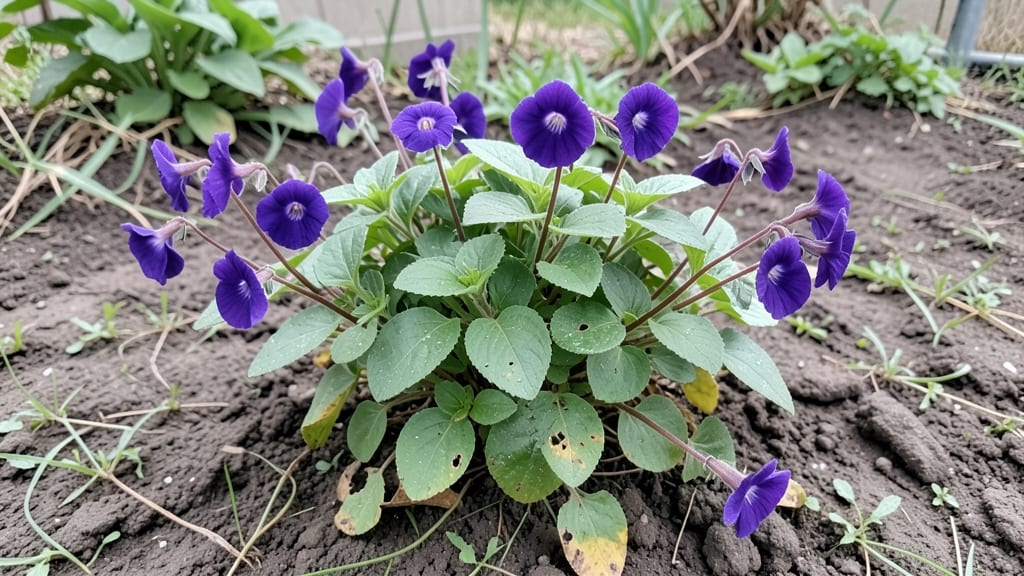
Growing American Seed Impatiens from seed delivers shockingly lush shade gardens that bloom from early summer until frost. I’ve learned the hard way that these aren’t your average impatiens—they’re tougher, more heat-tolerant, and packed with vibrant colors that outshine the competition.
The secret starts with the right timing: sow seeds indoors 8-10 weeks before your last frost, and you’ll have sturdy seedlings ready to outperform nursery plants.
You’ll need well-draining seed-starting mix, a warm spot (around 70°F), and patience—these seeds sprout in 10-14 days if kept consistently moist. Once seedlings have two true leaves, transplant them into individual pots and harden off for a week before moving to their permanent shade spot.
The payoff? Plants that fill gaps with bold reds, pinks, and purples while thriving where other annuals struggle.
Watering is the real game-changer: keep soil evenly moist but never soggy, and you’ll avoid the powdery mildew that plagues weaker impatiens varieties. Mulch helps retain moisture, and a balanced fertilizer every 4-6 weeks keeps blooms coming nonstop.
By midsummer, your shade garden will look like a professional display—neighbor-jealousy levels included.
Fair warning: these aren’t long-lived perennials, but their foolproof annual performance makes them worth the effort. If you’ve ever struggled with floppy, mildew-prone impatiens, this variety changes the game. Let’s get those seeds started right!
📚 In This Guide
- What you need
- Instructions
- Tips and common mistakes
- Wrapping up and next steps
What you need
- ● American Seed Impatiens seeds – Choose New Guinea Impatiens or Balsam Impatiens varieties for bold colors (e.g., Super Elfin or Accent series). Aim for 10–20 seeds per planting area (adjust based on desired density).
- ● Seed-starting mix – A sterilized, peat-based mix (e.g., Pro-Mix BX) to prevent damping-off disease. 1–2 gallons per batch of seeds.
- ● Seed trays or biodegradable pots – 2–3 inch cells or 3–4 inch pots (10–12 trays/pots for a starter batch). Opt for eco-friendly options if transplanting outdoors.
- ● Plastic domes or clear plastic wrap – To create a humidity tent until germination (cover trays loosely).
- ● Grow lights or sunny windowsill – A full-spectrum LED grow light (e.g., Sylvania Grow Lux) or a south-facing window for 6–8 hours/day of light.
- ● Spray bottle – For gentle watering (avoid oversaturating seeds).
- ● Fine mist setting on a hose – For post-germination care (or a watering can with a rose attachment).
- ● Tweezers or seed starter tool – To plant seeds precisely (Impatiens seeds are tiny!).
- ● pH testing kit – Ensure soil pH is 6.0–7.0 (Impatiens thrive in slightly acidic to neutral soil).
- ● Fertilizer (balanced or low-nitrogen) – 5–10–10 or 10–10–10 formula (e.g., Miracle-Gro Shake ‘n Feed) for after germination.
- ● Heating mat – Speeds up germination (keep soil at 70–75°F).
- ● Compost or worm castings – Boosts soil fertility for longer blooms.
- ● Shade cloth (30–50%) – Protects seedlings from harsh afternoon sun if hardening off.
- ● Mulch (pine bark or straw) – Retains moisture and suppresses weeds in garden beds.
- ● Stakes or cages – Supports taller varieties (e.g., Accent Impatiens) as they grow.
Step-by-step instructions for cultivating American seed impatiens
Here’s how to transform your shady corners into vibrant displays—no tricky light requirements here.
Prepare Containers and Soil Mix
Fill your 4-inch pots with a blend of 2 parts potting mix and 1 part perlite—this ensures excellent drainage while retaining moisture, which impatiens adore. I like to add a handful of slow-release fertilizer to each pot before planting; this gives roots a steady nutrient supply without overloading them. Press the mix down gently to remove air pockets, then moisten it with lukewarm water until it feels like a damp sponge—not soggy, just consistently moist.
Impatiens hate dry soil, so this prep step is critical. The perlite prevents compaction, which can suffocate roots and lead to stem rot. If your potting mix is heavy, add an extra ¼ inch of perlite to improve aeration. Tap the container lightly after filling to settle the mix evenly—this prevents uneven water distribution later.
Sow Seeds at the Right Depth
Sprinkle 3-4 seeds per pot, pressing them just below the soil surface—no deeper than ⅛ inch. These tiny seeds need light to germinate, so don’t bury them. Use your fingertip to create a shallow dimple in the soil, then place the seeds inside and cover lightly with a pinch of the same mix. Mist the surface with water until it’s evenly damp but not dripping.
Here’s the thing—impatiens seeds are finicky about moisture. If the soil dries out during germination, they’ll fail to sprout. I cover the pots with plastic wrap to trap humidity, then remove it once the first green shoots appear. Keep the wrapped pots in a warm spot (70-75°F) until germination, which typically takes 10-14 days. You’ll see tiny leaves unfurl first, followed by the familiar impatiens shape.
Provide Consistent Moisture and Indirect Light
Once seedlings emerge, move them to a bright, indirect light spot—think filtered sunlight or a north-facing window. Direct sun will scorch their delicate leaves, so avoid south or west exposures. Water gently at the base every 2-3 days, ensuring the top inch of soil stays moist but not waterlogged. Overhead watering can cause fungal issues, so I use a small watering can with a narrow spout to target the soil directly.
You’ll notice the seedlings grow quickly once established. Thin to the strongest 1-2 plants per pot when they reach 2 inches tall, snipping the weaker ones at the soil line. This prevents overcrowding, which leads to leggy stems and fewer blooms. Fertilize lightly with a balanced liquid fertilizer (10-10-10) every 4 weeks to encourage robust growth and vibrant flowers.
Transition to Outdoor Conditions
After 4-6 weeks, when seedlings show 4-5 true leaves, they’re ready for their final pots or garden bed. Choose a shady to partially shaded location—impatiens thrive where others struggle. If transplanting outdoors, do it on a cool, overcast day to reduce stress. Water thoroughly before and after moving, and avoid placing them in full sun for at least 3 days to help them acclimate.
Mulch the soil surface with 1 inch of shredded bark to retain moisture and suppress weeds. This is especially important in hot climates, where impatiens can dry out quickly. You’ll see new growth within 1-2 weeks, and blooms should appear 6-8 weeks after transplanting. Pinch back leggy stems to encourage bushier growth—this trick works wonders for compact, flowering plants.
Maintain for Continuous Blooms
Deadhead spent blooms regularly to encourage more flowers. Simply snip off the faded blossoms with clean scissors, cutting just above the next set of leaves. This redirects the plant’s energy toward new growth instead of seed production. Water deeply 2-3 times per week, adjusting for heat—drought stress causes buds to drop before opening.
Impatiens are heavy feeders, so repeat the liquid fertilizer every 4 weeks during the growing season. If leaves yellow, they’re thirsty—water immediately and check for adequate drainage. With consistent care, your plants will reward you with bold, continuous blooms from early summer until frost. That’s the magic of impatiens: they turn shady spots into living color.
Tips & tricks for perfect American seed impatiens cultivation
Transforming your shady garden into a vibrant display starts with these essential techniques that address the unique needs of American seed impatiens.
Soil Preparation: The 2 parts potting mix to 1 part perlite ratio is non-negotiable for impatiens—they despise soggy roots but need consistent moisture. I've found that adding an extra ¼ inch of perlite to heavy mixes makes all the difference in preventing compaction. After mixing, gently press the soil to eliminate air pockets, then moisten with lukewarm water until it reaches that perfect damp-sponge consistency. This prep work prevents the two most common issues: stem rot from poor drainage and drought stress from uneven moisture distribution.
Germination Environment: Maintaining that 70-75°F warm spot during the 10-14 day germination period is crucial, but don't overlook the humidity factor. While the instructions mention plastic wrap, I've had better success using a clear plastic dome or even a repurposed glass cloche to create a more stable microclimate. Remove the cover as soon as you see those first green shoots—typically within 7-10 days—and immediately move to bright, indirect light to prevent leggy seedlings.
Transplanting Strategy: The 4-6 week mark for transplanting is perfect, but timing is everything. I wait until seedlings have those 4-5 true leaves and are actively growing before moving them outdoors. For the initial 3-day acclimation period, I place them in partial shade during the day and move them to full shade in the afternoon if temperatures exceed 80°F. This gradual transition prevents transplant shock that can set your plants back by weeks.
Ongoing Maintenance: Deadheading spent blooms is where the magic happens for continuous color, but timing matters. I snip off faded blooms just as they begin to wilt—not after they've completely dried. This redirects energy to new growth rather than seed production. For fertilizer, I've found that alternating between the 10-10-10 liquid fertilizer every 4 weeks and a diluted fish emulsion every 6 weeks gives even more vibrant blooms without burning the delicate roots.
Pro Tips for American Seed Impatiens
- Transforming your shady garden into a vibrant display starts with these essential techniques that address the unique needs of American seed impatiens.
- Soil Preparation: The 2 parts potting mix to 1 part perlite ratio is non-negotiable for impatiens—they despise soggy roots but need consistent moisture.
- Germination Environment: Maintaining that 70-75°F warm spot during the 10-14 day germination period is crucial, but don't overlook the humidity factor.
Frequently asked questions
How fast do American Seed Impatiens grow?
These beauties are fast growers! From seed, expect seedlings to emerge in 10–14 days, and mature plants (ready for blooms) in just 6–8 weeks. With proper care, you’ll see vibrant flowers in 8–10 weeks total—perfect for filling gaps quickly in shady spots.
When is the best time to plant them?
Start seeds indoors 8–10 weeks before your last frost (or buy transplants in spring). For direct sowing, wait until soil is warm (60°F+) and nighttime temps stay above 50°F. Pro tip: If your zone has long, hot summers, opt for fall planting (late summer) to avoid wilting in peak heat.
Why are my impatiens wilting or drooping?
Wilting often signals overwatering or poor drainage. Impatiens love moisture but hate soggy roots. Check your soil—it should feel damp but not waterlogged. If leaves yellow or stems rot, reduce watering and ensure pots/containers have drainage holes. Bonus: Mulch helps retain moisture without suffocating roots!
Can I grow American Seed Impatiens in containers?
They thrive in containers 6–12 inches deep, making them ideal for patios or balconies. Use a well-draining potting mix and a 5-gallon pot or larger for 1–2 plants. Group them with ferns or calibrachoa for a lush, layered look. Just keep them consistently moist—containers dry out faster!
Are impatiens deer- or pest-resistant?
Unfortunately, no! Impatiens are deer magnets and attract aphids, slugs, and snails. To deter pests:
- Handpick slugs at night (they’re most active then).
- Use neem oil for aphids.
- Plant in raised beds to reduce slug access.
- Try deer repellents or surround plants with marigolds (their scent deters deer).
How do I get the brightest colors?
For bold, long-lasting blooms, deadhead spent flowers regularly (pinch or snip them off). Use a balanced fertilizer (10-10-10) every 2–3 weeks during the growing season. Pro tip: Plant in partial shade (2–4 hours of morning sun) to prevent color fading—too much direct sun can bleach petals!
Wrapping up and next steps
American Seed Impatiens are the perfect way to bring vibrant, low-maintenance color to shady spots in your garden! 🌸 With their easy-care nature and stunning blooms, they’re a must-have for any shade lover.
Whether you’re a beginner or a seasoned gardener, these cheerful plants will reward you with months of beauty—just give them the right spot, a little patience, and consistent care.
Now that you’re armed with tips on planting, watering, and troubleshooting, it’s time to roll up your sleeves and get growing! Start by picking out your favorite varieties, prepping your garden bed, and planting those seeds or seedlings.
Before you know it, your shade garden will be a burst of color—and you’ll be the proud gardener who made it happen! 🌿✨