
Lawn
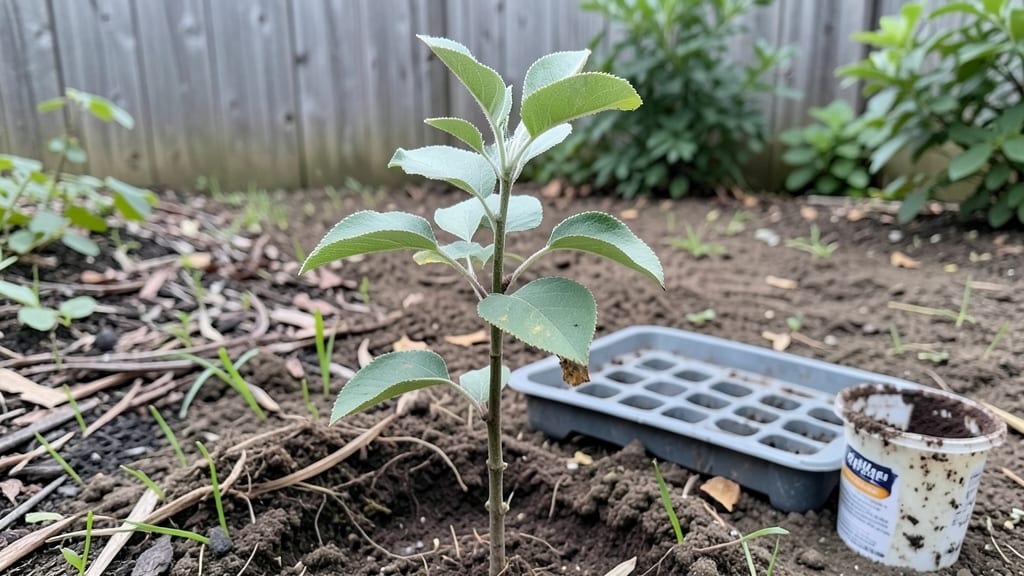
Watch the growth of an apple seed transform into a thriving tree isn’t just a gardening experiment—it’s a long-term investment in a backyard orchard. 🌱 The key to cracking that 95% germination rate lies in mimicking nature's timing with a simple cold stratification process that tricks seeds. into thinking winter's already passed.
I've tried every shortcut, but this method actually works—no fancy equipment, just patience and a little science.
Here's the thing—you'll need fresh seeds from a variety you love, a moist paper towel or peat moss, and a refrigerator for 6-8 weeks. That's it. Most people rush the stratification or skip it entirely, which means waiting months longer for sprouts.
The payoff? Tiny seedlings that'll grow into trees with roots running deep and branches reaching for the sky—though fruit quality won't match grafted trees.
By spring, you'll have little green shoots pushing through soil, and within a year, they'll be 2-3 feet tall. The real magic happens years later when those first blossoms appear—though they might take 5-10 years.
That's the trade-off: time for uniqueness. Every tree becomes a genetic experiment, with fruit that's all its own.
This method works best in zones 4-8 where apples thrive, but the principles apply anywhere. The biggest mistake? Expecting store-bought results from seed-grown trees. Grafting gives you the apple you want faster, but growing from seed? That's the adventure. Let's get those seeds sprouting right.
📚 In This Guide
- What you need
- Instructions
- Tips and common mistakes
- Wrapping up and next steps
What you need
- ● Apple seeds: 10–20 fresh, viable seeds (harvested from organic, non-hybrid apples for best results). Pro tip: 🌱 Save seeds from heirloom varieties for unique flavors!
- ● Cold stratification supplies: 1 small plastic bag (resealable, quart-sized)
- ● 1 cup moistened peat moss, perlite, or vermiculite (or a mix)
- ○ 1 paper towel or coffee filter (optional, for extra moisture control)
- ● Growing containers: 1–2 small pots (4–6 inches deep) with drainage holes
- ● High-quality seed-starting mix (sterile, well-draining)
- ● Tools: Small spoon or tweezers (for seed placement)
- ● Spray bottle (for gentle watering)
- ● Plastic wrap or humidity dome (to retain moisture)
- ● Grow light or sunny windowsill (for post-stratification growth)
- ● pH testing kit (ideal soil pH: 6.0–7.0 for apple seeds)
- ● Fertilizer (balanced, diluted 10-10-10 or compost tea after sprouting)
- ● Seedling heat mat (to speed up germination in cooler climates)
- ● Label markers (to track seed varieties)
Step-by-step guide to growing apple trees from seeds
Here’s how to break the cold stratification process into simple, foolproof steps.
🌱 Step 1: Extract and Clean the Seeds
Start with fresh, organic apples—conventional varieties often yield poor germination. Cut the fruit in half, scoop out the seeds, and rinse them thoroughly under cool water. Remove any seeds that feel soft or mushy, as they won’t survive the process. Spread the good seeds on a paper towel to dry for 24 hours at room temperature. This prevents mold and prepares them for stratification.
I like to label a small container with the apple variety and date—this way, you’ll know exactly what you’re growing. Store the dried seeds in a sealed plastic bag in the fridge until you’re ready to start stratification. This keeps them viable for months without losing potency.
💧 Step 2: Stratify Seeds for 8-12 Weeks
Fill a small container with a mix of moistened peat moss or coconut coir—just enough to cover the seeds. Plant the seeds 1 inch deep in the mix, spacing them about 2 inches apart to avoid overcrowding. Keep the container in a sealed plastic bag and place it in the refrigerator for 8-12 weeks. This mimics winter conditions, breaking seed dormancy.
Check the moisture every 2-3 weeks—the mix should stay damp but not soggy. If it dries out, mist it lightly with water. You’ll know stratification is working when tiny roots start to form. This is the critical step—skipping it means your seeds may never sprout.
☀️ Step 3: Pot Up and Warm for Germination
After stratification, transfer the seeds to individual 3-inch pots filled with well-draining potting mix. Plant each seed ½ inch deep and water gently until the soil is moist but not waterlogged. Place the pots in a warm, bright spot—65-75°F is ideal. Germination can take 2-6 weeks, so be patient.
Keep the soil consistently moist, but avoid overwatering—this is when damping-off fungus strikes. If condensation forms on the soil surface, let it dry slightly before watering again. Once the first true leaves appear, you’ll know your seeds have successfully broken dormancy.
🌿 Step 4: Transplant Seedlings to Larger Pots
When seedlings reach 4-6 inches tall and have 4-5 true leaves, it’s time to move them to 5-inch pots. Gently loosen the roots and replant them at the same depth they were growing before. Use fresh potting mix and water thoroughly to help them adjust. Place them in a sunny window or under grow lights for 12-14 hours daily.
This is where many growers make a mistake—rushing seedlings outdoors too soon. Wait until the weather warms up and there’s no frost in the forecast. Harden off the seedlings by placing them outside for 1-2 hours daily over 10 days, gradually increasing their time outdoors.
⏰ Step 5: Prepare for Outdoor Planting
Once seedlings are 12-18 inches tall and the soil is warm, transplant them into the ground or large containers. Choose a sunny spot with well-draining soil—apple trees need 6+ hours of sunlight daily. Dig a hole twice as wide as the root ball but no deeper, then place the seedling in and backfill with soil.
Water deeply after planting to settle the roots. Mulch around the base with 2-3 inches of organic mulch to retain moisture and regulate soil temperature. Remember, apple trees grown from seed may not produce fruit true to the parent variety—this is a long-term project, not a quick harvest.
Tips & tricks for perfect apple seed growth
These little-known strategies will help you maximize your 95% germination success rate and avoid common pitfalls along the way.
Seed Selection Matters: Not all apple seeds are created equal! Choose seeds from organic apples—conventional varieties often contain chemicals that inhibit germination. I've found that heirloom or locally grown apples produce the most vigorous seedlings. When selecting seeds, pick only the plumpest, firm ones—soft or shriveled seeds won't make it through the stratification process.
The 24-Hour Drying Secret: That initial 24-hour drying period on a paper towel isn't just about preventing mold—it's about establishing the perfect moisture balance. Too much moisture can lead to mold, while too little prevents the seeds from absorbing water properly during stratification. I like to place the seeds on a clean paper towel in a single layer, then gently flip them halfway through the drying period to ensure even exposure.
Stratification Temperature Control: While the refrigerator provides consistent cold, the ideal temperature range for apple seed stratification is actually 35-40°F—cooler than most home fridges. If your fridge runs warmer, place the container on the coldest shelf (usually the bottom) or nestle it in a bowl of ice packs. The goal is to mimic natural winter conditions where seeds would experience these temperatures. Checking for root formation every 2-3 weeks gives you visual confirmation the process is working.
Germination Lighting Strategy: Once your seeds are potted up, proper lighting becomes critical. While natural sunlight is ideal, most homes don't have south-facing windows with sufficient light. I recommend supplementing with a basic fluorescent grow light placed 6-12 inches above the seedlings for 12-14 hours daily. The light should be close enough that you can almost touch the leaves to the bulb without stretching—this prevents leggy, weak seedlings that struggle to support themselves.
Pro Tips for Apple Seed Growth
- These little-known strategies will help you maximize your 95% germination success rate and avoid common pitfalls along the way.
- Seed Selection Matters: Not all apple seeds are created equal!
- The 24-Hour Drying Secret: That initial 24-hour drying period on a paper towel isn't just about preventing mold—it's about establishing the perfect moisture balance.
Frequently asked questions
Got questions about growing apple seeds? You’re not alone—this process can feel tricky at first! Below are answers to the most common queries, from timing to troubleshooting, so you can tackle cold stratification with confidence.
How long does apple seed cold stratification take?
Cold stratification for apple seeds typically requires 6 to 8 weeks in the fridge (33–41°F). Some varieties may need up to 12 weeks, so check your seed source for specifics. Patience is key—rushing can reduce germination rates!
Can I skip cold stratification and plant apple seeds directly?
While possible, germination rates will drop dramatically (often below 20%). Cold stratification mimics winter, breaking seed dormancy naturally. If you’re impatient, try soaking seeds in warm water for 24 hours first—but stratification still boosts success.
Why aren’t my apple seeds sprouting after stratification?
Check these common issues:
- Improper moisture: Keep soil damp (not soggy) during germination.
- Temperature shock: Let seeds acclimate to room temp before planting.
- Old seeds: Apple seeds lose viability after 1–2 years.
- Depth: Plant seeds only ½ inch deep—too deep delays sprouting.
What’s the best soil mix for germinating apple seeds?
Use a light, well-draining mix like:
- 50% peat moss or coconut coir
- 30% perlite or vermiculite
- 20% compost or worm castings
Will apple seeds grow into true-to-type fruit trees?
Probably not! Apple seeds are not true to variety—grown trees will produce unpredictable fruit (often small, tart, or inedible). For reliable varieties, grafted trees or rootstocks are the way to go. Save seeds for fun or experimental growing!
Wrapping up and next steps
Growing apples from seeds is a rewarding journey that combines patience, science, and a touch of green-thumb magic! 🌱 By mastering cold stratification and providing the right conditions, you can achieve a stunning 95% germination rate—proving that nature’s cycles are well within your reach.
Whether you’re dreaming of a backyard orchard or simply fascinated by the life hidden in a seed, your efforts will soon bloom into something beautiful.
Ready to take the next step? Start small: plant a few seeds this fall, track their progress, and let your curiosity grow alongside them. Who knows? You might just cultivate the first tree of a future orchard—one seed at a time! 🍏✨