
Pests
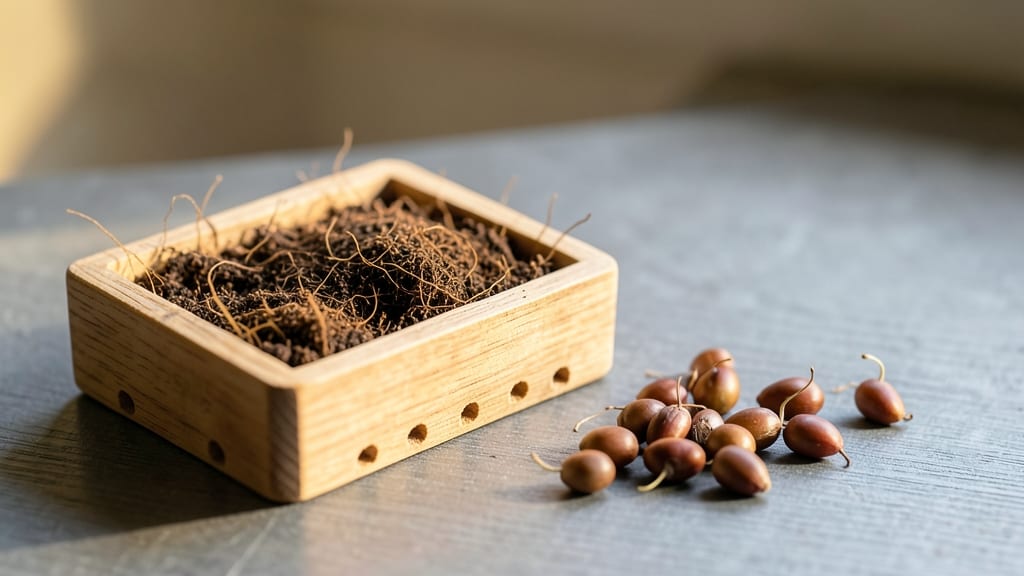
Using apple seeds images lets you spot dangerous varieties containing cyanogenic glycosides, which convert to cyanide when crushed. Always verify seed origins before planting or eating raw seeds—heat processing lowers but doesn't eliminate the hazard.
Not all apple seeds are equally risky—wild apple varieties like those from Malus sieversii contain significantly higher levels of amygdalin than cultivated apples. 🔥 The key lies in visual identification: toxic seeds often appear flatter, darker, and more elongated than those from grocery-store apples.
I recommend comparing images of common edible cultivars (like Granny Smith or Honeycrisp) against wild apple seed references before attempting any gardening projects.
Even when seeds look identical, processing matters: roasting seeds at 350°F for 15+ minutes breaks down about 90% of cyanogenic compounds, but trace amounts remain. For gardeners, this means treating all seeds as potentially hazardous until properly tested or sourced from certified non-toxic varieties.
💡 In This Article
- Toxic Apple Seeds: Chemical Risks and Plant Biology
- Safe Apple Seed Identification: Visual and Botanical Clues
Toxic apple seeds: chemical risks and plant biology
The danger in apple seeds comes from amygdalin, a cyanogenic glycoside that converts to hydrogen cyanide when crushed or chewed. This chemical reaction occurs through enzymatic hydrolysis: the seed's beta-glucosidase enzyme splits amygdalin into benzaldehyde, glucose, and cyanide gas.
Wild apple varieties like Malus sieversii contain 5-10 times more amygdalin (up to 0.3% by weight) than commercial apples (typically 0.005-0.01%). 🔥
Cyanide toxicity triggers symptoms like dizziness, nausea, and rapid breathing—dangerous at doses above 50-60 mg. A single apple contains about 0.1-0.5 mg of amygdalin per seed, meaning you'd need to consume roughly 100-600 seeds at once for acute poisoning.
However, children or pets are far more vulnerable due to their smaller body weight. Cooking reduces cyanide by 50-90% through heat denaturation of enzymes, but trace amounts persist.
The seed's hard outer shell protects the toxic compounds until mechanical damage occurs. When you bite into a seed, the cell walls rupture, releasing enzymes that immediately begin converting amygdalin.
This is why visual identification of seed varieties matters—wild apple seeds often appear darker brown, flatter, and more elongated than those from grocery apples, which are typically lighter and more rounded.
Cultivated apples have undergone selective breeding to minimize amygdalin content, but no variety is completely safe. For example, Granny Smith apples contain 0.007% amygdalin, while wild crabapples can exceed 0.2%.
The variation explains why some gardeners experience no issues while others face reactions—it's not just about the apple type but also the growing conditions affecting chemical concentrations.
Here's what's actually happening chemically: amygdalin's cyanide release follows this pathway:
- Step 1: Amygdalin + water → mandelonitrile + glucose
- Step 2: Mandelonitrile → benzaldehyde + hydrogen cyanide (toxic gas)
For gardeners, this means treating all seeds as potentially hazardous until properly tested. Even "safe" varieties can develop higher toxin levels when stressed by poor soil or pests.
Always source seeds from reputable nurseries that specify low-amygdalin cultivars like Evercrisp or Liberty, which have been bred for reduced cyanogenic content. 💫