
Pruning
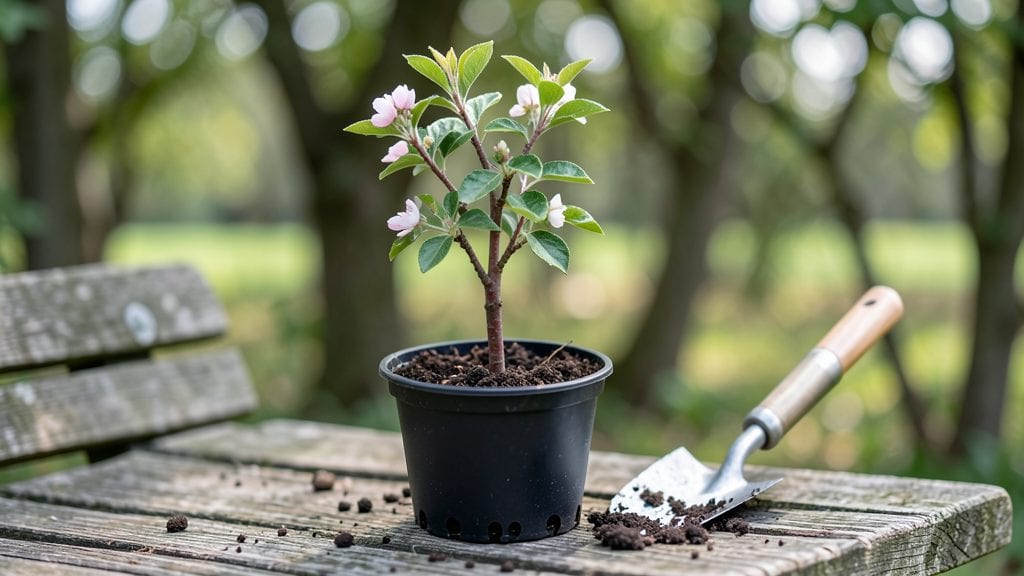
Caring for apple tree seedlings transforms a fragile sapling into a sturdy young tree ready to bear fruit someday. 🌱 I’ve nursed more than my share of these delicate starters, and the secret lies in mimicking what they’d experience in the wild—just with a little more attention to water and sunlight.
The first year sets the foundation for everything that comes after, so getting these basics right means stronger roots, thicker branches, and a tree that outgrows common seedling struggles.
You’ll need well-draining soil, a spot with at least 6 hours of sunlight daily, and a watering routine that keeps the roots moist but never soggy. Most beginners overwater, thinking seedlings need constant dampness, but apple tree roots actually prefer to dry out slightly between waterings.
A 5-gallon container or planted directly in the ground works—just avoid planting too deep, which can strangle the stem. Pruning comes later, but even now, you can remove any broken or crossing branches to encourage a strong structure.
By next spring, your seedling should be 2-3 feet tall with a trunk thicker than a pencil. The key is consistency: regular watering, occasional fertilizer (lightly, in early spring), and watching for pests like aphids or spider mites.
These early-stage challenges are easier to handle than you’d think—just a spray of soapy water or neem oil keeps them in check. The payoff? A tree that grows faster and stronger than store-bought saplings, with roots adapted to your exact soil and climate.
This method works whether you’re growing in a pot or planting directly in the ground, and it scales from backyard orchards to container gardens. The real magic happens in the details—like knowing when to prune, how much to water, and what to watch for as seasons change.
Let’s get those seedlings thriving!
📚 In This Guide
- What you need
- Instructions
- Tips and common mistakes
- Wrapping up and next steps
What you need
- ● Apple tree seedling: A healthy 1-2 year old seedling (or seeds from a high-quality apple variety). Pro tip: 🌟 Choose disease-resistant varieties if possible!
- ● Well-draining soil: 5-10 bags of a mix like 50% native soil + 50% compost (or potting mix for container growing).
- ● Pruning tools: 1 sharp bypass pruners (for clean cuts on small branches).
- ● 1 hand pruner or loppers (for thicker stems, if needed).
- ● Mulch: 2-3 bags of organic mulch (e.g., wood chips or straw) to retain moisture and suppress weeds.
- ● Watering can or hose: With a gentle spray nozzle for delicate seedlings.
- ● Fertilizer: 1 balanced fertilizer (10-10-10 or 20-20-20) for young trees.
- ○ 1 slow-release granular fertilizer (optional, for long-term growth).
- ○ Support stakes (optional): 1-2 6-foot wooden or bamboo stakes + soft tree ties to secure young trees in windy areas.
- ● Pest control (preventative): Neem oil spray or insecticidal soap (for aphids, mites, or borers).
- ○ Copper tape (optional, to deter rodents or climbing pests).
- ● Sunlight: A full-sun spot (6+ hours of direct light daily). Apple trees thrive in open, sunny areas!
- ● Space: At least 15-20 feet of clearance for mature growth (or a dwarf variety for smaller yards).
- ● Soil pH: Test your soil—apple trees prefer slightly acidic to neutral (6.0–7.0 pH). Adjust with lime or sulfur if needed.
- ● Drainage: Avoid low-lying areas where water pools. Raised beds or slopes work great!
- ● Cross-pollination (for fruit-bearing): Plant a second apple tree of a compatible variety within 50–100 feet for pollination.
- ● Soil moisture meter to track hydration levels.
- ● Tree guard or protective wrap for young trunks (to prevent animal damage).
- ● Drip irrigation system for consistent watering.
- ● Garden journal to track growth, pruning dates, and fertilizer applications.
Step-by-step guide to nurturing young apple tree seedlings
Here’s how to give your new apple seedlings the strong foundation they need to grow into healthy, fruit-bearing trees.
🌱 Step 1: Plant Seedlings at the Right Time and Depth
Timing matters—plant your seedlings in early spring, just as buds begin to swell but before leaves emerge. This gives roots time to establish before summer heat stress. Dig a hole twice as wide as the root ball but only as deep as the container’s base—burying too deep suffocates roots, while planting too shallow leaves them vulnerable to drying.
Loosen the soil around the edges of the hole with your fingers to encourage root spread. Gently remove the seedling from its container, tease the roots outward if they’re circling, and place it in the hole so the top of the root ball sits level with the surrounding soil. Fill around the roots with native soil, pressing lightly to eliminate air pockets. Water deeply to settle everything—you’ll know it’s right when moisture reaches 6 inches down.
💧 Step 2: Water Deeply and Mulch for Moisture Retention
Young apple trees need consistent moisture but hate soggy roots. Water once a week (more in extreme heat) with 1-2 gallons per tree, directing the stream at the base to avoid wetting leaves. You’ll see success when the soil stays damp but not waterlogged—stick your finger 2 inches deep; if it feels dry, it’s time to water again.
Spread 3 inches of organic mulch (like wood chips or straw) in a 3-foot diameter circle around the trunk, keeping it 6 inches away from the base. This conserves moisture, regulates soil temperature, and blocks weeds. Refresh the mulch annually—it breaks down over time, so a top-up ensures continuous protection.
☀️ Step 3: Provide Sunlight and Prune for Strong Structure
Apple seedlings thrive in full sun, so choose a spot with at least 6-8 hours of direct sunlight daily. If your climate is hot, afternoon shade helps prevent leaf scorch. You’ll notice healthy growth when leaves are deep green and stems are sturdy, not leggy or yellowing.
Prune in late winter or early spring before new growth begins. Remove dead, crossing, or inward-growing branches using clean, sharp pruners—cut just outside the branch collar. Aim to shape the tree into an open-center form, keeping the strongest scaffold branches spaced 12-18 inches apart. This encourages airflow and reduces disease risk.
✂️ Step 4: Fertilize and Protect Against Pests
Feed your seedlings once in early spring with a balanced, slow-release fertilizer (10-10-10 ratio). Apply ½ cup per tree, working it into the top 6 inches of soil. Over-fertilizing burns roots, so avoid nitrogen-heavy mixes—you’ll see better results with steady, moderate nutrition. Water immediately after applying to help distribute nutrients.
Watch for aphids, tent caterpillars, or borers—common early threats. Inspect leaves weekly for sticky residue (aphids), silk webbing (tent caterpillars), or sawdust-like frass (borers). Treat infestations early with neem oil spray or insecticidal soap, applying in the early morning to avoid harming beneficial insects. Healthy trees resist pests better, so prioritize proper watering and pruning.
⏰ Step 5: Monitor Growth and Prepare for Winter
By fall of the second year, your seedling should reach 4-6 feet tall with a strong trunk. Measure its height annually—if growth stalls, check for root-bound conditions (dig gently to inspect) or nutrient deficiencies (yellow leaves signal nitrogen needs). Thin out crowded branches to maintain an open canopy, which improves fruit production later.
Before winter, wrap the trunk with tree guard or burlap to protect against rodent gnawing and frost cracks. Pile extra mulch (up to 4 inches) around the base for insulation. In Zone 5 or colder, consider wrapping the entire tree in burlap if temperatures drop below -10°F—young bark is especially vulnerable to winter damage.
Tips & tricks for perfect apple tree seedling care
Here's what I've learned from years of nurturing young apple trees—these details make all the difference between a struggling sapling and a thriving future fruit bearer.
Timing is Everything: The early spring planting window—when buds swell but leaves haven't emerged—is your golden opportunity. I've seen seedlings planted too early suffer from winter dieback, while those planted too late struggle with summer heat stress. Check your local frost dates and aim for that precise moment when daytime temperatures consistently stay above freezing.
Root Ball Placement Matters: When positioning your seedling, the top of the root ball should sit level with the surrounding soil—never buried or exposed. I learned this the hard way after planting several too deep, which led to root suffocation. Use a level tool to verify placement, and remember that the root flare (where roots meet trunk) should be visible above soil level. This simple check prevents years of growth problems.
Watering Wisdom: The once-weekly watering guideline works perfectly in moderate climates, but adjust for your conditions. In my experience, container-grown seedlings need watering every 3-4 days during their first summer. Always check soil moisture 2 inches down—if it's dry, it's time to water. The goal is consistent dampness, not soggy soil, which can lead to root rot.
Winter Protection Strategy: For Zone 5 and colder climates, that -10°F threshold is critical. I've seen young trees survive winter just fine, only to develop frost cracks when temperatures dip slightly lower. Wrap trunks with tree guard or burlap, and consider wrapping the entire tree if your winter regularly drops below -10°F. This simple protection prevents costly damage that can take years to recover from.
Pro Tips for Apple Tree Seedling Care
- Here's what I've learned from years of nurturing young apple trees—these details make all the difference between a struggling sapling and a thriving future fruit bearer.
- Timing is Everything: The early spring planting window—when buds swell but leaves haven't emerged—is your golden opportunity.
- Root Ball Placement Matters: When positioning your seedling, the top of the root ball should sit level with the surrounding soil—never buried or exposed.
Frequently asked questions
Got questions about nurturing your apple tree seedling?
You’re not alone! Here are answers to the most common concerns—from planting to troubleshooting—so you can keep your young tree on the path to fruity success.
How long does it take for an apple tree seedling to bear fruit?
Patience is key! Most apple tree seedlings grown from seeds (not grafts) take 5–10 years to bear fruit—if they ever do. For faster results, opt for grafted seedlings or young trees, which can produce fruit in 2–4 years.
When is the best time to plant an apple tree seedling?
The ideal window is late fall or early spring (before buds swell). Planting in fall lets roots establish over winter, while spring planting avoids frost stress. Avoid extreme heat—spring or fall gives your seedling the best shot at thriving.
Why are my apple tree seedling leaves turning yellow?
Yellow leaves often signal overwatering, underwatering, or nutrient deficiency. Check soil moisture (keep it consistently damp but not soggy) and ensure proper drainage. Yellow edges? Likely chlorosis—amend soil with iron or lime if needed.
Can I grow an apple tree from a store-bought apple seed?
Yes, but expect unpredictable results! Seed-grown trees may not match the parent fruit’s taste, size, or disease resistance. For reliable varieties, buy grafted seedlings from nurseries. Pro tip: Save seeds from heirloom apples for a fun, experimental twist!
What pests should I watch for in young apple tree seedlings?
Keep an eye out for aphids, spider mites, and borers. Use neem oil or insecticidal soap for soft-bodied pests. For borers, prune infested branches and apply beneficial nematodes. Healthy soil and regular inspections prevent most issues!
Wrapping up and next steps
Caring for an apple tree seedling is a rewarding journey that blends patience, attention to detail, and a touch of nature’s magic. 🌱 By following the right steps—from proper planting and pruning to consistent watering and soil nourishment—you’re setting the stage for a thriving tree that will bear fruit for years to come.
Remember, every expert gardener started with a single seedling, so trust the process and enjoy the growth!
Now that you’re armed with knowledge, take the next step: grab those pruners, head to your garden, and give your seedling the love it deserves. Happy planting—and may your apple tree flourish! 🍏✨