
Pests
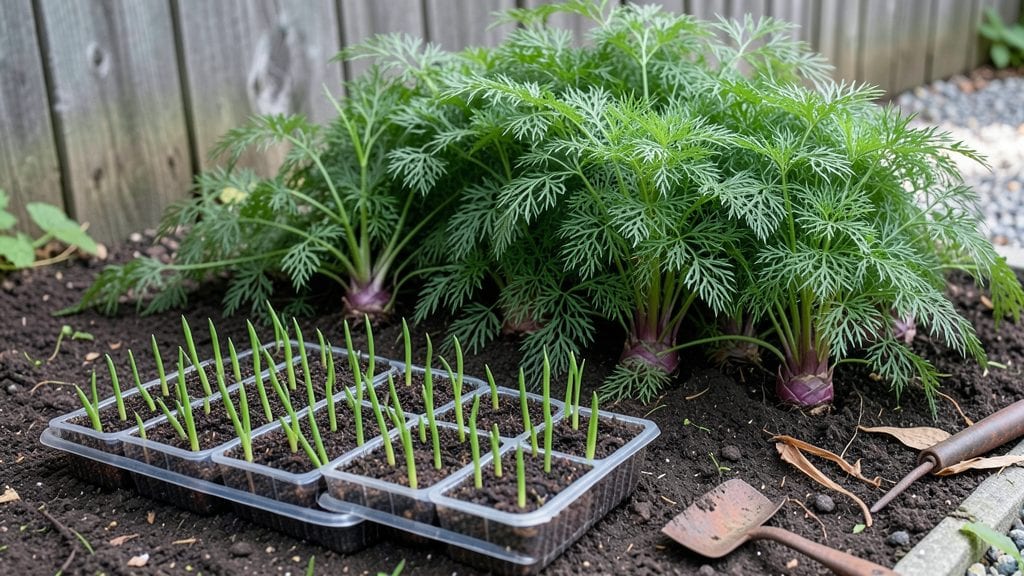
Asparagus seeding out isn’t just a problem—it’s a battle against weeds that steal your crop’s nutrients and sunlight. I’ve lost entire beds to aggressive seedlings crowding out my asparagus crowns, but this method clears them out without chemicals.
The key is timing: tackle seedlings when they’re small but established, before they set seed themselves.
Start by testing soil moisture—dry ground makes pulling harder. Use a hand fork to loosen the soil around the asparagus crowns first, then grasp weeds at their base and yank firmly. For stubborn ones, a sharp knife or hori-hori tool cuts roots cleanly.
Work in early morning or late afternoon to avoid stressing the asparagus plants, and water deeply afterward to help them recover.
You’ll see a noticeable difference in just two weeks: fewer weeds, more sunlight reaching your asparagus, and crowns that focus energy on spears instead of competing with invaders. The long-term payoff? Healthier plants that produce for decades with minimal effort once established.
This works for both new and mature asparagus beds, though young plants need extra care. If weeds persist, mulch with straw or wood chips to smother new growth naturally. Consistency is everything—stay ahead of the weeds, and your asparagus will thrive.
Root Causes Of Unwanted Spread
When asparagus plants start seeding out uncontrollably, it’s usually a sign that nature—or human habits—are taking over. Understanding the why behind this behavior is the first step to regaining control. Below, we break down the most common triggers, backed by science and actionable insights.
Asparagus is a perennial crop, meaning it lives for years—and the older it gets, the more aggressive it becomes. When crowns (the thick, woody base of the plant) aren’t properly managed, they produce more and more shoots, some of which develop into seed stalks. This happens because:
- Crowded roots: Asparagus crowns expand over time. If they’re not divided or thinned, they compete for nutrients, leading to feral growth patterns, including seed production.
- Lack of harvest discipline: Skipping annual harvests (especially in the first 2–3 years) signals the plant to prioritize reproduction over food storage. Without regular cutting, energy shifts to seed development.
- Poor soil fertility: Nutrient-deficient soil stresses the plant, triggering survival mechanisms—including seed production—to ensure the next generation thrives.
Actionable fix: Thin crowded beds every 3–4 years, harvest consistently, and amend soil with compost to reduce stress.
When asparagus plants face stress from pests or pathogens, they often respond by producing seed stalks as a defense mechanism. Here’s how it plays out:
| Pest/Disease | How It Triggers Seeding | Signs to Watch For |
|---|---|---|
| Asparagus Beetles | Heavy feeding (especially on young shoots) weakens the plant, prompting it to allocate energy to seeds instead of growth. | Chewed foliage, black/purple beetles, or egg masses on stems. |
| Fungal Infections (e.g., Fusarium, Phytophthora) | Root rot or crown blight disrupts nutrient uptake, forcing the plant into survival mode—seed production. | Wilting, yellowing fronds, or mushy crowns. |
| Nematodes | These microscopic worms damage roots, reducing the plant’s ability to store energy, so it shifts focus to seeds. | Stunted growth, poor spear quality, or gnarled roots. |
Actionable fix: Monitor for pests early, use row covers to block beetles, and rotate crops to break disease cycles.
Asparagus is a hardy plant, but extreme conditions can push it into reproductive overdrive. Key triggers include:
- Drought or irregular watering: Water stress forces the plant to conserve energy, often by producing seeds. Asparagus needs 1–1.5 inches of water weekly during growing season.
- Temperature fluctuations: Sudden heatwaves or late frosts disrupt flowering cues, leading to abnormal seed stalk formation.
- Poor drainage: Waterlogged soil suffocates roots, starving the plant and prompting seed production as a last resort.
Actionable fix: Mulch beds to retain moisture, water deeply but consistently, and choose well-draining soil (sandy loam is ideal).
Some asparagus varieties are hardwired to seed out more aggressively due to their genetics. For example:
- Hybrid vs. heirloom varieties: Many heirloom asparagus (like ‘Mary Washington’) are open-pollinated and will seed freely if left unchecked. Hybrids (e.g., ‘Purple Passion’) may be bred to suppress seeding but can still revert under stress.
- Cross-pollination: If multiple asparagus varieties grow nearby, wind or insects can cross-pollinate them, leading to unpredictable seedling populations the following year.
Actionable fix: Choose low-seeding hybrid varieties if control is a priority, and isolate beds to prevent cross-pollination.
The most overlooked cause? Lack of upkeep. Asparagus is a perennial crop, meaning it demands long-term care. Common mistakes that lead to seeding include:
- Not cutting back seed stalks: Every flower stalk that goes to seed produces 50–100 seeds. If you don’t remove them, you’ll have a self-sowing problem within a year.
- Ignoring feral shoots: Asparagus spreads via underground rhizomes. If you let volunteer shoots grow wild, they’ll eventually form seed stalks.
- Over-fertilizing with nitrogen: Too much nitrogen promotes leafy growth over seed production—but not enough nitrogen stresses the plant, triggering seeds as a backup plan.
Actionable fix: Snip off seed stalks at the base before they mature, pull up feral shoots, and use a balanced fertilizer (e.g., 5-10-10) to avoid nutrient imbalances.
Fixing Unwanted Asparagus Spread
Asparagus plants can be persistent, and when they start seeding out uncontrollably, it’s time to take action. The good news? You don’t need harsh chemicals to reclaim your garden—just a few targeted strategies.
Below, we’ll map the most common causes to practical fixes, plus prevention tips to keep your yard tidy.
Cause: Asparagus spreads via underground rhizomes and seeds, leading to dense clusters that compete for nutrients. Fix:
- 🔪 Dig up and discard unwanted shoots as soon as they appear (wear gloves—rhizomes can be sharp!).
- 📏 Space remaining plants 12–18 inches apart to reduce crowding.
- 🌱 For established beds, trim back excess foliage in early spring to redirect energy to healthy crowns.
Prevention Tip: 💡 Mulch heavily (3–4 inches of straw or wood chips) to suppress seed germination and smother weeds.
Cause: Asparagus rhizomes can creep 3–5 feet beyond the plant’s base, creating new shoots. Fix:
- 🔨 Install a barrier (like buried landscape fabric or a metal edging) 12–18 inches deep around the bed to block underground spread.
- 🌿 For stubborn rhizomes, dig a trench 6 inches deep around the perimeter and remove any stray roots.
- ⏰ Time it right: Early spring or fall is best—soil is softer for digging.
Prevention Tip: ✨ Plant asparagus in raised beds with a non-porous liner (e.g., hardware cloth) to contain roots permanently.
Cause: Mature asparagus plants produce seeds that sprout far from the main bed, creating a "volunteer" problem. Fix:
- 👨🍳 Pull seedlings by hand when they’re 1–2 inches tall (easier than waiting for them to mature).
- 🔥 Solarize the soil (cover bare spots with clear plastic for 4–6 weeks in summer) to kill seeds before planting.
- 🌱 Use a pre-emergent herbicide (like corn gluten meal) in spring to prevent seed germination—organic and effective!
Prevention Tip: 🎯 Deadhead flower stalks before they go to seed to reduce future seedlings.
Cause: Poor drainage, rich soil, or excessive moisture can encourage aggressive growth and seeding. Fix:
- 💧 Improve drainage by amending soil with sand or compost to prevent waterlogging.
- 🍽️ Reduce nitrogen (too much = lush foliage but fewer harvestable spears). Use a balanced 10-10-10 fertilizer instead.
- 🌡️ In hot climates, shade young plants to prevent stress-induced seeding.
Prevention Tip: 🔥 Harvest spears aggressively in the first 2–3 years—this encourages root development over seed production.
If asparagus has taken over and you’re starting fresh:
- 🔪 Dig up the entire crown, including rhizomes (even small fragments can regrow).
- 🔥 Burn or compost the debris (don’t add to garden beds—it’ll sprout!).
- 🌱 Plant a cover crop (like clover) to smother remaining seeds before replanting.
Pro Tip: 💡 Label your asparagus bed to avoid accidentally digging up healthy plants while removing strays! A simple stake or flag works.
By tackling the root of the problem (literally!) and staying consistent, you’ll keep your asparagus where you want it—in the garden, not the neighbor’s yard. 😉
Frequently asked questions about managing asparagus spread
Why does my asparagus keep producing unwanted seedlings?
Asparagus spreads through both seeds and underground rhizomes. When plants mature or face stress (like drought or poor soil), they prioritize reproduction over spear production. The more you harvest spears consistently, the less energy the plant wastes on seeding. Remove flower stalks before they mature to prevent seed spread.
How deep should I dig to remove asparagus rhizomes?
Dig at least 6–8 inches deep to catch the entire rhizome system. Asparagus roots spread horizontally, so focus on removing all underground stems—even small fragments can regrow. For stubborn patches, dig a trench around the perimeter to block further spread.
Can I compost asparagus plants I’ve pulled?
No—never compost asparagus crowns or rhizomes. Even small pieces can sprout into new plants. Instead, burn them or place them in sealed trash bags for disposal. If you must compost, only use the foliage (no roots or crowns).
What’s the best time of year to control asparagus spread?
Early spring or fall is ideal—soil is moist but not waterlogged, making it easier to dig. Avoid hot summer months when plants are stressed. For seedlings, pull them when they’re 1–2 inches tall before they establish deep roots.
Will mulch help stop asparagus from seeding out?
Yes! A 3–4 inch layer of straw or wood chips suppresses seed germination and smothers weeds. Just avoid organic mulch like grass clippings—it can introduce new seeds. Keep mulch away from the crown to prevent rot.