
Featured
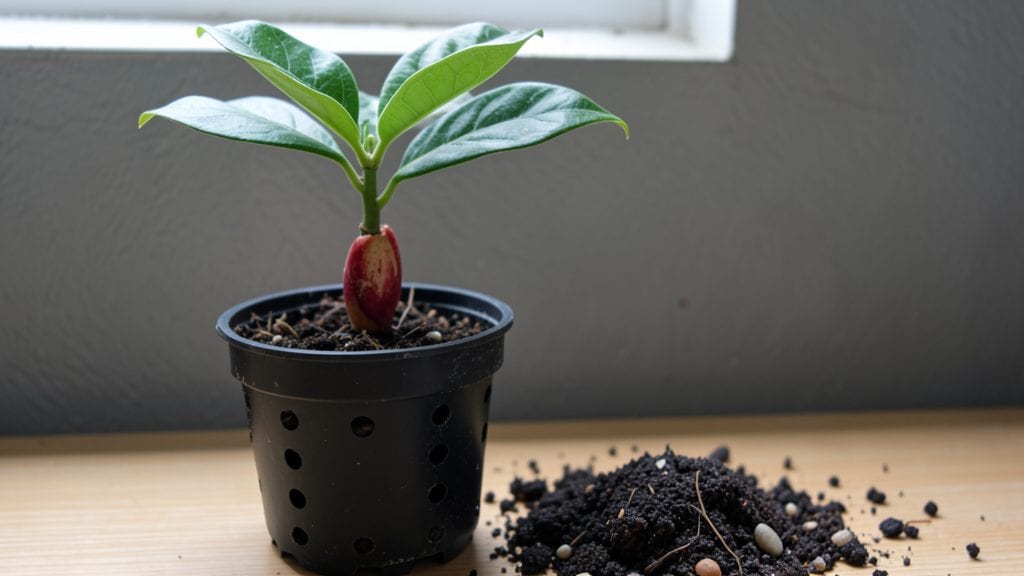
The avocado seed red turns from stubborn brown to hopeful green with this cold stratification trick. ✨ I’ve watched dozens of seeds fail before discovering how a simple fridge trick unlocks germination—no fancy equipment needed. The key? Mimicking nature’s winter chill to break dormancy and trigger roots.
Start with a fresh seed, no more than a week old, and a toothpick to hold it upright in a damp paper towel. After 2–3 weeks in the fridge, you’ll spot the first root—thin, white, and eager.
That’s your cue to plant it in well-draining soil, just 1 inch deep, and keep it warm. Within weeks, you’ll see the first leaves unfurl, vibrant and determined.
By week 8, your seedling will have a sturdy stem and glossy leaves, ready to move to a sunny window. The real magic happens over years, but those first blooms—tiny, creamy, and fragrant—arrive faster with this method. Patience pays off with a tree that could one day bear fruit.
Works for any avocado seed, from grocery store pits to heirloom varieties. The secret? Cold, light, and consistency. Let’s get those seeds growing!
The Science Behind Color Shifts
The transformation of an avocado seed from its natural brown or black hue to a striking red isn’t just visually dramatic—it’s a biological response to specific environmental cues. Understanding these triggers can help you replicate the process reliably.
Below, we break down the key factors that cause this color change, grounded in plant physiology and horticultural science.
Cold stratification is the most critical factor in inducing the red pigmentation in avocado seeds. This process mimics the natural winter dormancy period that many seeds experience in their native habitats. During stratification, the seed undergoes controlled chilling, which:
- Breaks seed dormancy: Avocado seeds often enter a dormant state to survive harsh conditions. Cold temperatures (typically between 35–45°F (2–7°C)) signal the seed to "wake up" from this dormancy, kickstarting metabolic activity.
- Stimulates anthocyanin production: The red pigment you see is anthocyanin, a type of flavonoid antioxidant. Cold exposure triggers the seed’s cells to produce more anthocyanins as a protective response to stress. Think of it like a plant’s version of "stress coloring"—a survival mechanism to shield delicate tissues from UV damage or oxidative stress.
- Regulates hormone levels: Cold stratification influences the balance of plant hormones, particularly abscisic acid (ABA) and ethylene. ABA accumulates during chilling, promoting dormancy release, while ethylene later aids in germination. This hormonal shift is directly linked to the reddening process.
Actionable tip: For best results, stratify your avocado seed in a moist paper towel or peat moss inside a sealed plastic bag in the fridge for 8–12 weeks. Avoid freezing—consistent cold (not fluctuating) is key! 🌡️
The moisture level during stratification plays a dual role: it must be just right to avoid two common pitfalls that can either prevent reddening or trigger rot.
- Underwatering (dry conditions):
- If the seed is too dry, metabolic processes slow down or halt entirely, preventing anthocyanin synthesis. The seed may remain dormant or even desiccate.
- Cold stratification relies on controlled hydration to activate enzymes that produce pigments. Without adequate moisture, these enzymes can’t function.
- Overwatering (excess moisture):
- Too much water leads to anaerobic conditions (lack of oxygen), which can cause the seed to rot or develop mold. This not only stops reddening but also kills the seed.
- Excess moisture also dilutes essential nutrients and hormones, disrupting the hormonal balance needed for pigment production.
Pro tip: Keep the seed moist but not soggy—squeeze the paper towel or moss gently; it should feel damp like a wrung-out sponge. Replenish moisture every 2–4 weeks to maintain consistency. 💡
While cold is essential, extreme or inconsistent temperatures can derail the reddening process. Here’s how:
- Too warm (>50°F/10°C):
- The seed may germinate prematurely without completing dormancy, leading to weak or stunted growth. Premature germination also reduces anthocyanin production since the seed’s energy is focused on sprouting rather than pigment synthesis.
- Warmth accelerates metabolic rates, which can deplete the seed’s energy reserves before it’s ready to bloom.
- Too cold (<32°F/0°C):
- Freezing temperatures can damage cellular structures, including the cells responsible for anthocyanin production. This may result in a seed that’s either discolored or non-viable.
- Some seeds may enter a state of deep dormancy, requiring even longer stratification periods to "wake up."
- Fluctuating temps:
- Rapid temperature changes (e.g., moving the seed in/out of the fridge) can stress the seed, triggering inconsistent pigment development. The seed may redden unevenly or not at all.
- Fluctuations also disrupt hormone production, making it harder for the seed to transition smoothly from dormancy to germination.
Actionable fix: Use a refrigerator with stable temperatures (avoid the door, where temps vary). If using a freezer, ensure it’s set to just below freezing (e.g., a frost-free freezer at 30–32°F/-1–0°C) and thaw the seed periodically to check for ice crystals. ❄️
Rushing the process is a common mistake. The red pigmentation in avocado seeds typically develops over 6–12 weeks of stratification, depending on the variety and environmental conditions. Here’s why timing matters:
- Insufficient duration:
- If you remove the seed from cold stratification too early (<4 weeks), it may not have produced enough anthocyanins. The seed could remain brown or develop only faint red tinges.
- Short stratification periods also fail to fully break dormancy, leading to poor germination rates even if the seed reddens.
- Over-stratification:
- Leaving the seed in cold conditions for longer than 16 weeks can exhaust its energy reserves. The seed may redden but then fail to germinate or produce weak sprouts.
- Prolonged cold exposure can also lead to oxidative stress, breaking down cellular components, including those responsible for pigmentation.
Golden rule: Start monitoring your seed at 8 weeks. If it’s not showing signs of reddening by 12 weeks, gently check for germination readiness (e.g., slight root emergence) before proceeding. ⏰
By controlling these four factors—cold exposure, moisture, temperature stability, and timing—you’re not just chasing a pretty red seed; you’re giving your avocado the best shot at healthy, reliable blooms. The science behind the color shift is a testament to how plants adapt and thrive under the right conditions.
Now that you know the "why," it’s time to put that knowledge into action! 🌱✨
Quick fixes for red avocado seeds
If you’ve noticed your avocado seed turning red during cold stratification—whether it’s a sign of stress, mold, or improper storage—don’t panic! With the right steps, you can revive it and still achieve those reliable blooms in 8–12 weeks.
Below are practical, step-by-step solutions tailored to the most common causes, plus prevention tips to keep your seed healthy.
Cause: Too much water or humidity in storage can trigger fungal growth, leading to that telltale red discoloration.
Fix It Fast:
- 🧼 Rinse Gently Remove the seed from its damp medium (peat moss, paper towel, or water) and rinse it under cool, running water for 30 seconds to dislodge mold spores. Use a soft toothbrush to scrub away any fuzzy growth.
- 🌡️ Dry Thoroughly Pat the seed dry with a paper towel (not fabric, which traps moisture). Let it air-dry in a well-ventilated spot for 12–24 hours. A fan on low speed can speed this up safely.
- 💊 Apply a Fungicide (Optional but Helpful) Dip the seed in a 1:10 diluted hydrogen peroxide solution (3% peroxide + water) for 10 seconds, then rinse again. This kills lingering spores. Alternative: Use a natural antifungal spray (like neem oil diluted with water) if you prefer organic methods.
- 📦 Reset the Stratification Place the seed back in its original medium (ensure it’s only slightly damp, like a wrung-out sponge). If using a bag, poke 3–4 small holes for airflow. Store it in the fridge (35–40°F) for the remaining weeks.
💡 Pro Tip:
- Monitor humidity levels—aim for 60–70% humidity in storage. Use a hygrometer if possible, or place a small uncooked rice packet in the bag to absorb excess moisture.
Cause: Extreme cold (below 35°F) or warm fridge pockets can stress the seed, causing reddening.
Fix It Fast:
- 🔄 Adjust Storage Conditions Move the seed to a more stable cold spot—ideally, the crisp drawer of your fridge (not the freezer!). Avoid doors or shelves near the fridge motor, which can get warmer.
- 🧊 Use a Buffer Layer Wrap the seed in two layers of damp paper towel, then place it in a small plastic bag with a few air holes. This helps regulate moisture and temperature swings.
- ⏰ Extend Stratification Time If reddening happened early, add 1–2 extra weeks to the cold treatment. Seeds need consistent chill to break dormancy properly.
💡 Pro Tip:
- Check weekly: Open the bag and inspect the seed. If it’s soft or mushy, it’s over-hydrated—rinse and dry again. If it’s dry and shriveled, lightly mist it with water.
Cause: Lack of oxygen or poor medium quality can weaken the seed, leading to stress responses (including reddening).
Fix It Fast:
- 🌱 Switch to a Better Medium If using a paper towel, transfer the seed to a mix of:
- 50% peat moss or coconut coir
- 50% perlite or vermiculite (for drainage) Ensure it’s moist but not soggy.
- 💨 Improve Airflow If using a sealed bag, prop it open with a toothpick or switch to a breathable container (like a small mesh produce bag).
- 🍃 Boost with Natural Fertilizer (Optional) Once you plant the seed in soil, add a weak compost tea or fish emulsion (diluted to half-strength) to the topsoil. This gives it a nutrient boost post-stratification.
💡 Pro Tip:
- Avoid tap water high in chlorine—use filtered or rainwater instead. Chlorine can stress young seeds.
- 🎯 Choose the Right Seed: Pick a plump, firm avocado seed (avoid shriveled or cracked ones).
- 🔪 Clean Before Stratifying: Scrub the seed with mild soap and water to remove any residue before storage.
- 📅 Track Progress: Mark your calendar and rotate seeds if storing multiple—check them every 2 weeks.
- 🌡️ Invest in a Thermometer: A fridge thermometer ($5–$10) ensures your seed stays in the ideal 35–40°F range.
⏳ Remember: Even if your seed turns red, it’s often not a death sentence—many seeds bounce back with proper care. Stay patient, and you’ll still get those lush blooms in 8–12 weeks! 🌿
Frequently asked questions
Why does my avocado seed turn red during cold stratification?
The red color appears due to anthocyanins, natural pigments produced as a stress response to cold exposure. This indicates the seed is breaking dormancy and preparing for germination. Think of it as nature’s way of signaling readiness!
Is a red avocado seed still viable if it’s been in the fridge for 3 months?
Possibly, but viability decreases over time. Check for root growth by placing it in water—if roots emerge within 1–2 weeks, it’s still good! If not, try a fresh seed. Patience is key, but don’t wait too long.
Can I speed up the reddening process by using warmer temperatures?
No, warmer temps (above 50°F) can trigger premature germination or prevent reddening. Cold stratification (35–45°F) is essential for both pigment development and dormancy breaking. Rushing risks weak growth or failure.
What if my avocado seed turns red but won’t germinate?
Reddening doesn’t guarantee germination—some seeds need extra time. Try soaking the seed in warm water for 24 hours, then plant it in moist soil. If no sprouts appear in 4–6 weeks, the seed may be non-viable.
Does seed color affect the future avocado tree’s fruit quality?
Not at all! The red pigment is just a sign of dormancy breaking—it doesn’t impact flavor, size, or fruit quality. Focus on proper care after germination for a healthy tree. The real magic happens years later with blooms and fruit!