
How To
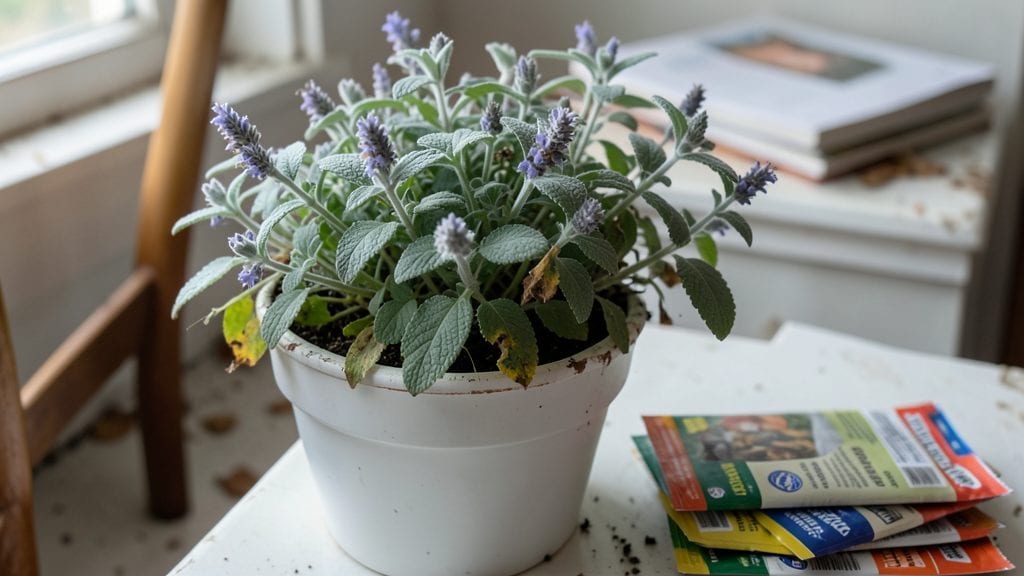
To find the best website to buy seeds, prioritize Baker Creek Heirloom Seeds for unique varieties, Burpee for reliable hybrids, and Seed Savers Exchange for certified organic options with high germination rates and detailed reviews. Always cross-check organic certifications and shipping timelines for optimal freshness.
When choosing where to buy seeds, your goals matter most—whether you're after rare heirlooms, high-yield hybrids, or certified organic options. 🌱 Baker Creek stands out for its extensive catalog of uncommon varieties, while Burpee delivers consistent performance for gardeners focused on productivity.
Seed Savers Exchange earns its reputation through rigorous organic standards and community-driven seed preservation efforts, making it ideal for sustainability-focused growers. I always recommend starting with these three to match your specific needs, then exploring their loyalty programs for discounts and exclusive varieties.
Beyond the top three, consider your region's climate and seed availability. Some specialty sellers like Territorial Seed offer bulk organic options perfect for large-scale planting, while smaller vendors may provide niche varieties not found elsewhere.
The key is aligning your purchase with both your gardening goals and the seller's strengths—whether that's seed saving expertise, hybrid innovation, or organic certification.
💡 In This Article
- How to Verify Organic Seed Certifications and Quality
- Top Seed Websites for Specialty Needs: Heirlooms vs Hybrids vs Rare Varieties
How to verify organic seed certifications and quality
Organic seed certifications aren't just marketing—they ensure your seeds meet strict agricultural standards that prohibit synthetic pesticides, GMOs, and sewage sludge. The USDA Organic label guarantees seeds were grown without prohibited substances, while OMRI Listed seeds are approved for organic farming by the Organic Materials Review Institute.
These certifications require annual inspections, soil testing, and documentation, so a genuine label means the seeds have passed rigorous third-party verification—not just a seller's word. 🌱
Here's what to look for: Certified organic seeds should display the USDA Organic seal or OMRI logo, along with a certification number (like "ORGANIC 12345"). Check the packaging date—seeds lose viability over time, with most maintaining 80-90% germination for 1-2 years, dropping to 50-70% after 3 years.
Reputable sellers like Seed Savers Exchange list germination rates on their product pages, while budget brands often omit this critical detail. The science is clear: older seeds require more water to germinate, and their sprouts may be weaker, making certification dates just as important as the organic label.
Red flags include vague claims like "eco-friendly" or "naturally grown" without proper certification. Some sellers use terms like "non-GMO" without organic certification—this only means the seeds weren't genetically modified, not that they were grown organically.
Always cross-reference with the USDA Organic Database or OMRI's search tool to verify if a seed company's certification is legitimate. I've seen cases where small sellers list "organic" seeds that were actually tested positive for synthetic residues when submitted to independent labs—this happens when they cut corners on soil testing.
Third-party lab testing is the gold standard, but it's not always transparent. Look for sellers that publish germination test results from accredited labs (like AOSA or ISTA). These tests involve planting a sample of seeds and measuring sprout success rates—something a seller can't fake without actual testing.
For example, Baker Creek Heirloom Seeds provides germination percentages for each variety, while many discount seed retailers don't. This transparency directly impacts your garden's success rate, especially in dry climates where weak seeds struggle to establish.
Another critical factor is seed source traceability. Organic certifications require documentation of the entire growing process, from seed origin to harvest. Ask sellers for details about their seed suppliers—were the seeds grown in certified organic fields, or were they "converted" from conventional farming?
True organic seeds come from multi-year organic soil systems, not just a single year's transition. This matters because conventional seeds can carry residual pesticides that take years to fully leach from the soil, even if the current crop is labeled organic.
When in doubt, start with sellers that offer seed viability guarantees. Some reputable companies will replace seeds if germination falls below their stated percentage. This isn't just good customer service—it's a practical way to verify their testing standards.
For example, Territorial Seed Company offers a 90% germination guarantee on their organic seeds, backed by lab reports. Compare this to generic seed packets that might promise "organic" without any recourse if the seeds fail to grow. The difference comes down to accountability in the supply chain.
Pro tip: Join gardening forums or Facebook groups dedicated to organic seed saving. Members often share firsthand experiences with specific seed companies' germination rates and certification practices.
I've learned from these communities that some "organic" seeds from overseas sellers arrive with mold or poor viability due to improper storage during shipping—something you won't catch from a quick website review. Always prioritize sellers with domestic warehouses and clear storage conditions listed on their site. 💫