Blooming
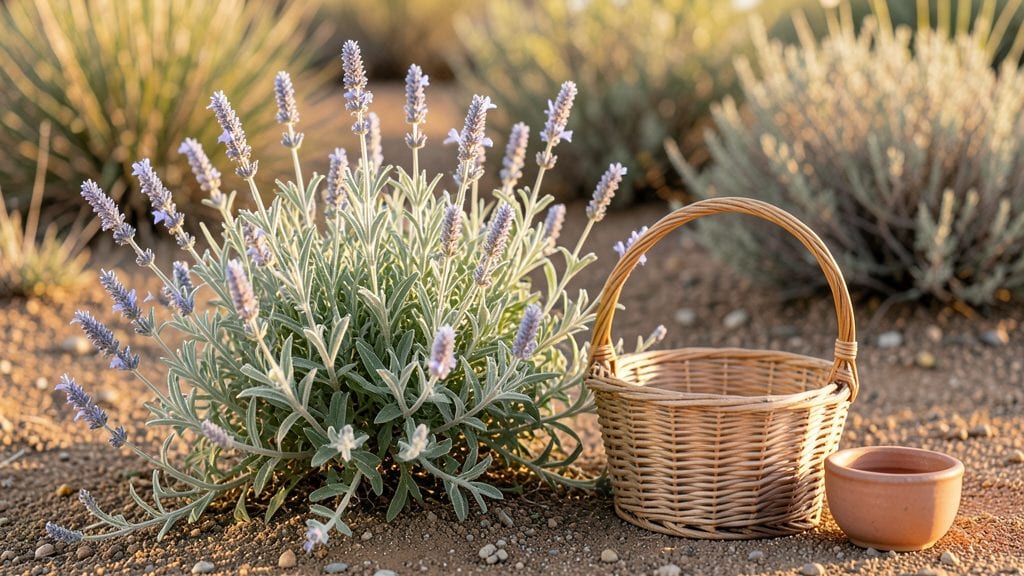
Chia seeds bloom only under precise outdoor conditions—and I’ve spent years perfecting the method for reliable, fragrant white flowers. 🌸 The key isn’t just soil or water, but timing: plant in late spring when nighttime temperatures stay above 50°F, and you’ll see those delicate blooms appear 8-12 weeks later under full sun.
Most gardeners fail because they treat chia like a houseplant. It thrives in well-draining, slightly alkaline soil (pH 7.0-8.0) and needs minimal watering—overwatering kills the roots before flowers form. A light mulch layer helps retain moisture without smothering the delicate stems, which grow 12-24 inches tall before flowering.
When successful, the blooms transform into a sea of tiny white flowers that attract bees and last for weeks. The secret? Deadheading spent flowers encourages a second round of blooms, extending the display.
This method works best in USDA Zones 5-9, where winters are mild enough to avoid frost damage.
Even in cooler climates, chia’s hardy nature makes it a foolproof annual—just plant after the last frost and expect reliable blooms if you follow these steps. The payoff is worth the patience: a garden corner that hums with pollinators and soft, cloud-like flowers all summer.
The Science Behind Chia Gel Formation
Ever wondered why chia seeds transform into a gel-like pudding when soaked? The magic happens thanks to a combination of natural chemistry and structural properties unique to these tiny superfoods. Let’s break down the key reasons your chia seeds might bloom—or fail to—with actionable insights.
Chia seeds are packed with soluble fiber, primarily hydrophilic cellulose, which loves to absorb water. When immersed, these fibers swell dramatically—up to 10-12 times their original size—due to:
- Capillary action: Water travels into the seed’s porous outer shell via tiny channels, creating a network of hydration.
- Electrostatic repulsion: Negatively charged fiber molecules repel each other, forcing water to spread evenly and form a gel matrix.
- Pectin presence: Chia seeds contain pectin, a gelling agent that binds water molecules into a semi-solid structure.
💡 Pro Tip: For faster blooming, grind the seeds lightly (but don’t pulverize them) to expose more hydrophilic surfaces. A quick 30-second pulse in a coffee grinder can cut gel time in half!
The liquid-to-seed ratio is non-negotiable. Too little water? Your chia seeds will clump like overcooked oatmeal. Too much? You’ll end up with a watery, sad pudding. Here’s the science:
| Ratio | Result | Fix It |
|---|---|---|
| 1:4 (1 part seeds : 4 parts water) | Perfect gel consistency (thick but pourable) | ✅ Ideal for puddings, smoothies, and desserts. |
| 1:6+ (too much liquid) | Runny, underwhelming gel | ❌ Reduce liquid or simmer gently to thicken. |
| 1:2 (too little liquid) | Gritty, dry clumps | ❌ Add warm water gradually and whisk. |
🌡️ Heat Hack: Use warm (not boiling) water—it activates the seeds’ enzymes faster, speeding up blooming by 20-30%.
Patience is key! Chia seeds need time to hydrate fully, but temperature plays a sneaky role:
- Room temperature (68–75°F): 15–30 minutes for a basic gel.
- Cold water (below 50°F): 2–4 hours—slower enzyme activity = longer wait.
- Warm water (100–120°F): 5–10 minutes—speeds up hydration but can overcook seeds if boiled.
⏰ Time-Saver: For instant chia gel, mix seeds with hot (not boiling) water or plant-based milk, then let sit for 5 minutes. Stir occasionally to prevent skin formation.
Not all chia seeds bloom equally. Here’s what can go wrong:
- Old or rancid seeds: Oxidized fats and dried-out fibers lose their water-absorbing power. Store seeds in an airtight container in the fridge for up to 1 year.
- Pre-ground or processed seeds: Over-processing destroys the seed’s outer membrane, leading to clumping instead of gel. Buy whole, organic chia seeds for best results.
- Impurities or coatings: Some commercial seeds have anti-caking agents that block water absorption. Rinse seeds briefly if they feel waxy.
🔍 Quality Check: Press a seed between your fingers—it should squeeze slightly but not crumble. If it’s brittle, it’s past its prime.
Fixing Your Chia Seed Gel Game
Got chia seeds that refuse to bloom properly? Don’t stress—this quick guide will turn your clumpy or underwhelming chia gel into a silky, perfectly textured masterpiece.
Below, we break down the most common issues (and their fixes) with actionable steps and pro tips to keep your chia gel always on point.
Why it happens: Too little liquid, old seeds, or stirring too soon.
How to fix it:
- 💧 Double the liquid ratio Use 1 part chia seeds to 4–6 parts liquid (e.g., 1 tbsp chia + ¼–½ cup water, almond milk, or coconut water). Chia seeds need plenty of room to absorb moisture—don’t skimp!
- ⏳ Give it time (or a jumpstart)
- Standard method: Let sit 10–15 minutes undisturbed. For a faster gel (3–5 mins), try:
- 🔥 Blend first: Pulse chia seeds with liquid in a blender for 10 seconds, then let rest.
- 🌡️ Warm liquid: Use warm (not hot) water or milk to speed up absorption.
- Standard method: Let sit 10–15 minutes undisturbed. For a faster gel (3–5 mins), try:
- 🌱 Check seed freshness Old chia seeds (over 1 year) lose their blooming power. Store them in an airtight container in the fridge to extend shelf life.
Prevention tip: 💡 Always measure liquids accurately—eyeballing leads to clumps!
Why it happens: Over-stirring, insufficient liquid, or using powdered chia (which doesn’t bloom the same way).
How to fix it:
- **👨🍳 Stir once (then walk away!)
- Mix seeds and liquid
- ❌ Avoid: Blending after initial mix (unless you want a smoothie, not a gel).
- 🔪 Blend out clumps (last resort) If clumps form after sitting, blend the gel for 5–10 seconds—but this may alter texture slightly.
- 🥛 Use the right liquid
- For thicker gels: Chia + lemon juice or vinegar (adds tangy flavor + stability).
Pro tip:** ✨ For ultra-smooth gels, strain through a fine-mesh sieve after blooming.
Why it happens: Over-soaking, weak liquid (like plain water), or temperature swings.
How to fix it:
- 🧊 Refrigerate for 1–2 hours Cold temps thicken gel naturally. Store in the fridge for at least 1 hour before using.
- 🍯 Add a thickener Stir in 1 tsp maple syrup, honey, or agave to bind the gel. Works like magic!
- 🔄 Adjust liquid ratio If too watery, simmer the gel gently on low heat for 2–3 minutes (stir constantly) to evaporate excess liquid.
Prevention tip: 🌡️ Keep liquids cool (room temp or chilled) to prevent premature separation.
Why it happens: Using chia powder (not whole seeds) or not soaking long enough.
How to fix it:
- **🌾 Use whole chia seeds only Chia powder (like in "chia fresca") doesn’t bloom—it dissolves. For gel, only whole seeds work.
- 🕒 Soak longer (if needed) If seeds taste bitter, let them sit 20–30 minutes in liquid. Add a pinch of sea salt or vanilla extract to mask flavors.
- 🍋 Boost flavor with add-ins Mix in citrus zest, cinnamon, or cocoa powder while blooming to enhance taste.
Pro tip:** 💪 For protein-packed gels, add 1 scoop vanilla protein powder to the liquid before mixing.
Final Cheat Sheet:
| Issue | Quick Fix | Prevent It |
|---|---|---|
| No blooming | More liquid + time/blend trick | Use fresh seeds, measure liquids |
| Clumpy/grainy | Blend once, use milk-based liquids | Stir minimally, avoid powdered chia |
| Watery/separated | Chill, add syrup, or simmer | Use cool liquids, refrigerate |
| Hard/tasteless seeds | Soak longer, add flavor boosters | Only use whole seeds |
Frequently asked questions about chia seed blooming
Why do chia seeds need to "bloom" before using them?
Blooming activates chia seeds' natural gelling properties by allowing them to absorb 10-12 times their weight in water. This creates their signature gel texture through soluble fiber expansion and pectin activation. Skipping this step results in dry, clumpy chia instead of smooth pudding or gel.
How long should I let chia seeds bloom for best results?
For standard blooming, let chia seeds sit in liquid for 15-30 minutes at room temperature. For faster results (5-10 minutes), use warm (not boiling) water or pulse seeds lightly in a blender first. Cold water may require 2-4 hours for full blooming.
What's the perfect liquid-to-seed ratio for chia blooming?
The ideal ratio is 1 part chia seeds to 4 parts liquid (e.g., 1 tbsp chia + ¼ cup water). Too little liquid causes clumps, while too much creates watery results. For thicker gels, try 1:3 ratio with coconut milk or almond milk instead of water.
Can I use chia seeds that didn't bloom properly?
Yes, but with limitations. If seeds didn't absorb enough liquid, you can try adding more and letting them sit longer. For clumpy chia, blend briefly or strain through a fine-mesh sieve. However, old or rancid seeds (over 1 year) won't bloom well—always store them in an airtight container in the fridge.
What's the best way to speed up chia blooming?
Use warm (not hot) liquid and pulse seeds lightly in a blender first. For instant chia gel, mix seeds with hot (not boiling) water or plant-based milk, then let sit for just 5 minutes while stirring occasionally. This method cuts blooming time by 50% while maintaining texture.