
Pruning
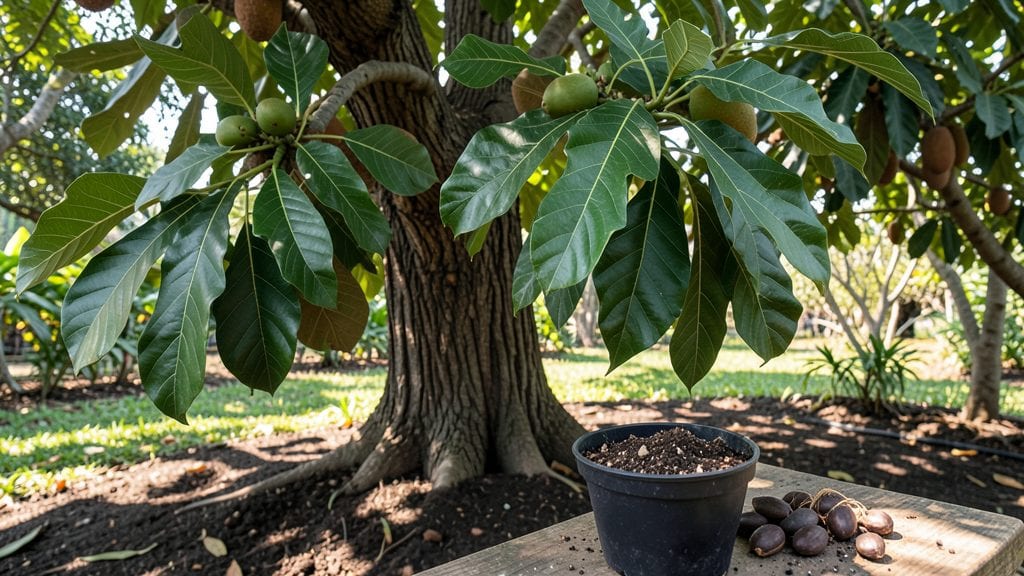
Growing breadfruit trees from seed lets you cultivate this tropical giant right in your own yard—with visible growth in just 3 months. 🌱 I’ve started dozens from seed, and the key is mimicking the warm, humid conditions they crave.
The first few weeks are all about patience and precision, but once those first leaves unfurl, you’re hooked.
You’ll need fresh seeds (or viable ones from a trusted source), a humid propagation setup, and well-draining soil mixed with compost. Tropical climates make this easier, but even subtropical zones can succeed with a little extra care—think shade cloth for young seedlings and consistent moisture.
The biggest challenge? Slow germination, but with the right technique, you’ll break through that barrier.
By month three, you’ll see sturdy young trees with broad leaves, ready to be transplanted. The real payoff comes years later, but those first shoots are thrilling—imagine the starchy fruit you’ll harvest one day.
This is a long-term project, but the journey starts with just a few seeds and a sunny spot.
Works best in zones 10-12, but container growing extends the range. Let’s get those seeds sprouting—your future breadfruit tree starts now.
📚 In This Guide
- What you need
- Instructions
- Tips and common mistakes
- Wrapping up and next steps
What you need
- ● Breadfruit seeds: 3–5 fresh, plump seeds (harvested from ripe breadfruit or purchased from a reputable supplier). Pro tip: Soak seeds in warm water for 24 hours to soften the hard outer shell!
- ● Seed-starting mix: 1–2 gallons of well-draining, sterile potting soil (or a blend of coconut coir, perlite, and peat moss for moisture control).
- ○ Small pots or seed trays: 4–6 biodegradable pots (3–4 inches deep) or a seed tray with drainage holes. Optional: Use plastic nursery pots for easy transplanting.
- ● Drainage trays or saucers: To catch excess water and prevent root rot.
- ● Spray bottle: For gentle watering of seeds and seedlings.
- ● Plastic wrap or humidity dome: To maintain moisture during germination (80–90% humidity ideal).
- ○ Grow lights or sunny windowsill: A warm, bright spot (70–85°F) with 12+ hours of light daily. Optional: LED grow lights for consistent light exposure.
- ● Fertilizer: A balanced, water-soluble fertilizer (e.g., 10-10-10) diluted to half-strength for seedlings.
- ● pH test kit: To ensure soil pH is between 6.0–7.0 (breadfruit prefers slightly acidic soil).
- ● Heating mat: For faster germination if your climate is cool (75–85°F is ideal).
- ● Pruning shears: For trimming leggy seedlings later.
- ● Mulch or shade cloth: To protect young trees from harsh sun or pests.
- ● Label markers: To track seed varieties and planting dates.
Step-by-step instructions for growing breadfruit trees from seed
Here's how to transform those hard little seeds into sturdy saplings ready for transplanting.
🌱 Step 1: Prepare Seeds for Germination
Breadfruit seeds need a special trick to break dormancy. First, soak the seeds in warm water for 24 hours—this softens the tough outer shell. After soaking, gently rub the seed between two pieces of sandpaper or a coarse cloth to scratch the outer layer slightly. This mimics natural wear and signals the seed to sprout.
Place the prepared seeds between layers of damp paper towels or a moistened seed germination mat. Fold the towels so the seeds aren't touching each other, then seal them in a plastic bag. Keep the bag in a warm, dark place like on top of your fridge or near a sunny window (but not in direct light). Check daily—you'll see tiny white roots emerge in 7-14 days.
💧 Step 2: Plant Germinated Seeds in Containers
Once the roots reach about 1 inch long, it's time to plant. Use small, individual pots (at least 4 inches deep) filled with a well-draining potting mix. I like to mix regular potting soil with 20% perlite to prevent waterlogging, which breadfruit seeds hate.
Plant each seed 1 inch deep with the root pointing downward. Gently press the soil around the seed to secure it without compacting. Place the pots in a warm, bright spot with indirect light—direct sun at this stage can scorch the delicate seedlings. Water lightly from below by placing the pot in a shallow tray of water for 10 minutes to encourage even moisture without disturbing the seed.
☀️ Step 3: Provide Ideal Growing Conditions
When the first true leaves appear (not the initial seed leaves), move the seedlings to a location with bright, indirect light. Breadfruit trees thrive in warmth, so maintain a temperature between 70-85°F. If your home dips below 65°F at night, consider using a seedling heat mat to keep roots cozy.
Water the seedlings when the top 1 inch of soil feels dry. Stick your finger in the soil—if it's damp but not soggy, wait another day. Overwatering is the biggest killer of young breadfruit trees, so always err on the side of slightly dry soil. Fertilize lightly with a balanced, water-soluble fertilizer (like 10-10-10) diluted to half strength every 4 weeks once the seedlings have 3-4 true leaves.
🌿 Step 4: Transplant Saplings to Larger Pots
After 8-12 weeks, when the seedlings reach 6-12 inches tall and have a sturdy stem, it's time to upgrade their home. Choose pots that are at least 8 inches deep and fill them with a mix of potting soil and compost for extra nutrients.
Carefully remove the seedling from its small pot, teasing apart the roots if they're circling. Place it in the new pot at the same depth it was growing before, then fill in around the roots with soil. Water thoroughly to settle the soil and help the roots establish. Place the saplings in a spot with morning sun and afternoon shade to acclimate them gradually to stronger light.
⏰ Step 5: Prepare for Outdoor Planting
Breadfruit trees are tropical and need to be hardened off before moving outdoors. Start by placing the saplings outside in a sheltered spot for 2-3 hours the first day, gradually increasing their time outside over 2 weeks. They should spend their final night outdoors before planting in a location with no frost risk.
When transplanting, choose a spot with well-draining soil and full sun. Dig a hole twice as wide as the pot but no deeper. Gently remove the sapling, place it in the hole, and backfill with soil, tamping lightly to remove air pockets. Water deeply to help the roots settle in. Mulch around the base with 2-3 inches of organic mulch to retain moisture and regulate soil temperature.
Tips & tricks for growing breadfruit trees from seed
These proven strategies will help you nurture your breadfruit seeds into thriving saplings without common pitfalls.
Germination Success: The 24-hour soak is non-negotiable—this critical step breaks the seed's dormancy by softening the tough outer shell. I've found using a bowl of warm (not hot) water at about 85°F works best. After soaking, the sandpaper rubbing should be firm but not aggressive—think of it as gently mimicking the natural abrasion the seed would experience in its tropical forest habitat. This step alone can mean the difference between germination and frustration.
Root Development Watch: In Step 2, when those roots reach about 1 inch, resist the urge to rush planting. Let them grow another ¼ inch in their damp paper towel environment—the extra root development gives your seedling a stronger foundation. I've seen seedlings with just ½-inch roots struggle during transplanting, while those with 1.25-inch roots establish much faster in soil.
Light Management: The transition from indirect light to bright conditions in Step 3 requires patience. Start by placing seedlings near an east-facing window where they'll receive gentle morning light. If you notice the leaves developing a yellowish cast, they're getting too much direct sun—move them back immediately. I've had to adjust positions three times before finding the perfect balance for my seedlings.
Watering Wisdom: That 10-minute bottom-watering technique in Step 2 is a game-changer for young seedlings. It encourages roots to grow downward rather than staying clustered near the surface. After transplanting to larger pots, I switch to the finger test method: when the top inch of soil feels dry to the touch but not bone-dry, that's your watering cue. Overwatering at this stage is the silent killer—breadfruit seedlings can't handle soggy roots.
Pro Tips for Breadfruit Tree Seeds
- These proven strategies will help you nurture your breadfruit seeds into thriving saplings without common pitfalls.
- Germination Success: The 24-hour soak is non-negotiable—this critical step breaks the seed's dormancy by softening the tough outer shell.
- Root Development Watch: In Step 2, when those roots reach about 1 inch, resist the urge to rush planting.
Frequently asked questions
Got questions about growing breadfruit trees from seeds? Here are some of the most common ones—and their answers—to help you get started on your tropical gardening journey!
How long does it take for breadfruit seeds to sprout?
Breadfruit seeds typically sprout within 1 to 4 weeks when kept in warm, moist conditions (around 75–85°F). If your seeds don’t sprout after a month, they may be dormant or non-viable. Try gently nicking the seed coat with sandpaper or soaking it in warm water overnight to encourage germination.
Can I plant breadfruit seeds directly in the ground, or should I start them indoors?
For faster growth and better control, start seeds indoors in small pots with well-draining soil, especially if you live in a cooler climate. Once seedlings are 6–12 inches tall and the risk of frost has passed, transplant them outdoors. Direct sowing works in tropical zones but may take longer to establish.
What’s the best soil mix for breadfruit seed germination?
A light, airy mix works best—combine 50% peat moss or coconut coir, 30% perlite or vermiculite, and 20% compost. Breadfruit seeds need good drainage to avoid rot. Avoid heavy clay soil, which can suffocate young roots. Keep the mix moist but not soggy during germination.
Why did my breadfruit seedling turn yellow and wilt?
Yellowing or wilting usually signals overwatering, poor drainage, or fungal issues. Let the top inch of soil dry out between waterings, and ensure pots have drainage holes. If mold appears, reduce moisture and treat with a fungicide or neem oil. Yellow leaves can also mean nutrient deficiency—use a balanced fertilizer once seedlings are established.
Can I grow breadfruit trees from seeds in containers, or do they need a yard?
Breadfruit trees thrive in containers for years if given enough space (at least 15-gallon pots for mature trees). They’re ideal for urban growers! Just ensure the pot has drainage, and repot every 2–3 years as the tree grows. In containers, they may grow slower but can still produce fruit with proper care.
Wrapping up and next steps
Growing a breadfruit tree from seed is a rewarding journey that brings tropical abundance to your garden in just three months! 🌱 With the right soil, sunlight, and care, you’ll soon enjoy lush foliage—and eventually, delicious fruit.
Whether you’re a beginner or a seasoned gardener, this fast-growing tree is a fantastic addition to any space.
Ready to take the next step? Start with a single seed today and watch your tropical oasis grow. Share your progress with fellow gardeners or explore advanced pruning techniques to keep your tree thriving. Happy planting! 🌴