
Flowers
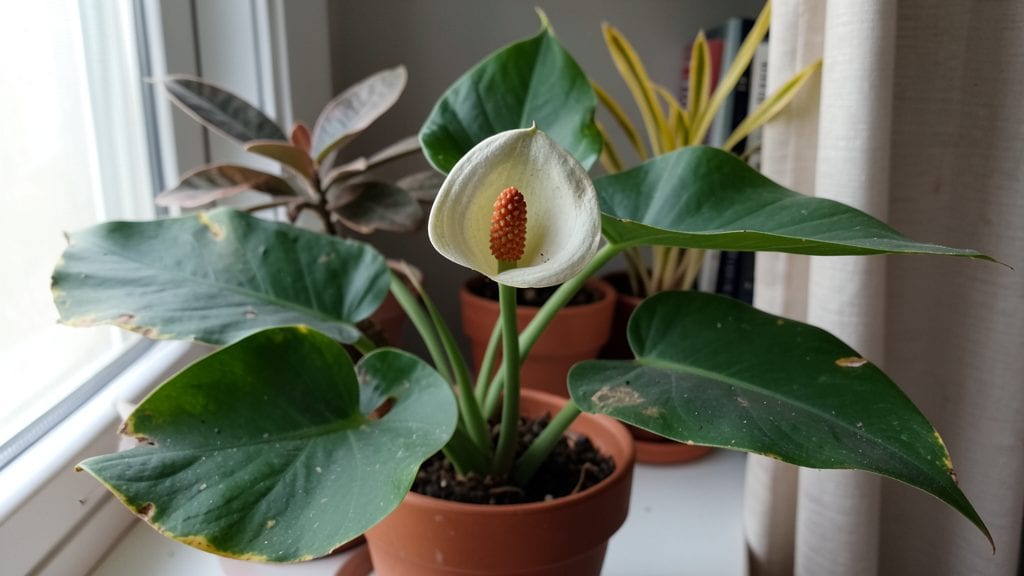
The seeds inside a calla lily flower are sterile because these plants are typically hybrid cultivars developed for showy blooms rather than seed production. For growing new plants, use rhizomes or bulbs instead of seeds.
Most calla lilies you see in gardens or stores are sterile hybrids—meaning they can't produce viable seeds because their breeding focuses on color, shape, and longevity rather than reproductive success. 🌸 The flower's seed pods you might spot are often empty or contain non-viable seeds, making them useless for propagation.
Instead, gardeners rely on the plant's underground rhizomes, which store energy and can easily be divided to create new plants. This method guarantees you'll get the same variety you love, without the disappointment of waiting for seeds that won't grow.
If you're new to growing calla lilies, the good news is that rhizome division is one of the simplest propagation methods for beginners. The best time to divide them is in early spring, right before new growth begins.
Just dig up the rhizome, separate the sections, and replant them in well-draining soil with plenty of organic matter. With proper care, you'll have a thriving patch of calla lilies in no time!
💡 In This Article
- Why Calla Lily Flowers Lack Viable Seeds
- Propagating Calla Lilies from Rhizomes and Bulbs
Why calla lily flowers lack viable seeds
The sterility of calla lily seeds stems from their breeding history as ornamental hybrids. Most commercial varieties, like the popular Zantedeschia aethiopica (common calla lily), are created through controlled cross-pollination to enhance traits such as bloom size, color intensity, and disease resistance.
These hybrids often produce triploid chromosomes (three sets instead of two), making them sterile—similar to how seedless watermelons are bred. 🌿 The energy that would normally go into seed production is instead directed toward larger, showier flowers.
Even when seed pods form, they're typically empty or contain non-viable seeds because the plant lacks the genetic diversity needed for successful reproduction. Wild calla lily species, like Zantedeschia rehmannii, can produce fertile seeds, but these varieties are rarely found in nurseries.
The 1-2 inch seed pods you might see on store-bought plants are often just decorative remnants with no reproductive function. This explains why gardeners never see calla lily seedlings growing spontaneously in landscapes.
Nature has a backup plan for these sterile plants: their rhizomes. These thick, horizontal underground stems store nutrients and can regenerate entire plants when divided. Unlike seeds, rhizomes guarantee genetic consistency—you'll get the exact same variety you planted.
This is why professional growers and home gardeners rely on rhizome propagation rather than trying to grow from seeds. The rhizome's fleshy texture and fibrous roots make it perfectly adapted for this role.
Here's how this compares to fertile plants: While sterile calla lilies focus all their energy on above-ground beauty, their fertile cousins invest in both flowers and seeds. For example, Zantedeschia elliottiana (wild calla) produces 10-20 viable seeds per pod that can germinate under ideal conditions.
The trade-off? These wild varieties often have smaller, less vibrant blooms. This botanical trade-off explains why gardeners choose sterile hybrids for their show-stopping displays.
The lack of viable seeds also affects how calla lilies spread in nature. Without seeds, they rely entirely on rhizome division or human intervention to propagate. This makes them less invasive than seed-producing plants but requires more intentional care from gardeners.
The 1-3 inch segments of rhizome you'd use for propagation each contain enough stored energy to grow into a full plant within 6-8 weeks under proper conditions.
What most people don't realize is that even when calla lilies do produce seed pods, the seeds inside are often genetically unstable. This means any seedlings that do grow would likely be weaker or have unpredictable traits—making them unsuitable for garden use.
The 5-10% germination rate of these seeds (when viable) is far lower than the 90%+ success rate you get from properly divided rhizomes.