
Featured
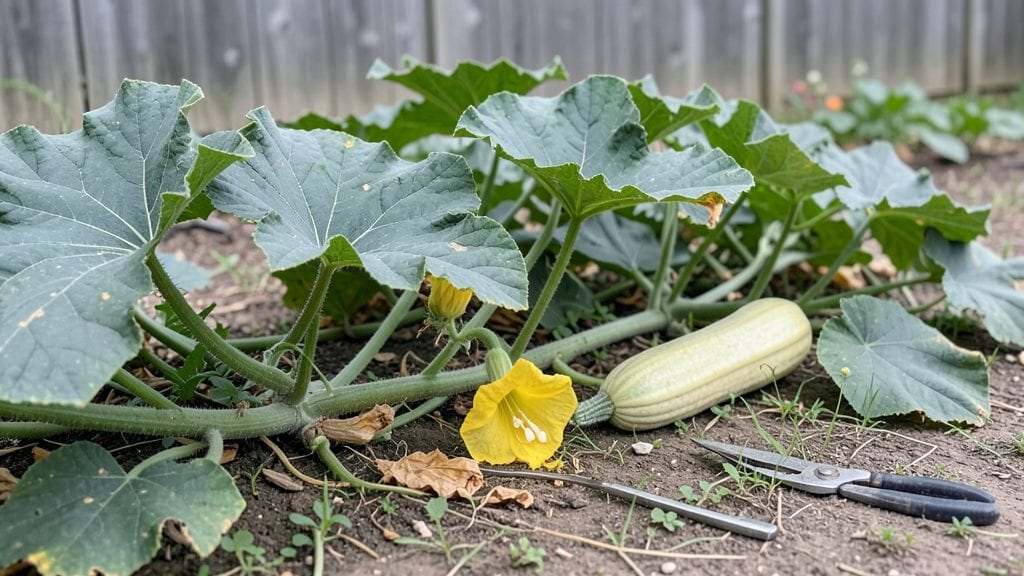
Chickens can eat spaghetti squash seeds in moderation, as they’re non-toxic and provide fiber, but avoid feeding large quantities due to potential digestive upset or choking hazards for small chicks. Always serve seeds raw and whole, never cooked or seasoned.
Spaghetti squash seeds offer chickens a nutritious snack packed with fiber and healthy fats, but their size and hardness mean they should be treated as an occasional treat rather than a staple. 💫 Unlike cooked seeds, which can become slippery and pose choking risks, raw seeds maintain their structure while providing digestive benefits.
I always introduce new foods gradually to monitor my flock's reaction—starting with just a few seeds helps identify any sensitivities before offering larger portions.
For adult hens, a small handful of seeds every few days is plenty, while chicks should avoid them entirely due to their delicate digestive systems. The key is balance: while these seeds aren't toxic, their high fiber content can cause discomfort if overfed.
Think of them as nature's multivitamin—great in moderation but not meant to replace balanced poultry feed.
💡 In This Article
- Nutritional Value of Spaghetti Squash Seeds for Chickens
- Safe Feeding Practices for Chickens with Squash Seeds
Nutritional value of spaghetti squash seeds for chickens
Spaghetti squash seeds pack a surprising nutritional punch for chickens, offering a mix of dietary fiber (about 25% of their dry weight), healthy unsaturated fats (around 12% by weight), and small amounts of essential vitamins like vitamin K and magnesium.
The fiber content—approximately 1.5 grams per tablespoon of seeds—helps regulate digestion by promoting gut motility, similar to how pumpkin seeds benefit poultry. This makes them a natural prebiotic, supporting beneficial gut bacteria that chickens need for optimal nutrient absorption.
The seed's fat profile is particularly interesting—about 60% of their fat content is oleic acid, the same heart-healthy monounsaturated fat found in olive oil. For chickens, this means a boost in energy without the inflammatory risks of saturated fats.
Compared to sunflower seeds (which contain about 50% polyunsaturated fats), spaghetti squash seeds offer a more balanced fatty acid profile. The magnesium content (around 30mg per tablespoon) also supports muscle function and calcium metabolism, which is crucial for egg-laying hens.
What sets these seeds apart is their low phosphorus-to-calcium ratio (about 1:2), making them safer than many other seeds for long-term feeding. Chickens require calcium for strong eggshells, and the natural balance in spaghetti squash seeds prevents mineral imbalances that can occur with phosphorus-heavy treats like almonds.
The seeds' firm texture also means they don't break down too quickly in the gizzard, allowing chickens to extract maximum nutrients before digestion.
However, the real star of the nutritional show is the cellulose-rich outer shell, which acts like a natural scrubber in the digestive tract. This is why chickens often peck at seeds repeatedly—they're not just eating the seed itself but also getting a gentle "scrub" of their digestive system.
Think of it like nature's fiber supplement, but with the added benefit of being a whole food rather than processed bran or pellets.
For comparison, here's how spaghetti squash seeds stack up against other safe seed options chickens can enjoy:
- Pumpkin seeds: Higher in zinc (2.2mg per tbsp) but with more saturated fat (18% of total fat)
- Sunflower seeds: Richer in vitamin E (9mg per tbsp) but with more polyunsaturated fats that can oxidize faster
- Spaghetti squash seeds: Best balance of fiber (25% dry weight), monounsaturated fats, and low mineral imbalance risk
The key to maximizing these benefits is serving the seeds raw and whole. Cooking destroys some fat-soluble vitamins and can make the seeds too soft, reducing their digestive benefits.
When offered as part of a varied diet, these seeds become a powerhouse treat that supports both digestion and overall flock health without the pitfalls of more processed seed options.
What most backyard chicken keepers don't realize is how these seeds act as a natural detoxifier too. The fiber binds to toxins in the digestive tract, helping chickens eliminate waste more efficiently.
It's one of those "hidden benefits" that makes spaghetti squash seeds more than just a safe snack—they're a functional food for poultry! 💫