
Featured
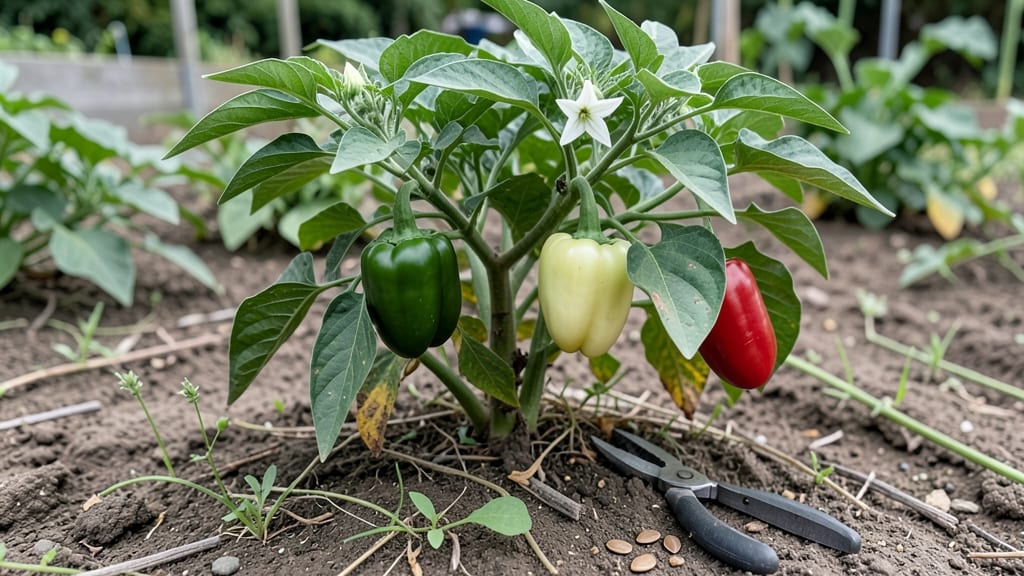
Can dogs eat bell pepper seeds? Yes, in small amounts as they’re non-toxic, but they may cause mild stomach upset or digestive discomfort. Remove seeds entirely if your dog has a sensitive stomach or allergies to nightshades like tomatoes or potatoes.
Bell pepper seeds are generally safe because they contain very low levels of solanine, the compound that makes some nightshades toxic. 🔥 However, the seeds' small size can be tricky for dogs to digest, especially if they're eaten in large quantities.
I always recommend cutting peppers into tiny pieces or mashing them to make them easier on your pup's stomach. For dogs with sensitive digestive systems, it's best to stick to seedless peppers or offer safer alternatives like steamed carrots or cucumber slices.
What's interesting is that while the seeds themselves aren't dangerous, the stems and leaves of bell peppers contain higher concentrations of solanine. This is why it's crucial to only feed your dog the actual pepper flesh and never any other parts of the plant.
If you're unsure about your dog's tolerance, start with just a tiny piece of pepper and watch for any adverse reactions.
💡 In This Article
- Bell Pepper Seed Toxicity: Vet-Approved Safety Breakdown
- Safe Dog-Friendly Pepper Alternatives for Snacks
Bell pepper seed toxicity: vet-approved safety breakdown
Here's what's actually happening with those tiny seeds: bell pepper seeds contain negligible amounts of solanine, the compound that makes nightshades like tomatoes potentially dangerous. 🔥 While tomato seeds can harbor higher concentrations (around 0.001% of the fruit's weight), bell pepper seeds have been measured at 0.0001% or less—so low it's practically undetectable.
This ultra-low concentration means the seeds won't trigger the same toxic effects in dogs, even if ingested accidentally. The key factor is that bell peppers are cultivated specifically for their edible flesh, not their seeds, which explains why nature made them so safe.
The size of bell pepper seeds (typically 2-3mm in diameter) creates the real concern—not toxicity, but digestion. A dog's stomach needs to process these hard, fibrous seeds, which can cause mild irritation or blockages in small breeds or pups.
Imagine trying to digest a handful of popcorn kernels—similar texture, similar digestive challenge. 💫 The good news is that a single seed or two won't cause issues, but a tablespoon of seeds (about 50-70 seeds) could lead to vomiting or diarrhea in sensitive dogs.
This is why vets recommend removing seeds entirely when feeding peppers to pets.
When do seeds become risky? Only in two scenarios: fermentation or mold. Fermented seeds (like those in homemade pepper sauces) develop higher concentrations of solanine and capsaicin, which can irritate a dog's digestive tract. 🌟 Moldy seeds are even worse—they produce mycotoxins that are toxic to dogs.
Always inspect your peppers before serving, and avoid any that show signs of spoilage or have been exposed to moisture for extended periods. Interestingly, the stems and leaves of bell peppers contain 3-5 times more solanine than the seeds, which is why they're always off-limits for dogs.
Let's compare bell pepper seeds to other nightshade plant parts for clarity:
- Seeds: Safe in tiny amounts (1-2 seeds), but better removed for sensitive dogs
- Flesh: Completely safe when served plain (no seasoning) in 1-2 teaspoons per 10 lbs of body weight
- Stems/Leaves: Toxic—contain 0.005-0.01% solanine concentration
- Roots: Highly toxic—similar to potato greens
The science behind this involves how solanine binds to acetylcholine receptors in the body.
In high doses, it can cause neurological symptoms, but the trace amounts in bell pepper seeds are simply too minimal to register. 💛 What most people don't realize is that the pepper's natural sweetness comes from its high sugar content (around 6-8% of its weight), which actually makes it a safer treat than many other vegetables dogs might ingest.
The real risk comes from human additives like onions or garlic, which are often mixed with peppers in cooking.
For extra cautious pet owners, consider these practical tips: always serve peppers raw or lightly steamed (never fried), and introduce them gradually. Start with 1/8 teaspoon of seedless pepper for small dogs, increasing to 1 teaspoon for larger breeds if no adverse reactions occur.
If your dog shows signs of vomiting, lethargy, or diarrhea within 6-12 hours of ingestion, contact your vet immediately—these could indicate a sensitivity rather than true toxicity.