
Vegetables
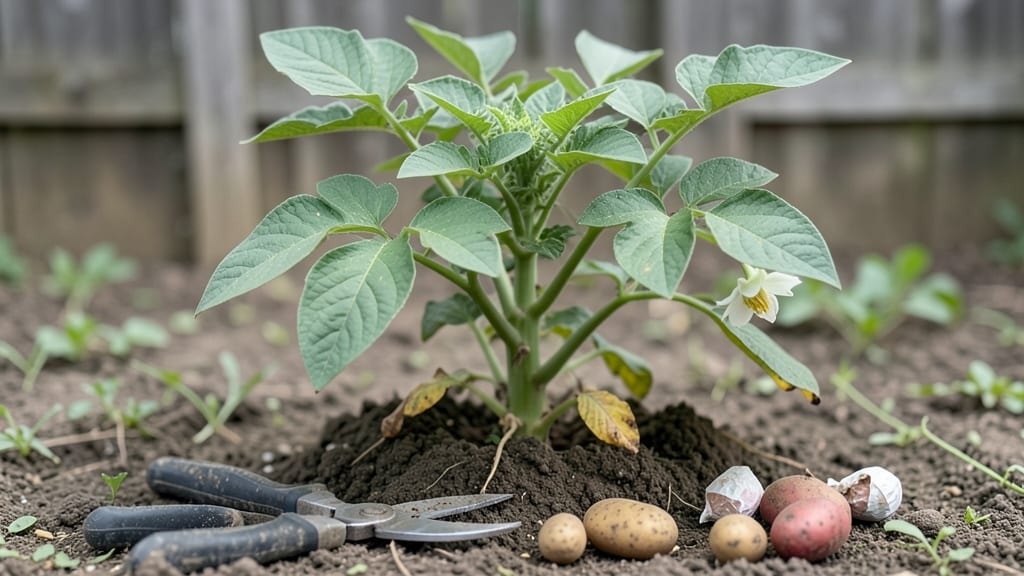
You can cut seed potatoes in half, but you must include at least one or two healthy sprouts (eyes) per piece while keeping cuts shallow to prevent rot from excess moisture during storage.
This method works best when you're working with larger potatoes that have multiple sprouts. 🌱 The key is to use a clean, sharp knife to make precise cuts—this minimizes tissue damage and reduces the risk of disease.
Once sliced, let the pieces air-dry for 24 hours in a cool, dark place before storing them in a breathable container with minimal moisture. This drying step creates a natural barrier that helps prevent rot during the weeks before planting.
Many gardeners swear by this technique for maximizing yield, especially when dealing with limited seed stock. Just remember: deeper cuts mean more surface area for moisture to penetrate, which can lead to spoilage.
If you're unsure about the health of your sprouts, it's safer to cut potatoes into smaller pieces with at least one eye per section rather than risk losing an entire tuber.
💡 In This Article
- How to Properly Slice Seed Potatoes for Optimal Sprouting
- Best Practices for Storing Cut Seed Potatoes Before Planting
How to properly slice seed potatoes for optimal sprouting
The first rule of slicing seed potatoes is to use a sterilized, sharp knife—a dull blade crushes cells, creating entry points for pathogens. Start by selecting potatoes with two or more healthy sprouts (eyes) spaced at least 1-2 inches apart.
These sprouts are your growth centers, and each piece needs at least one to develop into a full plant. The key is precision: cut just 1/4-inch deep between eyes to minimize exposed flesh while ensuring each section maintains its own growth potential.
Here's what's actually happening when you make these cuts: the potato's vascular system connects all eyes, so slicing disrupts this network. However, shallow cuts preserve enough vascular tissue to keep each piece viable.
For example, a 5-inch potato with three eyes might yield two usable halves if you cut between the outer eyes, leaving the center piece intact. The goal is to maximize pieces while keeping cuts straight and clean—any jagged edges increase surface area for moisture absorption and disease.
After cutting, the exposed flesh will oxidize and turn brown within minutes. This isn't just cosmetic—it's your first line of defense against rot. To heal the wounds, place the pieces in a cool (50-60°F), dark, well-ventilated area for 24-48 hours.
During this time, the cut surfaces develop a natural callus layer (similar to how a skinned knee heals) that seals moisture and pathogens out.
Think of it as the potato's immune system kicking into gear. 🌱 This step is non-negotiable: potatoes cured this way can last 2-3 months before planting, while uncured pieces may rot within weeks.
What most people don't realize is that the angle of your cut matters. Vertical cuts (parallel to the potato's length) are ideal because they create smaller surface areas compared to horizontal slices.
For potatoes with eyes clustered at one end, consider making a single diagonal cut from the base toward the eyes—this often yields one large piece with multiple sprouts and one smaller piece with one eye.
Avoid cutting through the center if possible, as this creates the largest wound area and highest rot risk.
For gardeners working with smaller potatoes (under 3 inches), slicing is rarely worth the risk. These tubers have limited flesh, and any cut significantly reduces their viability. Instead, use them whole or pair them with larger potatoes to create balanced halves.
The 1-inch rule applies here: if your knife needs to cut deeper than that to separate eyes, reconsider whether slicing is the right approach for that particular tuber.
One advanced technique worth trying is the "sprout cluster method." If a potato has three or more eyes in close proximity, you can sometimes make a single cut to separate one eye from the cluster, creating a small piece that still has growth potential.
This works best with fingerling potatoes, which often have eyes spaced less than 1 inch apart. Just be prepared to discard any pieces smaller than 1 ounce—they won't have enough energy reserves to develop properly.
Remember this golden rule: never cut potatoes more than 48 hours before planting. The longer they sit after cutting, the higher the moisture loss and rot risk. If you're preparing seed potatoes weeks in advance, focus on proper storage techniques (covered in the next section) rather than early slicing.
The goal is to give your cut pieces the best possible start—just like you'd want for any young plant. ✨