
Flowers
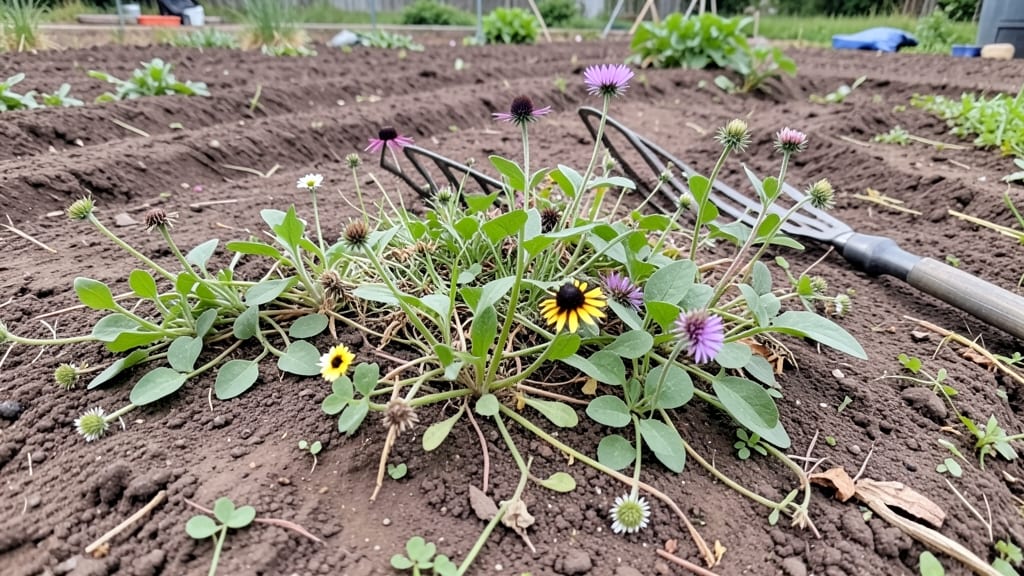
Wildflower seeds thrive when planted directly, but their tiny size and varying depth requirements make proper technique essential. 🌱 Many blends contain seeds that need light exposure to germinate, while others require gentle burial—scattering too thickly can lead to overcrowding or poor root development.
I've found that a light raking after sowing (about ¼-inch deep) creates the ideal balance between coverage and contact with the soil. The key is patience: most wildflowers take 10-30 days to sprout, depending on the species and weather conditions.
For best results, plant in early spring or late summer when temperatures are mild and rainfall is predictable. This timing gives seeds the moisture they need without risking rot from standing water.
If your area gets heavy winds, consider using a spreader for even distribution—uneven planting can create bare patches where weeds take over. Remember, wildflowers reward your effort with vibrant blooms and pollinator support, making the extra care worthwhile.
💡 In This Article
- Key Factors for Germinating Wildflower Seeds Directly
- Best Techniques for Direct Wildflower Seed Planting
Key factors for germinating wildflower seeds directly
Wildflower seed germination hinges on three critical factors: light exposure, soil depth, and moisture retention. Unlike vegetables that thrive when buried, most wildflower seeds need minimal soil contact—often just enough to anchor them without blocking sunlight.
Many species, like cosmos or black-eyed Susans, actually require light to trigger germination, a process called photoblasty. When seeds sit on bare soil, they absorb moisture and oxygen while staying exposed to daylight, which activates enzymes that break down seed coatings and kickstart growth.
The depth requirement varies dramatically by species. Tiny seeds like those in meadow blends often need only ⅛-inch coverage, while larger seeds like sunflowers can tolerate ½-inch burial. This variation explains why simply scattering seeds can lead to patchy results—some species may germinate while others fail due to improper depth.
The soil itself plays a role too: compacted or rocky ground prevents proper seed-to-soil contact, while loose, well-aerated soil allows roots to establish quickly. 🌱 For example, a blend containing clover (which prefers shallow planting) mixed with coreopsis (which tolerates slightly deeper coverage) would require careful attention to depth to ensure both types sprout.
Moisture retention is equally crucial because wildflower seeds lack the protective outer layers of larger crops. After planting, the top 1-2 inches of soil must stay consistently damp (not soggy) for germination to occur.
This is why many gardeners use a fine mist setting on their hoses or apply water in the early morning to reduce evaporation. The science here involves seed imbibition—the process where seeds absorb water and swell, activating metabolic processes. Without adequate moisture, seeds remain dormant or rot before sprouting.
Another common pitfall is misunderstanding seed blend composition. Many commercial wildflower mixes contain species with conflicting requirements—for instance, pairing light-loving annuals with shade-tolerant perennials. When you scatter seeds indiscriminately, the annuals may thrive while the perennials struggle to emerge. This is why reading the seed packet's depth recommendations is essential.
For example, a wildflower meadow mix might list "shallow coverage" for 70% of seeds but include a few species that need slightly deeper planting. A light raking (¼-inch) after sowing often resolves this by creating a textured surface that accommodates both shallow and deeper seeds.
Temperature also influences germination success, though it's often overlooked. Most wildflower seeds germinate best at soil temperatures between 60-75°F. Below 50°F, growth slows dramatically, while above 80°F, seeds may dry out or fail to sprout.
This explains why spring and fall planting typically yield better results than summer sowing in hot climates.
For instance, planting in April or September in most U.S. regions provides ideal temperature ranges while avoiding the extreme heat of mid-summer or the cold of winter. 🌿 The right conditions turn a simple scattering into a thriving wildflower display.
Finally, consider the role of soil microorganisms. Beneficial fungi and bacteria in healthy soil help break down seed coatings and suppress harmful pathogens. When you disturb the soil with a rake or hoe before planting, you're not just loosening the ground—you're also encouraging these microbes to become active.
This biological activity creates an environment where seeds can germinate more reliably than in undisturbed, compacted soil. Think of it as giving your wildflowers a head start by preparing the soil ecosystem alongside the physical conditions.