
Lawn
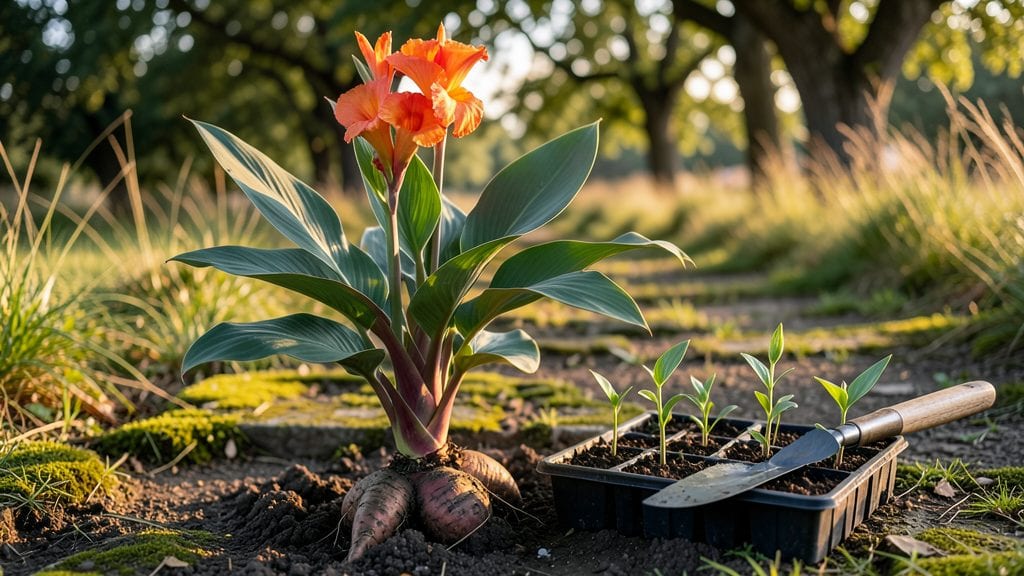
Growing canna lilies from seed isn’t the usual route—most gardeners dig up tubers—but I’ve had surprising success with fresh seeds that produce bold, tropical blooms in just 8 weeks.
The trick lies in mimicking their natural jungle conditions right from the start, and I’ll show you exactly how to skip the tuber hunt and grow them from scratch.
Most beginners assume seeds won’t work, but with the right warmth and patience, you’ll watch those first leaves unfurl into dramatic foliage and vibrant flowers by summer.
You’ll need a heat mat or sunny windowsill to keep soil at 75-85°F, a shallow tray with well-draining mix, and a spray bottle to keep seeds moist without drowning them. Canna seeds are finicky about germination—some take weeks, others never sprout—but when they do, they grow fast.
Start seeds indoors 10-12 weeks before last frost, and you’ll transplant sturdy seedlings that outperform store-bought tubers in heat tolerance and bloom size. The payoff? A garden packed with 3-foot-tall tropical statement plants that hummingbirds can’t resist.
Here’s the secret: don’t rush. Canna seedlings need bright, indirect light at first, then gradually more sun to toughen up. Yellowing leaves? Too much water. Stunted growth? Not enough heat.
I’ve lost count of how many seeds I’ve tried, but the ones that make it reward you with glossy, banana-like leaves and flowers in every shade from fiery red to deep purple.
By mid-summer, your neighbors will ask where you got yours—and you’ll smile knowing you grew them from tiny seeds.
If germination feels like a gamble, I’ll show you how to test seed viability with a simple water float test and backup methods like layering tubers or buying fresh seeds from tropical plant specialists.
The key is persistence—cannas repay patience with months of drama-free blooms that outshine even the showiest daylilies. Let’s get those seeds sprouting!
📚 In This Guide
- What you need
- Instructions
- Tips and common mistakes
- Wrapping up and next steps
What you need
- ● Canna lily seeds: 10–20 seeds (depending on desired coverage; opt for Canna 'Durban' or 'Striata' for vibrant blooms).
- ● Seed-starting mix: 2–3 gallons of lightweight, well-draining potting soil (avoid garden soil—it’s too dense!).
- ● Containers: 4–6 biodegradable pots (4–6 inches deep) or a seed tray with drainage holes.
- ● Grow lights or sunny windowsill: A full-spectrum LED grow light (12–16 hours/day) or a south-facing window (6+ hours of sunlight).
- ● Spray bottle: For gentle watering (avoid over-saturating seeds!).
- ○ Plastic wrap or humidity dome: To create a mini greenhouse effect (optional but helpful for germination).
- ● Fertilizer: 1 tbsp balanced liquid fertilizer (5-5-5 or 10-10-10) diluted to half-strength.
- ● Transplanting tools: Small hand trowel and garden gloves (canna roots are tough but can be prickly!).
- ● Heat mat: Keeps soil at 75–85°F for faster germination (seeds love warmth!).
- ● pH test kit: Ensure soil pH is 6.0–7.0 (canna lilies thrive in slightly acidic to neutral soil).
- ● Mulch: Straw or shredded leaves to retain moisture after transplanting.
- ● Stakes or trellis: For taller varieties (e.g., 'Australia'), provide support as they grow.
- ● Epsom salt: 1 tsp per gallon of water (monthly foliar spray for magnesium boost and vibrant blooms!).
Step-by-Step instructions for growing canna lily from seed
Here's how to transform tiny seeds into bold, tropical canna lilies ready for summer's boldest displays.
Start Seeds Indoors in Warmth and Moisture
Canna lily seeds need warmth to germinate—aim for soil temperatures between 75-85°F using a seedling heat mat if your home runs cooler. Fill a 4-inch pot with the seed-starting mix, moistening it until damp but not soggy. Press the soil down lightly to create a firm surface for seeds to cling to.
Plant seeds ½ inch deep, spacing them 1 inch apart in the pot. Cover them with a thin layer of additional mix, then mist the surface with water until evenly moist. Place the pot in a clear plastic bag or under a humidity dome to retain warmth and moisture. Check daily for condensation—if droplets form on the bag, remove it for 30 minutes to prevent fungal growth.
Germination can take 3-6 weeks, so patience is key. Keep the soil consistently moist but never waterlogged. You'll know it's working when you see the first green shoots breaking through the soil—this is when you'll need to adjust care.
Provide Bright, Indirect Light for Seedlings
Once seedlings emerge, remove the humidity dome immediately to prevent damping-off disease. Place them under grow lights or in a south-facing window where they'll receive 6-8 hours of bright, indirect light daily. Canna lilies hate leggy growth, so keep the lights 2-3 inches above the seedlings and raise them gradually as the plants grow.
You'll notice strong seedlings developing thick stems and deep green leaves within 4-6 weeks. If leaves appear pale or stems stretch toward the light, your seedlings need more intensity. Rotate the pot a quarter turn daily to encourage even growth and prevent leaning.
At this stage, avoid fertilizing—young seedlings are sensitive to salts. Instead, water with room-temperature water when the top ½ inch of soil feels dry. Overwatering now can lead to root rot, which stunts growth permanently.
Harden Off and Transplant After Frost
When nighttime temperatures stay above 55°F and all frost risk has passed, it's time to transplant. First, harden off seedlings by placing them outside in a sheltered, shaded spot for 1-2 hours the first day. Gradually increase exposure over 7-10 days, moving them to morning sun and then full sun by day 5.
Choose a planting site with well-draining soil and full sun—canna lilies thrive in heat and humidity but won’t tolerate soggy roots. Dig holes twice as wide as the root ball and 1 inch deeper than the pot. Gently remove seedlings, tease apart any tangled roots, and place them in the holes, firming soil around the base.
Water deeply after transplanting to settle the soil and encourage root establishment. Space plants 18-24 inches apart to allow for their broad, tropical foliage. Mulch around the base with 2-3 inches of organic mulch to retain moisture and suppress weeds—this is especially important in hot climates where soil dries quickly.
Fertilize and Maintain for Bold Blooms
Once transplanted, feed canna lilies with a balanced, water-soluble fertilizer diluted to half-strength every 4-6 weeks during the growing season. You'll see the difference in vibrant foliage and larger blooms—this is when your patience pays off. Water at the base of the plant in the morning to allow leaves to dry, reducing fungal risks.
Deadhead spent blooms by snipping stems ½ inch above the next leaf node to encourage more flowers. In colder climates, cut back foliage to 4 inches tall in fall and lift tubers before frost. Store them in a cool, dry place until spring replanting.
By 8 weeks, your canna lilies should be established with strong roots and emerging buds. With consistent care, you'll enjoy tropical splashes of color from mid-summer through fall—proof that growing from seed is worth the wait.
Tips & tricks for growing canna lily seeds successfully
Transforming tiny canna lily seeds into vibrant blooms requires precision—here are the key insights that'll help you avoid common pitfalls and maximize your success.
Soil Temperature is Non-Negotiable: The 75-85°F soil temperature range in Step 1 isn't just a suggestion—it's critical for germination. If your home runs cooler, invest in a seedling heat mat. I've seen seeds fail to sprout when soil temps dipped below 70°F, no matter how perfect the moisture levels appeared. Use an infrared thermometer to verify temperatures if you're unsure about your setup.
Humidity Management is an Art: That 30-minute daily ventilation when condensation forms isn't just about preventing fungal growth—it's about creating the perfect microclimate. I've found that removing the humidity dome for exactly 30 minutes when droplets appear creates ideal conditions without shocking the seeds. Too much humidity leads to damping-off, while too little causes the soil to dry out too quickly.
Light Intensity Matters More Than Duration: While the 6-8 hours of light in Step 2 is important, intensity is what truly prevents leggy seedlings. Position your grow lights just 2-3 inches above the seedlings and use full-spectrum bulbs. I've noticed that even with 8 hours of light, seedlings can stretch if the light isn't bright enough—look for pale stems and leaves reaching upward as your warning sign.
Transplanting Timing is Everything: The 55°F nighttime temperature threshold in Step 3 isn't arbitrary—it's the absolute minimum for canna lilies to handle outdoor conditions. I recommend waiting until daytime temperatures consistently reach 65°F before full sun exposure. The gradual hardening process over 7-10 days prevents transplant shock that can stall growth for weeks.
Pro Tips for Canna Lily Seed
- Transforming tiny canna lily seeds into vibrant blooms requires precision—here are the key insights that'll help you avoid common pitfalls and maximize your success.
- Soil Temperature is Non-Negotiable: The 75-85°F soil temperature range in Step 1 isn't just a suggestion—it's critical for germination.
- Humidity Management is an Art: That 30-minute daily ventilation when condensation forms isn't just about preventing fungal growth—it's about creating the perfect microclimate.
Frequently asked questions
Got questions about growing canna lily seeds? You’re not alone! Here are some of the most common queries—and their straightforward answers—to help you get started with confidence.
How long does it take for canna lily seeds to germinate?
Canna lily seeds typically germinate within 2–4 weeks when kept in warm (70–80°F), moist soil. Patience is key—some varieties may take longer, especially if conditions aren’t ideal. For faster results, soak seeds in warm water for 24 hours before planting!
Can I grow canna lilies from seed instead of tubers?
While tubers are faster and more reliable, seeds let you experiment with new colors and hybrids. Just know seeds may take 1–2 years to reach full bloom size, whereas tubers sprout quicker. Perfect for patient gardeners or those wanting unique varieties!
What’s the best temperature for growing canna lily seeds indoors?
Canna lilies thrive in warmth—aim for 70–85°F during the day and no lower than 60°F at night. Use a heat mat if your home runs cool, and place seeds near a sunny window or under grow lights. Avoid drafts or cold spots, which can stall germination.
Why aren’t my canna lily seeds sprouting?
Common culprits include cold soil, dry conditions, or old seeds (viability drops after 1–2 years). Double-check moisture (keep soil damp but not soggy), warmth, and seed freshness. If nothing works, try stratifying seeds (chilling them briefly) to mimic natural cycles.
Do canna lilies come back every year, or are they annuals?
In warm climates (Zones 8–11), canna lilies are perennial and return yearly. In cooler areas, treat them as tender perennials—dig up tubers in fall, store them in dry peat moss, and replant next spring. Seeds, however, may not survive winters outdoors.
Wrapping up and next steps
Growing canna lily seeds is a rewarding journey that brings bold, tropical beauty to your garden in just 8 weeks! With the right soil, sunlight, and care, you’ll transform tiny seeds into stunning blooms that thrive in containers or borders.
Whether you’re a beginner or seasoned gardener, these vibrant plants are a fantastic addition to any outdoor space.
Ready to dive in? Start by gathering your supplies—then plant those seeds and watch your garden flourish! 🌱 For extra tips, check out our FAQ section or share your progress with fellow plant lovers online.