
Light Requirements
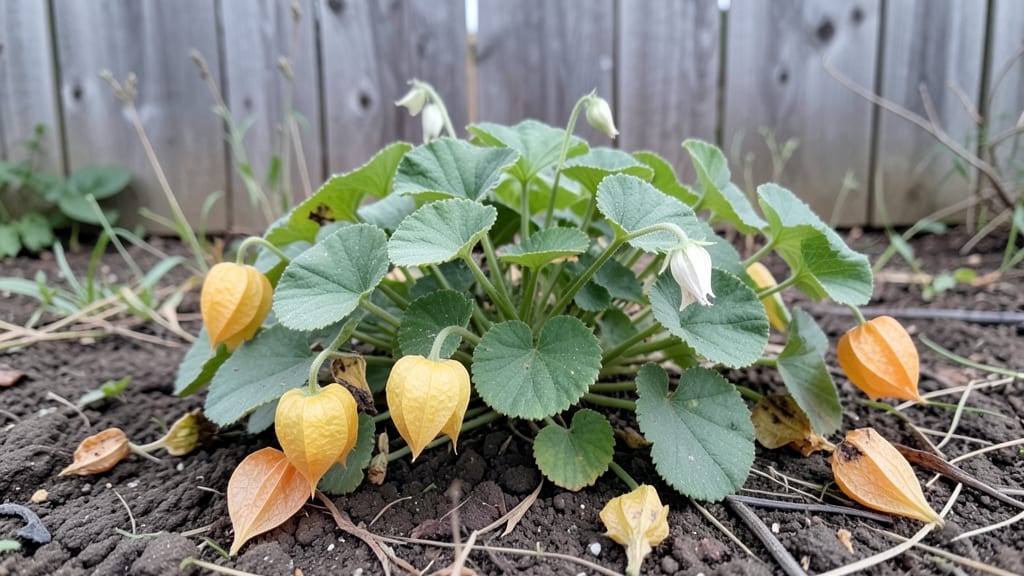
Growing Chinese lantern seedlings thrives when you mimic their native light-loving habits. ✨ I’ve watched these delicate plants flop in shade-only setups—until I discovered their secret: partial sun triggers the vibrant fall blooms we all crave.
The trick isn’t hours of direct light, but balancing morning sun with afternoon shade, especially in hot climates.
Start with well-draining soil and a small pot—3-4 inches wide—to prevent leggy seedlings. Place them where they get 4-6 hours of morning sun, then move them to dappled shade by afternoon.
Overwatering is the real villain here; let the top inch dry between waterings, and you’ll avoid the dreaded damping-off that kills seedlings before they even sprout true leaves.
By late summer, you’ll see those signature lantern-shaped blooms forming, their papery orange petals standing out against green foliage. The key is consistency—once they hit 6 inches tall, they’ll handle more sun, but never full afternoon heat.
This is where patience pays off: a little light management now means a showstopping fall display.
Works for both direct-seeded and transplanted seedlings, though starting indoors gives you a head start. Fair warning: these plants will flop in deep shade, but with the right light, they’ll reward you with blooms that last well into frost. Here’s how to set them up for success from day one.
📚 In This Guide
- What you need
- Instructions
- Tips and common mistakes
- Wrapping up and next steps
What you need
- ● Chinese lantern seeds: 5–10 seeds (or a small packet for multiple plants). Opt for organic or heirloom seeds for better germination.
- ● Seed-starting mix: 2–3 cups of lightweight, well-draining potting soil (avoid garden soil—it’s too dense!).
- ● Seed trays or small pots: 2–4 biodegradable or plastic seed trays (2–3 inches deep) or small pots with drainage holes.
- ● Grow lights or sunny windowsill: A full-spectrum LED grow light (12–16 hours/day) or a south-facing window with bright, indirect light.
- ● Spray bottle: For gentle watering (avoid over-saturating the soil!).
- ● Plastic wrap or humidity dome: To create a mini greenhouse effect and retain moisture.
- ● Heat mat: Keeps soil warm (70–75°F) for faster germination.
- ● Fertilizer: A balanced liquid fertilizer (5-10-5 ratio) diluted to half-strength for seedlings.
- ● Tweezers: For delicate seed handling (especially if seeds are tiny!).
- ● Labeled plant markers: To track seedling varieties (if growing multiple types).
- ● Patience! Germination can take 10–21 days—consistency is key.
- ● Space for seedlings to grow 6–12 inches tall before transplanting outdoors (after last frost).
- ● Access to a cool, shaded area (60–70°F) once seedlings sprout to prevent legginess.
Step-by-Step instructions for growing Chinese lantern seedlings
Here’s how I coax these delicate seedlings into thriving, vibrant plants with just a few light-focused adjustments.
🌱 Step 1: Start Seeds Indoors Under Gentle Light
Sow seeds in a shallow tray filled with moistened seed-starting mix, pressing them just below the surface—no deeper than ¼ inch. I use a humidity dome or plastic wrap to trap warmth and moisture, then place the tray on a seedling heat mat set to 75°F. This creates the ideal environment for germination, which typically occurs in 10-14 days.
Once the first true leaves appear, remove the dome immediately. Chinese lantern seedlings are prone to damping-off if kept too damp, so I switch to bottom-watering—placing the tray in a shallow dish of water for 10 minutes—to encourage strong root development without overwatering. Watch for cotyledons unfurling as your signal to adjust light.
☀️ Step 2: Transition to Bright, Indirect Light Gradually
Move seedlings to a south-facing window or under a grow light positioned 6 inches above the tray. Chinese lanterns need 12-14 hours of light daily, but direct sun can scorch tender leaves. I start with 4 hours of morning sun, then increase exposure by 1 hour daily over 7-10 days to harden them off.
Leggy seedlings mean your light isn’t strong enough. If stems stretch toward the window, raise the grow light to 4 inches or supplement with a reflective surface (like aluminum foil) to bounce light. You’ll know the light is perfect when seedlings grow compact and dark green, with leaves spaced ½ inch apart.
🪴 Step 3: Repot into Individual Containers for Stability
When seedlings reach 2 inches tall with 3-4 true leaves, transplant them into 3-inch pots filled with well-draining potting mix. Gently loosen roots to prevent shock, then firm soil around the base. I water lightly to settle the mix, ensuring no air pockets remain—Chinese lanterns hate soggy roots but also dry out quickly.
Place pots in a bright, shaded spot (like under a sheer curtain) for 3-5 days to recover. Avoid fertilizing yet—newly transplanted seedlings need time to establish roots before handling nutrients. You’ll see new growth within 7 days if conditions are right.
⏰ Step 4: Acclimate to Outdoor Conditions Before Planting
Two weeks before your last frost date, begin hardening off seedlings by placing them outside in a sheltered, partially shaded spot for 1 hour daily. Gradually increase exposure to full sun by day 10, but always bring them indoors at night—Chinese lanterns are tender perennials and won’t survive frost.
Watch for wilting or leaf drop as signs of stress. If this happens, reduce sun exposure by 1 hour and water deeply at the base. Once seedlings tolerate 6+ hours of sun without wilting, they’re ready for the garden. Plant in well-draining soil with morning sun and afternoon shade for best results.
Tips & tricks for perfect Chinese lantern seedlings
Mastering these light-sensitive seedlings comes down to patience and precision—here's how to avoid the most common pitfalls while maximizing their potential.
The Heat Factor: Maintaining that 75°F heat mat temperature is non-negotiable for germination. I use a digital thermometer to verify the mat isn't fluctuating—even 5°F variations can delay sprouting by days. Place the heat mat on a stable surface away from drafts, and consider using a small fan on low setting to create gentle airflow that mimics natural conditions.
Light Transition Secret: When increasing light exposure in Step 2, I mark each day's progress on the windowsill with painter's tape to track the 1-hour daily increments. This visual reminder prevents rushing the process—Chinese lantern seedlings need this gradual adjustment to develop strong stems. If you notice leaves curling toward the light source, it's a clear sign to increase intensity immediately.
Repotting Rescue Strategy: For Step 3, I always prepare the 3-inch pots with a small drainage hole covered by a coffee filter to retain moisture while preventing root rot. When transplanting, I make sure to water the original seedling tray thoroughly 24 hours beforehand—this encourages roots to spread outward rather than circling, which is crucial for these delicate plants.
Hardening Off Hack: During the 1-hour daily outdoor acclimation in Step 4, I place a small whiteboard near the seedlings to record their response. Note any wilting, color changes, or growth patterns—this becomes your personal guide for future batches. If seedlings show stress after just 1 hour, reduce to 30 minutes the next day and monitor closely.
Pro Tips for Chinese Lantern Seedling
- Mastering these light-sensitive seedlings comes down to patience and precision—here's how to avoid the most common pitfalls while maximizing their potential.
- The Heat Factor: Maintaining that 75°F heat mat temperature is non-negotiable for germination.
- Light Transition Secret: When increasing light exposure in Step 2, I mark each day's progress on the windowsill with painter's tape to track the 1-hour daily increments.
Frequently asked questions
Got questions about growing Chinese lantern seedlings? You’re not alone! Here are answers to the most common queries to help you nurture those stunning fall blooms with confidence.
How much light do Chinese lantern seedlings need?
Chinese lantern seedlings thrive in full sun to partial shade (6–8 hours of sunlight daily). If growing indoors, place them near a south-facing window or under grow lights for 12–14 hours. Too little light? Stems stretch weak (a condition called etiolation), and blooms may fade. Outdoor seedlings can handle light shade in hot climates but need bright conditions for vibrant colors.
When is the best time to plant Chinese lantern seedlings?
Plant seedlings after the last frost in spring (typically April–May in most U.S. zones) or direct-sow seeds in late summer (August–September) for fall blooms. Seedlings are frost-sensitive, so wait until soil is at least 55°F (13°C). For container growing, transplant after roots fill a 3-inch pot. Pro tip: Harden off seedlings 7–10 days before planting to avoid shock!
What should I do if my seedlings look leggy or weak?
Leggy seedlings usually mean not enough light or overcrowding. Move them to a brighter spot immediately and thin seedlings to 12–18 inches apart. For indoor seedlings, rotate pots daily so they grow straight. If roots are tangled, consider transplanting into larger containers with well-draining soil. Add a balanced fertilizer (10-10-10) to boost growth, but avoid over-fertilizing—it can burn tender roots.
Can I grow Chinese lanterns from seed instead of seedlings?
Direct-sowing seeds in late summer (for fall blooms) is easy and often yields stronger plants. Scatter seeds on moist soil, cover lightly with ¼ inch of soil, and keep them consistently damp. Germination takes 10–21 days in warm conditions. Seedlings grown from seed may have better disease resistance than store-bought seedlings. Just be patient—they grow slower at first but reward you with hardier plants!
Why aren’t my Chinese lantern flowers opening?
Several factors can delay blooms: not enough sunlight, over-fertilizing with nitrogen (which promotes leaves over flowers), or temperature stress (too hot or cold). Ensure your plants get at least 6 hours of sun and switch to a low-nitrogen, high-phosphorus fertilizer (like 5-10-10) to encourage flowering. If blooms form but don’t open, check for pests like aphids or spider mites, which can stress plants.
Bonus Tip:
For extra-vibrant blooms, deadhead spent flowers regularly. This redirects energy to new blooms and extends your fall display! Plus, Chinese lanterns are self-cleaning—their papery seed pods add winter interest, so don’t rush to remove them.
Wrapping up and next steps
Growing vibrant Chinese lantern seedlings is all about mastering the light game—balancing sunlight, shade, and seasonal shifts to coax those stunning fall blooms. Whether you’re nurturing them in containers or garden beds, remember: patience and observation are your best tools.
With the right light conditions, you’ll be rewarded with a dazzling display that brightens up autumn like a natural spotlight! 🌟
Ready to turn your green thumb into a fall-flower maestro? Start by monitoring your seedlings’ light exposure this week—adjust their spot if needed, and don’t forget to check out our pro tips for extra glow. Happy gardening!