Light Requirements
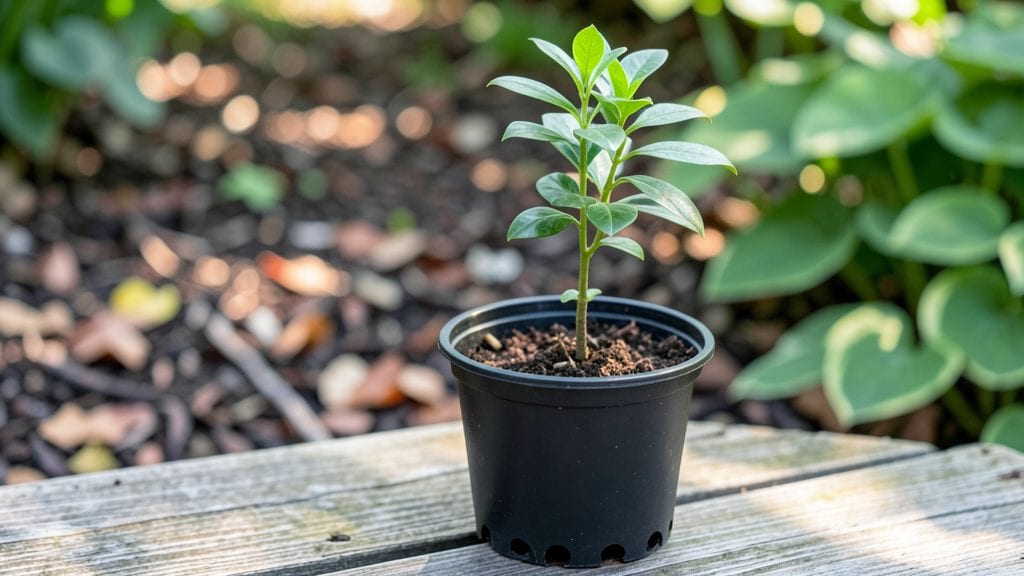
Growing Chinese privet seedlings fast means starting with the right sunlight and soil mix from day one. 🌱 I’ve learned that rushing the root stage leads to leggy, weak plants—so I focus on giving them exactly what they need to establish strong roots in just 3-4 weeks.
The secret isn’t complicated: partial shade at first, well-draining soil, and consistent moisture without soggy roots.
Most beginners overlook how much Chinese privet hates soggy feet. I use a mix of 60% potting soil, 30% perlite, and 10% compost to keep roots happy while preventing rot. Seedlings need 4-6 hours of morning sun at first, then gradually more as they toughen up.
Too much direct sun now = crispy leaves later. Trust the process—patience here pays off with bushier growth.
By week 4, you’ll see thick stems and new leaves signaling strong roots. The plants will handle full sun after that, but the early care keeps them from bolting or flopping.
This method works in zones 6-9, though container-grown plants can adapt to cooler climates with winter protection. Skip the guesswork—let’s get those seedlings thriving.
Here’s where it gets interesting: once roots establish, Chinese privet grows like a weed. The real test is spacing—3-4 feet apart for shrubs, 6-8 feet for hedges. Crowding now means pruning later. Ready to skip the slow start and get straight to lush, fast-growing privet? Let’s dive in.
📚 In This Guide
- What you need
- Instructions
- Tips and common mistakes
- Wrapping up and next steps
What you need
- ● Chinese privet seedling: 1 healthy, disease-free specimen (check for vibrant green leaves and sturdy stems).
- ● Well-draining potting mix: 2–3 gallons of a blend designed for shrubs (e.g., 60% peat moss, 30% perlite, 10% compost).
- ● Growing container: A 5–7 gallon pot with drainage holes (or a nursery pot for transplanting).
- ● Garden trowel or shovel: For planting and soil adjustments.
- ● Watering can or hose with a gentle spray nozzle: To avoid disturbing roots.
- ○ Mulch (optional but recommended): 1–2 inches of shredded bark or pine straw to retain moisture.
- ● Pruning shears: For trimming dead or overgrown branches (sterilize with rubbing alcohol).
- ● pH testing kit: To ensure soil pH is between 6.0–7.0 (ideal for Chinese privet).
- ● Fertilizer (balanced, 10-10-10 or slow-release): 1–2 tablespoons per planting hole.
- ● Sunlight assessment: Confirm a spot with 6+ hours of direct sunlight daily (or partial shade in hot climates).
- ● Weather check: Plant on a cloudy day or early morning to reduce transplant shock.
- ● Rooting hormone: Speeds up root establishment if transplanting mature cuttings.
- ● Drip irrigation system: For consistent moisture in dry climates.
- ● Soil moisture meter: To monitor watering needs without over-saturating.
- ● Eco-friendly pest control: Neem oil or insecticidal soap (preventative measure).
Step-by-step instructions for growing Chinese privet seedlings
Here’s how I grow sturdy Chinese privet seedlings in just 4-6 weeks—no guesswork, no wasted time.
🌱 Step 1: Prepare the Seed Starting Mix
Chinese privet thrives in well-draining soil, so I mix 50% peat-based seed starting mix with 50% perlite to prevent compaction. This lightweight blend lets roots spread quickly without suffocating. Fill your containers—whether biodegradable pots or seed trays—up to 1 inch below the rim.
Moisten the mix until it feels like a damp sponge—squeeze it gently, and it should hold its shape without dripping. Overwatering now will drown seeds before they germinate. I use a spray bottle for even moisture, avoiding heavy water pressure that can displace seeds.
🌱 Step 2: Sow Seeds at the Right Depth
Plant Chinese privet seeds ¼ inch deep, pressing them lightly into the soil with your fingertip. The key here is consistency—too shallow, and they’ll dry out; too deep, and they’ll struggle to reach light. I space seeds 1 inch apart in rows 2 inches apart to allow for thinning later.
Cover the tray with a clear plastic dome or plastic wrap to trap warmth and humidity. Place it in a warm spot—70-75°F is ideal—like on top of a fridge or near a sunny window. Germination should start in 10-14 days, but don’t be surprised if it takes up to 3 weeks in cooler conditions.
☀️ Step 3: Provide Bright, Indirect Light Immediately
The moment you see the first green shoots, remove the plastic cover and move seedlings to a spot with bright, indirect light. Chinese privet seedlings need 6-8 hours of light daily, but direct sun can scorch tender leaves. A south-facing window with sheer curtains works well, or use a grow light on a 12-hour timer.
Watch for leggy growth—a sign the light isn’t strong enough. If stems stretch toward the window and leaves space out, raise the grow light 2 inches closer to the seedlings. Strong seedlings will have thick stems and dark green leaves within 3-4 weeks.
💧 Step 4: Water and Fertilize for Fast Root Growth
Water seedlings when the top inch of soil feels dry, using room-temperature water to avoid shocking the roots. I water from the bottom by placing trays in a shallow dish of water for 10 minutes, letting the soil absorb moisture evenly. This prevents surface crusting and overwatering.
After 4 weeks, when seedlings have 2-3 sets of true leaves, switch to a balanced liquid fertilizer diluted to half-strength. Feed every 2 weeks to encourage robust root development. Over-fertilizing now will burn delicate roots—always follow the label for dilution rates.
✂️ Step 5: Harden Off and Transplant
Two weeks before your last frost date, start hardening off seedlings by placing them outside in a sheltered spot for 1-2 hours daily. Gradually increase exposure over 10 days, ending with a full day in the garden. This toughens stems and prevents transplant shock.
Transplant seedlings into their permanent spot when they’re 4-6 inches tall and have 5-6 true leaves. Dig holes twice as wide as the root ball but no deeper. Space plants 6-8 feet apart for mature growth. Water deeply after planting to settle the soil and encourage root spread.
Tips & tricks for perfect Chinese privet seedlings
These game-changing strategies will help you achieve robust Chinese privet seedlings in record time—without the common pitfalls that slow down growth.
Soil Mix Precision: The 50/50 peat-perlite blend is non-negotiable for Chinese privet's fast root establishment. I've found that adding 10% coconut coir to the mix improves moisture retention while maintaining aeration—just blend it in before filling containers. This tweak helps maintain consistent moisture during those critical first 3-4 weeks when roots are establishing.
Germination Temperature Secret: While 70-75°F is ideal, I've discovered that placing your seed trays on a seedling heat mat set to 75°F can cut germination time from 3 weeks to just 10-14 days. The consistent warmth mimics spring conditions and prevents the temperature fluctuations that often delay sprouting. Monitor closely—consistent warmth is more important than exact degrees.
Light Adjustment Strategy: For the 6-8 hours of daily light requirement, I recommend using a full-spectrum LED grow light on a 12-hour timer if natural light is insufficient. Position it 6 inches above seedlings initially, then adjust as they grow. The key is maintaining this distance—too close causes burning, too far leads to leggy growth. I check height weekly and adjust accordingly to keep stems thick and sturdy.
Transplant Timing Hack: Don't wait until seedlings are 4-6 inches tall to transplant—if your climate permits, you can transplant slightly smaller seedlings (3-4 inches) when they have 4-5 true leaves. This gives them more time to establish before winter sets in. Just be sure to harden them off for 10 days before moving them outside permanently, even if they're smaller. The extra root development time makes a surprising difference in winter survival rates.
Pro Tips for Chinese Privet Seedling
- These game-changing strategies will help you achieve robust Chinese privet seedlings in record time—without the common pitfalls that slow down growth.
- Soil Mix Precision: The 50/50 peat-perlite blend is non-negotiable for Chinese privet's fast root establishment.
- Germination Temperature Secret: While 70-75°F is ideal, I've discovered that placing your seed trays on a seedling heat mat set to 75°F can cut germination time from 3 weeks to just 10-14 days.
Frequently asked questions
Got questions about growing Chinese privet seedlings?
You’re not alone! Here are answers to the most common queries to help you nurture strong, healthy plants from the start.
When is the best time to plant Chinese privet seedlings?
The ideal window is early spring or fall when soil temperatures are mild (50–75°F). Avoid planting in extreme heat or frost, as seedlings struggle to establish roots. If you must plant in summer, water deeply and provide shade to prevent stress.
How often should I water Chinese privet seedlings?
Keep soil consistently moist but not soggy—water every 2–3 days in hot weather or when the top inch feels dry. Overwatering can suffocate roots, while underwatering stunts growth. Mulch around the base to retain moisture and regulate temperature.
Can I grow Chinese privet from cuttings instead of seedlings?
Yes! Take 4–6 inch cuttings from healthy stems in late spring/early summer. Dip in rooting hormone, plant in moist perlite/sand mix, and cover with a plastic bag to retain humidity. Roots should form in 4–8 weeks. Seedlings are faster but cuttings let you clone prized varieties.
Why are my Chinese privet seedlings turning yellow or wilting?
Yellowing leaves often signal overwatering or poor drainage, while wilting can mean underwatering or root rot. Check soil moisture and ensure pots/containers have drainage holes. If roots smell foul, repot in fresh, well-draining soil and reduce watering.
How much sunlight do Chinese privet seedlings need?
Seedlings thrive in partial shade (4–6 hours of sunlight daily) to prevent scorching. Mature plants tolerate full sun, but gradual acclimation (hardening off) is key. If leaves scorch, provide afternoon shade until roots strengthen.
Is Chinese privet invasive? Should I avoid it?
Chinese privet (Ligustrum sinense) can be aggressive in some regions (e.g., Southeast U.S.). Check local regulations—some states ban it due to invasiveness. Opt for sterile cultivars or native alternatives like Ligustrum amurense if concerns arise.
Wrapping up and next steps
Growing a Chinese privet seedling into a thriving plant is all about mastering the balance of sunlight, nutrient-rich soil, and patience! 🌱 By following the right steps—from selecting the perfect spot to nurturing those delicate roots—you’ll set your seedling up for success.
Remember, consistency is key, so keep an eye on moisture levels and adjust care as the seasons change.
Ready to watch your seedling really take off? Start by planting it in well-draining soil and monitoring its progress weekly. Before you know it, you’ll have a lush, fast-growing hedge or privacy screen that’s the envy of the neighborhood! 🌿