
Flowers
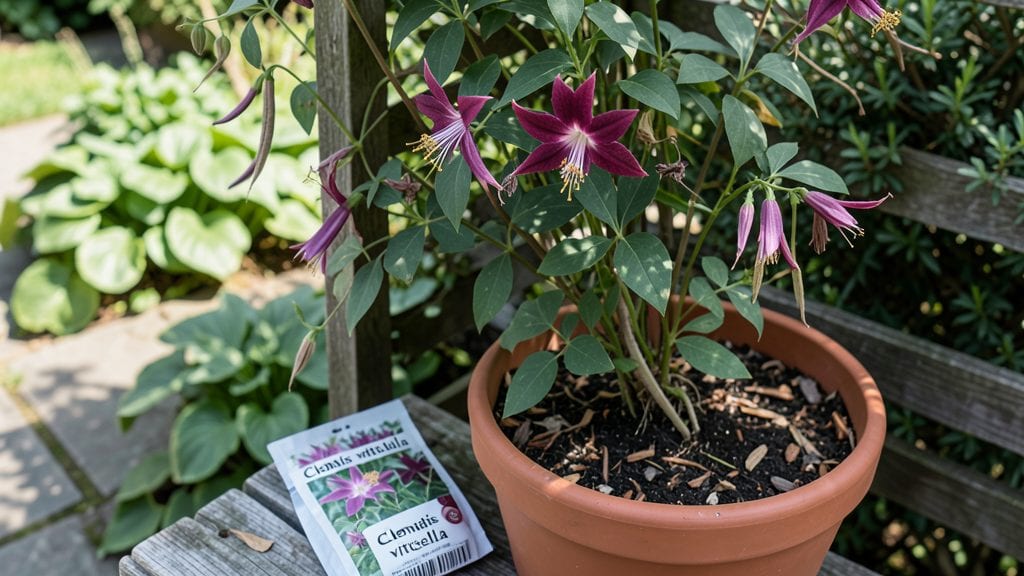
Growing climbing flower seeds transforms bare walls and fences into vertical gardens of bold, repeat-blooming color—and I’ve learned the exact tricks to make it happen without the guesswork.
The key starts with seed selection: morning glories for fast summer drama, clematis for long-term elegance, or sweet peas for their intoxicating fragrance. These vines don’t just grow—they explode with life once you get the timing right.
You’ll need just a few basics: a sunny spot (at least 6 hours of light daily), well-draining soil, and a sturdy trellis or fence for support.
Most seeds germinate best when sown directly in spring, but some like sweet peas thrive when started indoors 6-8 weeks before last frost.
The real magic happens when you pair the right vine with its support—imagine clematis cascading like a waterfall or morning glories twisting up a lattice in just 8-10 weeks.
Once sprouted, these flowers reward patience with season-long blooms—clematis in early summer, sweet peas through fall, and morning glories until frost. The care is simple: consistent watering, occasional pruning to encourage bushier growth, and deadheading spent blooms to keep the flowers coming.
Even my first attempt last year produced enough color to make neighbors ask, “What did you do?”
This method works for balconies, small yards, or even container gardens with vertical space. The only rule? Start small—pick one or two varieties to master before expanding.
By next season, you’ll have a climbing garden that’s the envy of the block, all from a packet of seeds. Let’s get those vines growing!
📚 In This Guide
- What you need
- Instructions
- Tips and common mistakes
- Wrapping up and next steps
What you need
- ● Climbing flower seeds: Choose fast-growing varieties like morning glories (e.g., ‘Heavenly Blue’) or clematis (e.g., ‘Jackmanii’). Buy 10–20 seeds per plant for better success rates.
- ● Growing containers or seed trays: Use 3–4 inch pots or biodegradable seedling trays with drainage holes.
- ● Seed-starting mix: A lightweight, sterile potting mix (avoid garden soil—it’s too dense!). Look for mixes labeled “seed-starting” or “organic potting soil.”
- ○ Plastic wrap or humidity dome: Keeps moisture in while seeds germinate (optional but helpful for tropical varieties like passionflowers).
- ● Grow lights or sunny windowsill: Seeds need 6–8 hours of light daily until sprouting. A LED grow light works best for indoor starts.
- ● Watering can with a fine rose: Gentle watering prevents seed displacement. Aim for 1–2 tbsp of water per pot when moistening soil.
- ● Trellis or climbing support: Even small plants need structure! Use 5–6 ft tall stakes, obelisks, or wire cages for vines.
- ● Hand trowel or spoon: For gentle soil work without disturbing seeds.
- ● Plant labels: Mark varieties to avoid mix-ups (especially if growing multiple types!).
- ● Fertilizer (balanced 10-10-10 or fish emulsion): Lightly feed seedlings after 4–6 weeks for stronger growth.
- ● Mulch (straw or shredded leaves): Helps retain moisture in outdoor gardens.
- ○ Heat mat (optional for slow germinators): Keeps soil 70–80°F for faster sprouting (great for clematis seeds).
Step-by-Step instructions for growing climbing flower seeds
Here's how to cultivate vibrant, repeat-blooming vines that transform any space into a vertical garden.
Select and Prepare the Right Containers
Choose containers that are at least 12 inches deep with drainage holes to accommodate the deep root systems of climbing flowers. I prefer 5-gallon fabric grow bags because they allow roots to breathe while providing stability for the vines. If using pots, ensure they're large enough to support the mature height of your chosen variety—some can reach 10-15 feet when fully trained.
Fill the bottom third of the container with a well-draining mix of 50% potting soil and 50% perlite. This layer prevents waterlogging while allowing excess moisture to drain away from the roots. Press it down lightly to create a firm base, but avoid compacting it too tightly—roots need space to expand.
Sow Seeds at the Correct Depth and Spacing
Plant seeds ¼ inch deep, which is roughly the diameter of most climbing flower seeds. I like to use a seed-starting tray for precision, but if sowing directly into containers, space seeds 6-8 inches apart to allow room for growth. Overcrowding leads to weak stems and competition for nutrients, which can stunt the vines before they even reach the trellis.
Cover the seeds lightly with additional potting mix, then mist the surface with water until evenly moist. A spray bottle works best—it prevents seeds from washing away while ensuring consistent moisture. Place the containers in a warm, 70-75°F environment, such as a seedling heat mat or a sunny windowsill. Germination typically occurs within 7-14 days, depending on the variety.
Provide Support and Train Vines Early
As soon as seedlings develop their first true leaves, install a trellis, obelisk, or sturdy wire frame near the container. I use bamboo stakes for lightweight varieties and metal cages for heavier climbers like morning glories. Secure the support structure firmly—vines can become top-heavy as they grow, and a wobbly trellis will collapse under the weight.
Gently guide the main stem of each seedling toward the trellis as it grows. This encourages upward growth and prevents leggy stems. If using a spiral trellis, wrap the vine around the support in a clockwise direction—this mimics natural climbing habits and reduces stress on the plant. Watch for tendrils or small leaves that indicate the vine is ready to cling to the structure.
Maintain Consistent Moisture and Fertility
Water deeply 2-3 times per week, ensuring the top 2 inches of soil remain moist but not soggy. Climbing flowers have extensive root systems, so they require steady hydration to support their rapid growth. I water in the early morning to allow foliage to dry before evening, which reduces the risk of fungal diseases like powdery mildew.
Fertilize every 4-6 weeks with a balanced, water-soluble fertilizer diluted to half strength. Over-fertilizing can lead to lush foliage at the expense of blooms, which is the whole point of growing these vines. Look for dark green leaves and new growth as signs that the plant is thriving. If flowers appear sparse, reduce nitrogen and increase phosphorus to encourage blooming.
Prune and Deadhead for Continuous Blooms
Prune leggy or overcrowded stems in early spring to encourage bushier growth. Cut back one-third of the vine to the nearest leaf node, which stimulates new shoots. This is also the time to remove any dead or diseased foliage—climbing flowers are susceptible to powdery mildew, so prompt removal prevents the spread.
Deadhead spent blooms regularly to prolong flowering. Simply pinch off the faded flowers with your fingers or use clean pruners. This redirects the plant’s energy into producing new blooms rather than setting seed. You’ll notice a surge in fresh flowers within 2-3 weeks of consistent deadheading. For varieties like morning glories, which bloom in the morning, check for spent blooms daily to keep the display vibrant.
Tips & tricks for cultivating thriving climbing flower vines
Growing climbing flowers successfully comes down to a few key details that make all the difference between healthy vines and struggling plants. These insights will help you avoid common pitfalls while maximizing your chances of vibrant, repeat-blooming vines.
Container Selection: The 12-inch depth requirement isn't arbitrary—climbing flowers develop extensive root systems that need room to establish. If you're using pots, opt for containers with a diameter of at least 12 inches as well to prevent root binding. Fabric grow bags are excellent because their breathable material mimics natural soil conditions, but ensure they're sturdy enough to support mature vines. For varieties reaching 10-15 feet, consider using containers with built-in support structures to eliminate the need for separate trellises.
Germination Environment: Maintaining that 70-75°F range is crucial for consistent germination within 7-14 days. If your home tends to be cooler, place containers on a seedling heat mat or use a propagation dome to create a microclimate. The key is keeping the soil consistently warm without overheating—above 80°F can actually inhibit germination. I've found that placing containers on top of refrigerators (with the door closed) creates the perfect warm environment without requiring additional equipment.
Training Technique: When guiding vines toward trellises in Step 3, resist the urge to force the stems—gentle guidance is essential. The clockwise wrapping method mimics how vines naturally climb in the wild, reducing stress on the plant. For particularly vigorous climbers like morning glories, I recommend installing a secondary support system halfway up the trellis to prevent the main stem from snapping under the weight of new growth. This extra precaution becomes especially important as vines approach their mature height.
Fertilizer Strategy: The 4-6 week fertilization schedule is ideal, but timing matters just as much as frequency. Always fertilize in the morning when plants are actively photosynthesizing, and water thoroughly before and after applying fertilizer to prevent root burn. I've noticed that climbing flowers respond particularly well to a foliar spray of diluted fertilizer every other application—this provides an additional nutrient boost through the leaves while the roots recover.
Pro Tips for Climbing Flower Seeds
- Growing climbing flowers successfully comes down to a few key details that make all the difference between healthy vines and struggling plants.
- Container Selection: The 12-inch depth requirement isn't arbitrary—climbing flowers develop extensive root systems that need room to establish.
- Germination Environment: Maintaining that 70-75°F range is crucial for consistent germination within 7-14 days.
Frequently asked questions
Got questions about growing climbing flower seeds? You’re not alone! Here are answers to the most common concerns—from timing to troubleshooting—to help you cultivate stunning, repeat-blooming vines with confidence.
When is the best time to plant climbing flower seeds?
Most climbing flowers thrive when planted in early spring after the last frost, but some (like sweet peas) can handle fall sowing for spring blooms. Check your seed packet for specifics—cool-season climbers (e.g., morning glories) may even sprout faster in late summer for a fall display!
How often should I water climbing flower seeds?
Keep soil consistently moist (not soggy!) until germination, which usually takes 7–21 days. Once sprouted, water deeply 2–3 times per week, focusing on the base to encourage strong roots. Mulch lightly to retain moisture—just avoid piling it against stems to prevent rot.
Can I grow climbing flowers in containers or small spaces?
Compact varieties like thunbergia (black-eyed Susan vine) or nasturtiums thrive in containers with trellises. Use well-draining soil and a pot at least 12 inches deep with drainage holes. For balconies, opt for lightweight vines like ipomoea (morning glories) that climb quickly without heavy weight.
Why aren’t my climbing flower seeds germinating?
Common culprits include old seeds (viability drops after 1–2 years), too-deep planting (most need light to germinate), or temperature issues (some need warmth, others cool soil). Try soaking seeds overnight or using a seedling heat mat. If still stuck, test a few seeds in damp paper towels—if they don’t sprout in 10 days, they may be non-viable.
How do I encourage repeat blooming in climbing flowers?
Deadhead spent blooms regularly to redirect energy to new flowers. For heavy feeders like clematis, fertilize lightly with a balanced bloom booster every 4–6 weeks. Prune leggy growth in early spring, and ensure vines get 6+ hours of sun daily—most climbing flowers reward consistent care with season-long color!
Wrapping up and next steps
Growing climbing flower seeds is a rewarding way to transform your space into a vibrant, ever-changing oasis—without the fuss! Whether you're drawn to morning glories, sweet peas, or clematis, these vines deliver bold, repeat-blooming color that thrives year-round with the right care.
With just a little patience and the basics covered (like proper sunlight and support), you’ll enjoy a lush, floral show that keeps giving.
Ready to dive in? Start small—pick one or two varieties to experiment with, then expand your collection as you gain confidence. Your garden (and future pollinators!) will thank you. 🌿✨