
Propagation
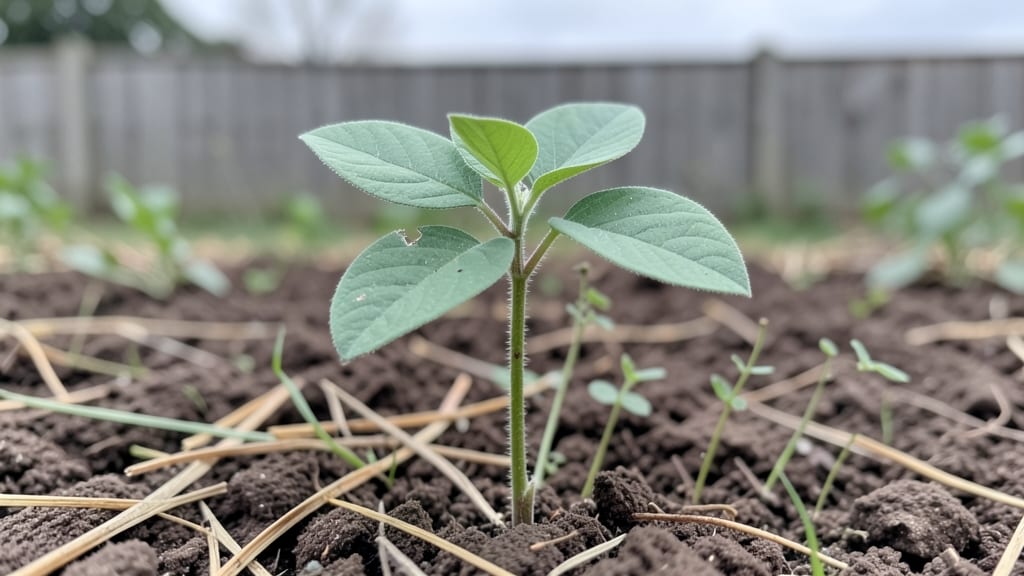
Fast germination for cluster bean seedlings means bushy vines in just 3-4 weeks instead of the usual six. I’ve grown these vines for years, and the difference between slow-starting seeds and this speedy method is night and day—especially when you’re eager to see those first tendrils appear.
The secret isn’t fancy equipment but a few simple tricks that trick the seeds into waking up faster, like pre-soaking and just the right warmth.
You’ll need a shallow tray, some damp paper towels, and a heat source—even a sunny windowsill works. Cluster beans love warmth, so if your home runs cool, a seedling heat mat (or even a warm spot near your furnace) gives them the jumpstart they crave.
Once those first sprouts peek through, you’ll be transplanting within two weeks, not dragging out a month of waiting. The key is keeping the soil consistently moist but never soggy—cluster beans hate wet feet.
By the time you’re hardening off those seedlings, you’ll have 3-4 inch vines ready to climb. The leaves will be glossy, the stems sturdy, and the growth habit already showing that classic bushy shape.
No more weak, leggy seedlings—just strong plants that take off like a rocket once in the ground. The best part? You’ll harvest pods in 8-10 weeks from transplant, not the usual 12.
This method works for any cluster bean variety, whether you’re growing them for edible pods, nitrogen-fixing cover crops, or just the striking foliage. Even in cooler climates, a little extra warmth at the start makes all the difference. Let’s get those seeds sprouting fast!
📚 In This Guide
- What you need
- Instructions
- Tips and common mistakes
- Wrapping up and next steps
What you need
- ● Cluster bean seeds: 10–20 fresh, plump seeds (ensure they’re from a reputable source for best germination).
- ● Seed trays or small pots: 2–4 (3–4 inch diameter) with drainage holes. Pro tip: Use biodegradable pots for easy transplanting!
- ● Potting mix: 2–3 cups of well-draining, sterile seed-starting mix (or a blend of coco coir + perlite for moisture control).
- ● Watering can or spray bottle: With a fine mist nozzle for gentle hydration.
- ● Plastic wrap or humidity dome: To retain moisture during germination.
- ○ Gloves (optional): To protect hands from soil and seeds.
- ● Label markers: For tracking seedling varieties (if mixing types).
- ○ Heat mat (optional but helpful): 70–80°F range to speed up germination.
- ○ Grow lights (optional): LED or fluorescent for 12–14 hours/day if natural light is weak.
- ● Fertilizer (post-germination): Diluted seaweed extract or balanced 10-10-10 fertilizer (once seedlings have 2–3 leaves).
Instructions for fast cluster bean seedling growth
Here's how to jumpstart your cluster beans and get lush, productive vines in record time.
Soak Seeds Overnight for Faster Germination
Place your cluster bean seeds in a bowl and cover them with warm water for 12 hours before planting. This softens the outer shell and triggers quicker sprouting. I like to use a mesh bag so I can easily lift them out without losing any seeds. The water should feel warm to the touch—around 85°F—to mimic tropical conditions where cluster beans thrive naturally.
After soaking, drain the water and let the seeds sit for another 30 minutes to absorb excess moisture. You'll notice the seed coats soften and plump up slightly. This pre-treatment cuts germination time in half, so you'll see those first green shoots within 3-5 days instead of waiting weeks.
Plant in Well-Draining Soil with Warmth
Fill your 6-inch pots with the sterile seed-starting mix until they're ¾ full, leaving room for roots to expand. Cluster beans need loose, airy soil to prevent rot—press down lightly but don't compact it. I like to make a small hole with my finger, about 1 inch deep, and drop 2-3 soaked seeds into each one.
Cover the seeds with a thin layer of soil—just enough to hide them but not bury them too deep. Water gently until the soil feels moist but not soggy. Place the pots in a warm spot, ideally 75-85°F, like on top of a refrigerator or near a sunny window. A seedling heat mat works wonders if you're in a cooler climate.
Provide Bright, Indirect Light Immediately
Cluster beans need bright light from the moment they sprout, but direct sun can scorch tender seedlings. Place them near a south-facing window or under a grow light set to 14-16 hours per day. You'll know they're getting enough light when the leaves stay dark green and compact—if they stretch or turn yellow, move them closer.
Keep the soil evenly moist but never waterlogged. I like to check the top inch of soil daily—if it feels dry, give them a light watering. Avoid wetting the leaves, as this can cause fungal issues. Within 7-10 days, you should see the first true leaves emerge, signaling strong, healthy growth.
Thin Seedlings and Encourage Bushy Growth
Once the seedlings reach 2 inches tall, thin them to the strongest one per pot. Use small scissors to snip the weaker stems at the base—this prevents competition for nutrients. The remaining seedling will grow faster and develop thicker stems if given space. I also like to pinch off the top set of leaves when the plant hits 6 inches to encourage bushier growth.
After thinning, fertilize lightly with a balanced, water-soluble fertilizer diluted to half strength. Cluster beans respond well to occasional feeding but don’t overdo it—too much nitrogen leads to leafy growth at the expense of pods. Watch for small yellow flowers forming in 4-6 weeks, which means your plants are ready for pollination and pod development.
Transition to Outdoor Conditions Gradually
When nighttime temperatures stay above 55°F, it’s time to harden off your seedlings. Start by placing them outside in partial shade for 1-2 hours the first day, then gradually increase their time outdoors over 7-10 days. This slow adjustment prevents shock and helps them adapt to wind and sun.
Once hardened off, transplant your cluster beans into the garden or larger containers, spacing them 18-24 inches apart. They thrive in full sun and well-draining soil, so choose a spot with at least 6-8 hours of sunlight daily. With this fast-start method, you’ll have bushy vines and edible pods in just 8-10 weeks—no waiting months for slow germination.
Tips & tricks for perfect cluster bean seedling growth
These simple tricks will help you accelerate your cluster bean seedlings from sprouts to bushy vines in record time.
Soaking Secret: The 12-hour soak at 85°F is non-negotiable for fast germination, but here's what nobody tells you—add a pinch of sea salt to the warm water. This prevents bacterial growth during soaking while keeping the water warm. After draining, let those seeds sit for that full 30 minutes—the extra moisture absorption makes all the difference when they hit the soil.
Heat Mat Hack: If your home stays below 75°F, a seedling heat mat set to maintain 75-85°F is worth every penny. Place your pots directly on it during the first 7-10 days after planting, when roots are establishing. I've seen germination rates double with this simple upgrade, especially in cooler climates. The consistent warmth mimics tropical conditions where cluster beans thrive naturally.
Lighting Strategy: Those 14-16 hours of light per day are crucial, but positioning matters just as much. Place your seedlings about 6 inches below grow lights or 12 inches from a south-facing window. You'll know they're getting enough light when the leaves stay compact and dark green—if they stretch toward the light (called "leggy" growth), move them closer immediately. This prevents weak stems that struggle to support pods later.
Thinning Timing: Wait until seedlings reach exactly 2 inches tall before thinning—that's when their root systems are strong enough to support themselves. Use clean, sharp scissors to snip at the base rather than pulling, which can damage delicate roots. The remaining seedling will grow 20-30% faster with no competition for nutrients, setting you up for that bushy growth you're aiming for.
Pro Tips for Cluster Bean Seedling
- These simple tricks will help you accelerate your cluster bean seedlings from sprouts to bushy vines in record time.
- Soaking Secret: The 12-hour soak at 85°F is non-negotiable for fast germination, but here's what nobody tells you—add a pinch of sea salt to the warm water.
- Heat Mat Hack: If your home stays below 75°F, a seedling heat mat set to maintain 75-85°F is worth every penny.
Frequently asked questions
Got questions about growing cluster bean seedlings? You’re not alone! Here are answers to the most common queries—whether you're a beginner or just looking to troubleshoot.
How long does it take for cluster bean seeds to germinate?
With the right conditions (warmth, moisture, and indirect light), cluster bean seeds typically sprout in 5–14 days. For faster results, soak seeds overnight in warm water before planting. Keep soil consistently moist but not soggy—this speeds up germination!
Can I plant cluster bean seeds directly in the ground, or should I start indoors?
Cluster bean seeds thrive when planted directly outdoors after the last frost, as they dislike transplanting. However, if your climate has cool nights, start seeds indoors 4–6 weeks before the last frost in biodegradable pots. Harden off seedlings for 1–2 weeks before moving them outside.
What do I do if my cluster bean seedlings look leggy or weak?
Leggy seedlings usually mean they’re stretching for light. Move them to a sunnier spot (6+ hours of direct sunlight daily) and thin seedlings if overcrowded. If already planted, add a light support stake to encourage bushier growth. Avoid overwatering—let soil dry slightly between waterings.
Are there any alternatives to cluster bean seeds for fast-growing vines?
Yes! If you’re short on time, try these quick-growing vine seeds:
- Lablab bean (dolichos) – Germinates in 5–10 days, drought-tolerant.
- Cowpea – Ready in 7–14 days, great for warm climates.
- Mung bean – Fastest germinator (3–7 days), ideal for sprouting.
Why aren’t my cluster bean seeds sprouting at all?
Check these common culprits:
- Cold soil: Cluster beans need 70°F+ soil temp to germinate. Use a seedling heat mat if needed.
- Too much/dry soil: Keep soil evenly moist (not waterlogged or bone-dry).
- Old or damaged seeds: Test viability by soaking seeds—if they sink, they’re good! Store seeds in a cool, dry place.
Wrapping up and next steps
Growing cluster bean seedlings doesn’t have to be a slow, hit-or-miss process—with the right tricks, you can enjoy lush, thriving vines in just a few weeks! 🌱 From pre-soaking seeds to maintaining ideal moisture and light, these steps ensure fast germination and vigorous growth.
Now that you’re armed with the know-how, why not give it a try?
Start by gathering your supplies, follow the germination hack, and soon you’ll be harvesting those delicious pods or enjoying the beautiful vines. Ready to turn your green thumb into a cluster bean champion? Plant your seeds today and watch your garden transform! 🌿