
Trees
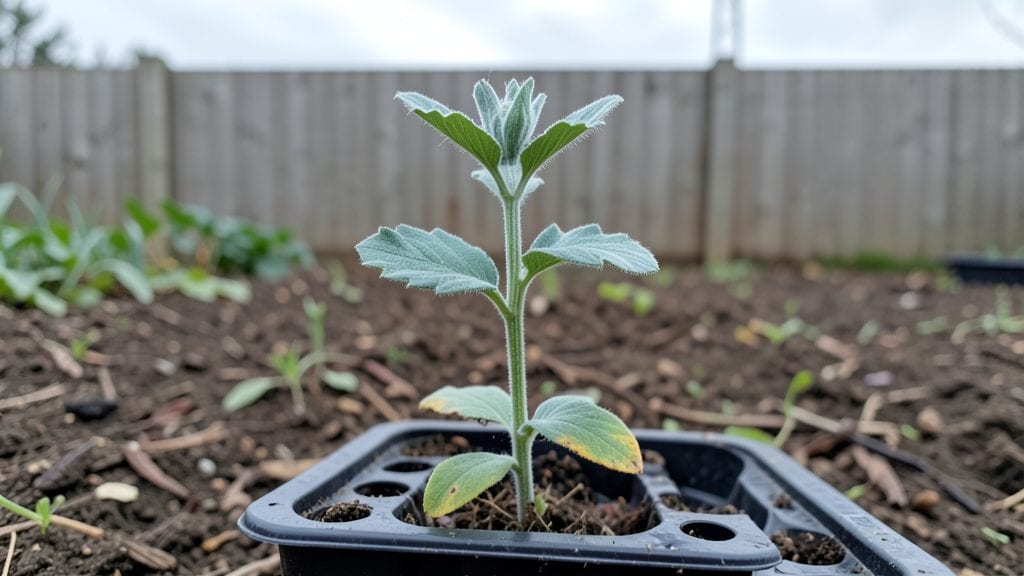
The identification of a columbine seedling begins with those signature lobed leaves—deeply cut like a jagged maple, but smaller and more delicate. 🌱 I’ve spent years watching these tiny plants pop up in my garden, and I’ll show you exactly how to tell them apart. them apart from weeds or other seedlings before they get crowded out.
The key is in the leaf shape and color: healthy columbine seedlings have bright green, palmate leaves with 3-5 pointed lobes, while weeds often have smoother edges or more rounded shapes. Check the spacing too—columbine leaves grow close to the stem, not scattered like dandelion sprouts.
Once you spot them, you’ll want to act fast—these seedlings bolt quickly if left too long. Transplant them into well-draining soil with partial shade, and you’ll have vibrant blooms by next spring. The first few weeks are critical for establishing strong roots.
Even in crowded flower beds, these lobed leaves stand out—just don’t confuse them with young delphiniums, which have similar but slightly more elongated foliage. With this guide, you’ll never miss a columbine again.
Why Seedlings Struggle Identification
Columbine seedlings can be a gardener’s delight—but only if you know what to look for. Misidentification often stems from a mix of natural growth patterns, environmental factors, and even human oversight.
Understanding these causes helps you spot young columbine plants early and give them the care they deserve. Here’s why seedlings might be harder to recognize than you’d expect.
Young columbine seedlings don’t start with their signature deeply lobed leaves—they begin with smooth, simple leaves that resemble other plants. This is a survival strategy: early leaves prioritize rapid photosynthesis over complex shapes.
As seedlings mature (typically 4–6 weeks after germination), the leaves gradually develop the distinctive 3–5 rounded lobes that make columbines unmistakable.
💡 Pro Tip: Look for hairy stems and whorled leaf arrangement in seedlings—these are early clues even before lobes appear. If the leaves are palmately veined (like fingers spreading from a central point), you’re on the right track!
Columbine seedlings thrive in partial shade and well-draining soil, but stress—like drought, poor soil, or overcrowding—can stunt their growth and alter leaf shape. When conditions are less than ideal:
- Leaves may appear smaller or less lobed (resembling wildflowers like aquilegia cousins or even foxglove seedlings).
- Color shifts from deep green to pale or yellowish hues, blending into the background.
- Growth slows, making seedlings harder to spot among weeds or grass.
🔥 Actionable Fix: If you suspect a columbine seedling but the leaves look "off," check the root zone. Healthy columbine roots are fibrous and white—if the soil is compacted or waterlogged, the plant may be struggling to show its true form.
Columbine seedlings are vulnerable to aphids, slugs, and fungal infections, all of which can distort leaf shape and size. For example:
| Pest/Disease | Effect on Seedlings | How to Spot It |
|---|---|---|
| Aphids | Stunted growth, curled or sticky leaves (from honeydew) | Tiny green/black bugs clustered on new growth |
| Slugs | Ragged, chewed edges on leaves | Slime trails on soil or plants at dawn |
| Powdery Mildew | White fuzzy coating on leaves, slowing lobing | White dust on upper leaf surfaces |
🎯 Prevention Tip: Use row covers for young seedlings or apply neem oil to deter pests. Healthy seedlings with no visible damage are far easier to identify!
Columbine seedlings germinate best in cool spring or fall temperatures (50–70°F). If planted in hot summer months, they may:
- Emerge with tiny, underdeveloped leaves that resemble grass or clover.
- Grow slowly or unevenly, making identification a guessing game.
- Develop long, leggy stems (a sign of "etiolation") as they stretch toward light.
✨ Growth Hack: If you suspect a seedling but it’s hard to see, wait 2–3 weeks. Columbines typically bolt upright once they sense stable conditions—look for the first signs of lobing or a cluster of 3–4 leaves (a "whorl").
Even experienced gardeners miss columbine seedlings because they:
- Focus on flower color (which won’t appear for 1–2 years after planting).
- Ignore seedling height—they often stay under 2 inches for months.
- Confuse them with weeds or other perennials like lungwort or bleeding heart.
🔍 Detection Tip: Scan your garden in early spring for clusters of hairy stems with rounded, veined leaves. A hand lens can reveal the tiny lobes you might miss with the naked eye.
Quick Fixes for Seedling Confusion
Got a young plant that might be a columbine but isn’t quite sure? Let’s cut through the guesswork with clear, actionable steps. Whether you’re dealing with misidentification, growth hiccups, or just want to confirm your garden’s new arrival, these solutions will help you spot—and nurture—your columbine seedlings with confidence.
Columbine seedlings are easy to misidentify, but their lobed leaves are the dead giveaway. Here’s how to check:
- 🍃 Look for 3-5 deep lobes: Young columbine leaves start with 3-5 rounded, finger-like lobes (like a tiny maple leaf).
If your seedling’s leaves are smooth-edged or have jagged cuts, it’s likely something else (e.g., foxglove or lungwort). - 🌱 Compare to mature leaves: As seedlings grow, their leaves develop more pronounced lobes and a hairy texture on the underside.
Snap a photo and compare it to this leaf guide. - ❌ Common lookalikes: - Bleeding heart (Dicentra): Leaves are fern-like, not lobed. - Lungwort (Pulmonaria): Leaves have silvery spots, not deep lobes. - Foxglove (Digitalis): Leaves are long, toothed, and tubular—nothing like columbine’s rounded shape.
> 💡 Pro Tip: If your seedling’s leaves are alternate (one per stem node) and palmately lobed, you’re 90% there. Columbines always have this pattern.
Columbine seedlings have distinct color cues that set them apart:
| Feature | Columbine Seedling | What to Watch For |
|---|---|---|
| Stem | Thin, hairy, and purplish-green | If stems are smooth or bright green, reconsider. |
| Leaves | Velvety texture, dark green above | Feel the underside—columbine leaves are fuzzy! |
| Flowers (if any) | Spurred blooms (even tiny ones) | Look for tiny, nodding flowers with backward-facing petals. |
| Growth Speed | Slow to moderate | Columbines are not fast growers—if your seedling is shooting up like a weed, it’s probably not one. |
> ⚠️ Warning Sign: If your "columbine" has yellowing leaves or black spots, it might be damping off (a fungal disease). Move it to a drier, sunnier spot immediately.
Columbine seedlings thrive in specific conditions. If yours isn’t growing well, adjust these factors:
- 🌞 Light Needs: Partial shade (4–6 hours of sun). Too much sun = scorched leaves; too little = leggy, weak stems. - 💧 Watering: Keep soil moist but not soggy.
Overwatering causes root rot (check for mushy stems). - 🌍 Soil Type: Well-draining, slightly alkaline (pH 6.5–7.5). If your soil is heavy clay, mix in compost or perlite. - 🐛 Pests to Watch For: Slugs and aphids love young columbine leaves.
Use beer traps (bury a cup of beer in the soil) or neem oil spray if you spot damage.
> 🎯 Prevention Tip: Mulch lightly around seedlings with straw or wood chips to retain moisture and deter weeds—without smothering the plant.
If your seedling fails the leaf test, don’t panic—here’s how to reidentify and repurpose:
- 🔎 Dig up a small sample (gently!) and press the leaves between paper towels to preserve them.
- 📸 Snap a close-up photo of the leaves, stem, and any flowers.
- 🌐 Use a plant ID app like: - PlantNet (free, crowdsourced) - Google Lens (upload a photo for instant matches) - iNaturalist (great for wildflower ID)
- 🌱 Transplant or compost based on the ID: - Edible? (e.g., wild violet or plantain) → Keep it! - Invasive? (e.g., garlic mustard) → Remove it. - Ornamental but not columbine? → Rehome it in your garden where it’ll thrive.
> 🌡️ Temperature Tip: Columbines hate heat. If you’re in a hot climate (Zones 8+), plant them in morning sun + afternoon shade or consider cool-season varieties like Aquilegia canadensis.
Once you’ve confirmed your seedlings, lock in their success with these habits:
- 🌱 Fertilize lightly in spring with balanced 10-10-10 (columbines don’t need heavy feeding).
- ✂️ Deadhead spent blooms to encourage more flowers (but leave some seed pods for wildlife!).
- 🌿 Divide clumps every 3–4 years to prevent overcrowding (columbines spread via rhizomes).
- 🐝 Attract pollinators: Columbines love hummingbirds and bees—plant near salvia, bee balm, or lavender for a buzzing garden.
Final Thought: Misidentification happens to every gardener! The key is observation + patience. Now that you’ve got the lowdown on columbine seedlings, you’ll spot them (and their imposters) like a pro. 🌸
Frequently asked questions
How do I tell if a tiny seedling is a columbine?
Look for 3-5 rounded lobes on each leaf—like a miniature maple leaf. Baby columbines also have hairy stems and palmately veined leaves (veins spread from the center). Early leaves may be smooth, but true columbines develop lobes within 4-6 weeks.
What if my seedling’s leaves look more like grass than lobed?
Don’t panic! Young columbines often start with simple, grass-like leaves before developing lobes. Wait 2-3 weeks—if the leaves begin showing rounded indentations and grow in whorls, it’s likely a columbine. Check for hairy stems too!
Can I transplant a columbine seedling that’s already growing in my garden?
Yes, but do it early—columbines establish roots slowly. Gently dig around the root ball (keep it intact) and replant in partial shade with well-draining soil. Water lightly for 10 days to reduce transplant shock. Avoid moving them during extreme heat.
Why do some columbine seedlings have yellow leaves?
Yellowing leaves usually signal overwatering or nutrient deficiency. Columbines prefer moist but not soggy soil—check for mushy stems (root rot). If the soil is too alkaline (pH >7.5), add peat moss or compost to improve drainage and nutrient balance.
How long until I see flowers on a seedling?
Patience! Columbines typically don’t bloom until their second year (12–18 months). Focus on nurturing strong lobed leaves and hairy stems—these are your clues. If your seedling is healthy but not flowering by year 2, it may need more sunlight (try 4–6 hours of morning sun).