
Trees
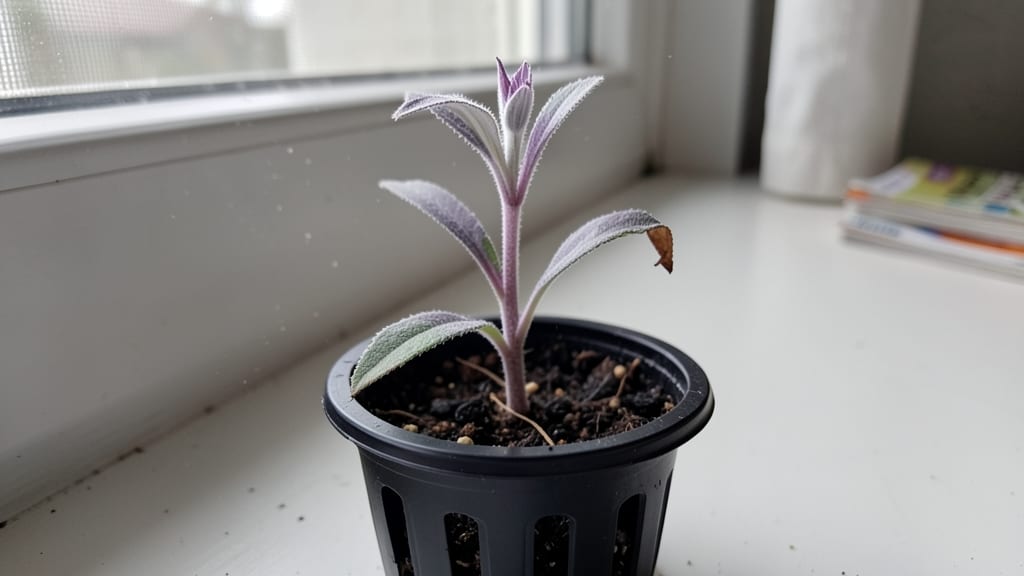
Mastering coneflower seedling identification early means sparing your garden from weeding out those fuzzy, deep-green maple-like leaves—your future showstoppers. 🌱 The key is spotting the lobed pattern and the way they grow in tight clusters near the soil.
Most beginners confuse them with dandelions or chickweed, but coneflower seedlings have a distinctive hairy stem and leaves that unfold in a fan shape. If you’re still unsure, wait a week—they’ll develop the classic purple-veined leaves that set them apart.
Growing them in well-draining soil with afternoon shade gives them the best start.
Once you’ve confirmed their identity, keep the soil consistently moist but not soggy. A light mulch around seedlings helps retain moisture while protecting them from temperature swings. Within 4-6 weeks, you’ll see the first true leaves—larger, more defined, and ready for transplanting if needed.
This works for both purple coneflowers (Echinacea purpurea) and white varieties—just watch for the color differences in mature foliage. If you’re in a hot climate, prioritize morning sun exposure to prevent stress.
The earlier you spot them, the more time they have to establish strong roots before blooming season.
📚 In This Guide
- What you need
- Instructions
- Tips and common mistakes
- Wrapping up and next steps
What you need
- ● Coneflower seedlings (Echinacea spp.) – At least 3-5 seedlings in varying growth stages for accurate comparison.
- ● Magnifying glass or hand lens – A 10x magnification tool helps examine fine details like leaf texture and vein patterns.
- ● Ruler or measuring tape – For measuring leaf length, stem diameter, and overall seedling height (preferably in inches or centimeters).
- ● Notebook or digital device – To record observations, sketch leaf shapes, and note growth stages.
- ● Field guide or reference images – Printed or digital copies of Echinacea seedling identification guides (e.g., from blank">Missouri Botanical Garden or blank">USDA resources).
- ○ Pruning shears (sterilized) – For gently harvesting small leaf samples if needed (optional but helpful for close study).
- ● Camera with macro setting – Capture high-resolution images of leaf details for later reference.
- ● Grow light or sunny windowsill – If identifying seedlings indoors, ensure they get 6+ hours of light daily.
- ● Garden gloves – Protect your hands while handling seedlings or soil.
- ● Potting soil or seedling trays – If you plan to transplant or nurture seedlings further.
- ● Labeling tags or sticky notes – To mark seedlings by species (e.g., Echinacea purpurea vs. Echinacea pallida).
How to identify coneflower seedlings by leaf shape and growth stage
Watch for these distinct markers—coneflower seedlings reveal their identity early if you know what to look for.
🌱 Step 1: Spot the First True Leaves (Cotyledons vs. Seed Leaves)
New seedlings first produce two small, rounded leaves called cotyledons—these aren't true coneflower leaves but the plant's initial food source. Coneflower cotyledons are smooth-edged and oval-shaped, often with a slightly lighter green hue than mature foliage. Don't mistake them for the real deal; they'll drop off as the plant matures.
True coneflower leaves emerge next, and this is where identification gets exciting. Look for deeply lobed, fern-like leaves with 3-5 pointed segments radiating from a central stem. These leaves grow in a spiral pattern around the stem, unlike the opposite arrangement of some weeds. If you see this lobed pattern, you've got a coneflower seedling.
🌿 Step 2: Examine Leaf Texture and Arrangement
Coneflower seedlings develop hairy stems and leaves—this fuzzy texture is a dead giveaway. Run your fingers gently over the stems and leaf undersides; you'll feel fine, soft hairs that distinguish them from smooth-leaved weeds. The leaves also grow alternately along the stem, not in pairs like many common garden weeds.
Compare the leaf shape to reference photos if needed—the lobes should resemble a roughly star-shaped outline when viewed from above. Young seedlings may have smaller lobes, but the pattern becomes clearer as they grow. If leaves are entire (unlobed) and smooth, you're likely dealing with a weed like lamb's quarters instead.
💧 Step 3: Track Growth Rate and Stem Development
Coneflower seedlings grow moderately fast once established, putting out 2-3 new leaves per week under good conditions. The stems remain upright and sturdy, rarely flopping over like weak weed seedlings. Watch for the first true flower buds forming at the stem tips—these appear as small, tightly packed clusters when seedlings are about 4-6 weeks old.
Here's the thing—coneflower seedlings develop a taproot system early, so avoid disturbing them. If you notice a single, thick root growing downward while pulling weeds, that's another coneflower clue. Weeds typically have fibrous root systems that pull out easily, while coneflowers resist gentle tugging.
✂️ Step 4: Differentiate from Common Lookalikes
Goldenrod seedlings often get confused with coneflowers because they also have lobed leaves, but goldenrod leaves are more finely divided with narrower segments. Coneflower leaves have broader lobes that resemble a rough star shape. Another trick: coneflower leaves have prominent veins that create a web-like pattern when backlit by sunlight.
If you're still unsure, wait a few days—the first true leaves will develop more pronounced lobes as the seedling matures. Weeds like ragweed have serrated (toothed) edges and grow much faster, often forming dense mats. Coneflower seedlings stay spaced apart and grow vertically, never creeping along the soil.
⏰ Step 5: Confirm with Flower Bud Development
The ultimate test comes when seedlings produce flower buds—coneflower buds appear as tight, cone-shaped clusters at the stem tips. These buds form when seedlings are 4-6 weeks old and grow upward before opening into the familiar daisy-like blooms. If you spot these buds, you've confirmed your seedlings are indeed coneflowers.
Real talk: some gardeners accidentally pull out coneflower seedlings because they resemble weeds at first glance. I always wait until I see the lobed leaves and hairy stems before making a call. Once you've identified one, you'll recognize the pattern instantly in future plantings.
Tips & tricks for perfect coneflower seedling identification
Here's what nobody tells you about spotting coneflower seedlings before they're obvious—these details make all the difference between keeping your plants and pulling them out by mistake.
Leaf Shape is Your First Clue: In Step 1, when you're checking for those first true leaves, focus on the spiral arrangement around the stem—this is a dead giveaway. Most weeds have leaves growing in pairs or opposite each other, but coneflowers grow in a clockwise spiral pattern. Hold your seedling up to a reference photo to compare the 3-5 pointed lobes radiating from the center. The more pronounced these lobes become as the seedling matures, the more confident you can be in your identification.
Texture is the Secret Weapon: The fuzzy texture mentioned in Step 2 isn't just for show—it's a critical distinguishing feature. Run your thumb along the stem and leaf undersides; coneflower seedlings have fine, soft hairs that feel almost velvety to the touch. This hairiness continues as the plant matures and is one of the most reliable ways to tell coneflowers apart from smooth-leaved weeds like lamb's quarters. If you're still unsure, hold the seedling up to a bright light—you'll see the web-like vein pattern that's characteristic of coneflower leaves.
Growth Rate and Root Development: The 2-3 new leaves per week growth rate mentioned in Step 3 is crucial timing information. If you're seeing faster growth (like daily new leaves), you're probably dealing with a weed. Coneflower seedlings also develop a taproot system early, so when you gently tug on a seedling, if it resists with a thick, single root, that's another confirmation. Weeds typically have fibrous roots that pull out easily—this simple tug test can save you from accidentally removing your coneflowers while weeding.
Flower Buds are the Ultimate Confirmation: When you spot those tight, cone-shaped clusters at the stem tips around the 4-6 week mark (Step 5), you've got definitive proof. These buds will grow upward before opening into the familiar daisy-like blooms. Keep an eye out for this development—it's the final confirmation that your seedlings are indeed coneflowers. If you're still unsure before this stage, wait a few days and observe whether the leaves develop more pronounced lobes and whether the plant maintains its upright, sturdy growth habit.
Pro Tips for Coneflower Seedling Identification
- Here's what nobody tells you about spotting coneflower seedlings before they're obvious—these details make all the difference between keeping your plants and pulling them out by mistake.
- Leaf Shape is Your First Clue: In Step 1, when you're checking for those first true leaves, focus on the spiral arrangement around the stem—this is a dead giveaway.
- Texture is the Secret Weapon: The fuzzy texture mentioned in Step 2 isn't just for show—it's a critical distinguishing feature.
Frequently asked questions
Got questions about spotting those tiny coneflower seedlings before they bloom? You’re not alone! Here are some of the most common queries—plus quick answers to help you identify and nurture them like a pro.
What do coneflower seedlings look like at the very first stage?
New coneflower seedlings start as tiny, oblong leaves (about 1–2 inches long) with a slightly fuzzy texture. The first leaves are often lance-shaped and grow in a basal rosette close to the soil. Look for deep green veins—they’re your best clue before any flowers appear!
How long does it take for coneflower seedlings to grow identifiable?
Seedlings become easier to ID in 4–6 weeks after germination, when they develop their classic hairy, lobed leaves. By the 8–12 week mark, you’ll spot the distinctive daisy-like foliage and potential flower buds. Patience pays off—rushes can lead to misidentification!
Can I tell the difference between coneflower and sunflower seedlings?
Yes! Coneflower seedlings have narrow, toothed leaves with a fuzzy underside, while sunflower seedlings grow long, smooth, and pointed leaves (like tiny swords). Coneflowers also stay low to the ground early on, whereas sunflowers shoot up fast with a single, prominent stem.
What should I do if my seedlings look diseased or stunted?
Check for yellowing leaves (possible overwatering or fungus) or chewed edges (slugs/snails). Thin crowded seedlings to improve airflow, and avoid wet foliage. If powdery mildew appears, spray with neem oil or a baking soda solution. Most issues fix with proper spacing and sunlight!
Will coneflower seedlings bloom the first year, or do I need to wait?
Most coneflower seedlings won’t bloom until their second year—focus on establishing strong roots first! If they flower early (rare), expect small, underdeveloped blooms. Prioritize well-draining soil and full sun to encourage robust growth for next season’s stunning purple/pink flowers.
Wrapping up and next steps
Identifying coneflower seedlings doesn’t have to be a challenge—just remember to focus on leaf shape, growth stages, and color! With the right tools and a little patience, you’ll soon be spotting those early signs of purple coneflower, black-eyed Susan, or other varieties with confidence. 🌱
Now that you’re equipped with this knowledge, why not take the next step? Head outside, grab your magnifying glass, and start observing those young sprouts. If you’re ready to grow your own, consider planting seeds this season—your garden (and pollinators!) will thank you.