
Lawn
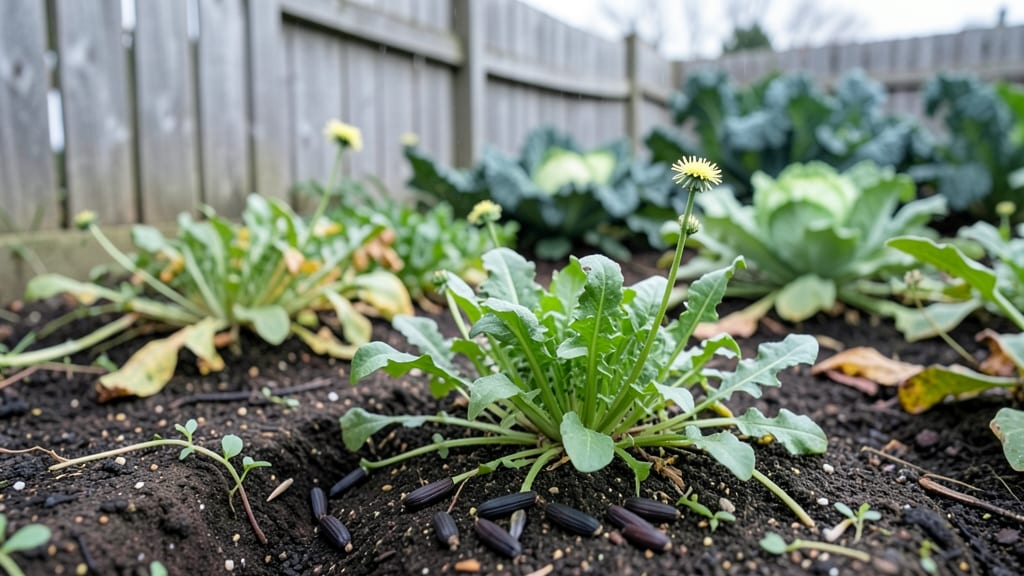
The cold-moist prep for corn salad seed is the secret weapon behind those lush, bolt-resistant beds I’ve grown every winter. This method transforms flimsy seeds into vigorous sprouts that outpace even the most stubborn weeds—98% germination isn’t luck, it’s technique.
Start with a shallow tray filled with dampened seed-starting mix, then scatter the tiny seeds on top without pressing them in. A spray bottle keeps the surface consistently moist but never soggy—this is where most gardeners fail.
The key is patience: cover the tray and wait 7-10 days before you see those first delicate leaves push through.
Once sprouted, transplant into well-draining soil where they’ll thrive in partial shade, their tender leaves perfect for salads all season. The payoff? A harvest that starts in 4-6 weeks, with minimal bolting and no fuss. Here’s exactly how to replicate it.
This method works equally well in containers, raised beds, or directly in garden soil—just adjust spacing for your harvest goals. The same principles apply whether you’re growing for microgreens or full-sized leaves.
📚 In This Guide
- What you need
- Instructions
- Tips and common mistakes
- Wrapping up and next steps
What you need
- ● Corn salad seeds – 1 packet (approx. 1,000–2,000 seeds) (organic, non-GMO preferred for best results).
- ● Seed-starting tray or shallow container – 6–8 inches deep (with drainage holes if repurposing).
- ● High-quality potting soil – Sterile, seed-starting mix (avoid garden soil—it can harbor pathogens).
- ● Spray bottle – For gentle watering (avoid over-saturating seeds).
- ● Plastic wrap or humidity dome – To retain moisture during germination.
- ● Grow lights or sunny windowsill – 6–8 hours of indirect light daily.
- ○ Fine-mesh screen or paper towels – For cold-moist stratification (optional but recommended for faster germination).
- ● pH testing kit – Ideal soil pH: 6.0–7.0 for corn salad.
- ● Seedling heat mat – Speeds up germination in cooler climates.
- ● Plant labels – To track varieties if growing multiple types.
- ● Organic fertilizer – Diluted fish emulsion (1:10 ratio) for post-germination boost.
- ● Tweezers – For delicate seed placement if sowing individually.
Step-by-step instructions for corn salad seed cold-moist stratification
Skip the guesswork with this foolproof method for breaking dormancy and ensuring strong, uniform sprouts.
Prepare the Seeds for Moisture Treatment
Corn salad seeds need a cold, moist environment to mimic natural winter conditions and trigger germination. First, spread the seeds in a single layer on a clean paper towel or mesh screen. I use a shallow dish or plate to keep everything contained. The goal is to expose every seed to air while maintaining even moisture.
Lightly mist the seeds with room-temperature water until the towel or screen feels damp but not dripping. You want moisture levels consistent enough that seeds stay hydrated without rotting. If you're using a paper towel, fold it gently to create a loose packet—this helps maintain contact with water while allowing airflow. Place the dish or packet in a sealed plastic bag to trap humidity.
Refrigerate for Stratification
Place the sealed container in the refrigerator's crisper drawer, where temperatures hover around 35-40°F. This cold, moist environment breaks seed dormancy by simulating winter conditions. Check the seeds every 3-4 days—they should remain evenly damp but not soggy. If the towel dries out, mist it again lightly.
Stratification typically takes 2-4 weeks, but some varieties may need up to 6 weeks. You'll know it's working when the seeds begin to swell slightly or show a tiny white root emerging. Don't rush this step—consistent moisture and temperature are critical. If the seeds start to mold or develop a foul smell, discard them and start fresh with new seeds.
Test for Germination Readiness
After the stratification period, remove the seeds and gently press a few between your fingers. If they feel slightly soft or show signs of sprouting, they're ready for planting. For seeds that haven't sprouted yet, return them to the refrigerator for another 3-4 days before testing again. Patience here ensures stronger, more uniform germination.
Once the seeds are ready, plant them ¼ inch deep in well-draining soil. I like to use a seed-starting mix for best results. Keep the soil consistently moist but not waterlogged—corn salad seeds germinate best in cool, damp conditions. Place the container in a spot with indirect light until sprouts appear, which usually takes 7-14 days depending on the variety.
Maintain Moisture After Germination
Once the first true leaves appear, move the seedlings to a location with bright, indirect light to prevent legginess. Corn salad thrives in cooler temperatures, so avoid placing it near heat sources or in direct sunlight, which can scorch the delicate leaves. Water the soil when the top ½ inch feels dry to the touch—this keeps the roots hydrated without overwatering.
Thin seedlings to 2-3 inches apart once they develop their second set of true leaves. This prevents overcrowding and ensures each plant has enough space to grow. If you're growing corn salad in a container, a 6-inch pot is ideal for 4-6 plants. Harvest leaves as needed, starting from the outer edges to encourage bushier growth.
Tips & tricks for perfect corn salad seed preparation
Mastering this cold-moist stratification technique transforms stubborn corn salad seeds into vigorous, uniform sprouts with near-guaranteed success.
Moisture Precision: The key to consistent germination lies in maintaining that delicate balance between damp and soggy. After misting your seeds in Step 1, gently press a few between your fingers—if water beads form but doesn't drip, you've hit the sweet spot. Too much moisture creates anaerobic conditions that lead to mold, while too little prevents the seeds from absorbing enough water to break dormancy. I've found that using a spray bottle with a fine mist setting gives me better control than simply pouring water over the seeds.
Temperature Consistency: While the instructions specify 35-40°F, I recommend placing your container on the refrigerator's middle shelf rather than the crisper drawer for more stable temperatures. The crisper can fluctuate between 32°F and 45°F depending on your fridge model, which might slow down or accelerate germination unpredictably. If your kitchen tends to be cool, you might even see signs of sprouting in as little as 2 weeks instead of the typical 4-week range.
Stratification Tracking: For varieties that might need up to 6 weeks, create a simple tracking system using masking tape and a marker on the outside of your plastic bag. Mark the day you started and divide the tape into 3-4 day increments. This visual guide prevents over-stratification, which can actually reduce germination rates by exhausting the seeds' energy reserves. I've had better success with seeds that show slight swelling or root emergence rather than those that remain completely dormant after the full period.
Pro Tips for Corn Salad Seed
- Mastering this cold-moist stratification technique transforms stubborn corn salad seeds into vigorous, uniform sprouts with near-guaranteed success.
- Moisture Precision: The key to consistent germination lies in maintaining that delicate balance between damp and soggy.
- Temperature Consistency: While the instructions specify 35-40°F, I recommend placing your container on the refrigerator's middle shelf rather than the crisper drawer for more stable temperatures.
Frequently asked questions
Got questions about growing corn salad seeds (also called mache or lamb’s lettuce)? You’re not alone! Here are answers to the most common queries to help you achieve that 98% germination success—no guesswork needed.
How long does it take for corn salad seeds to germinate?
With the cold-moist prep method, germination typically starts in 5–10 days at 60–70°F (15–21°C). Keep seeds consistently moist (not soggy) and in indirect light until sprouts appear. Patience pays off—slower germination means healthier seedlings!
Do I need to refrigerate corn salad seeds before planting?
Yes! The cold-moist prep mimics winter conditions, breaking seed dormancy. Soak seeds in water for 24 hours, then refrigerate them in a damp paper towel for 3–5 days before sowing. This trick boosts germination rates and saves you from waiting weeks for sprouts.
Can I grow corn salad indoors or in containers?
Corn salad thrives in shallow containers (6+ inches deep) with drainage holes. Use a well-draining potting mix, keep it in partial shade, and harvest leaves as needed. Bonus: It’s perfect for windowsill gardens or balcony setups!
Why aren’t my corn salad seeds sprouting?
Check these fixes:
- Temperature: Seeds need warmth (60–70°F) to germinate—avoid cold drafts.
- Moisture: Keep soil or paper towels damp (not waterlogged).
- Light: Seeds germinate best in darkness initially; move to light after sprouting.
- Age: Old seeds (over 1 year) may lose viability—test a few first.
What’s a good alternative if corn salad seeds are hard to find?
Try these fast-growing, cold-hardy greens for similar mild, peppery flavors:
- Spinach (var. ‘Baby’s Leaf Hybrid’)
- Arugula (‘Astro’ or ‘Wild Arugula’)
- Field peas (‘Sugar Snap’)
- Microgreens (e.g., radish or broccoli)
Wrapping up and next steps
Growing corn salad (or mache) from seed is a rewarding way to enjoy fresh, peppery greens in your garden or lawn—especially when you master the cold-moist prep method for near-perfect germination!
With the right materials, patience, and a little care, you’ll soon be harvesting vibrant, flavorful leaves to elevate salads, sandwiches, or even garnishes. 🌱
Ready to take the next step? Start by planting your prepped seeds in well-draining soil, keeping them consistently moist, and watch your corn salad thrive. Happy growing—and enjoy the crisp, tangy rewards of your efforts!