
Lawn
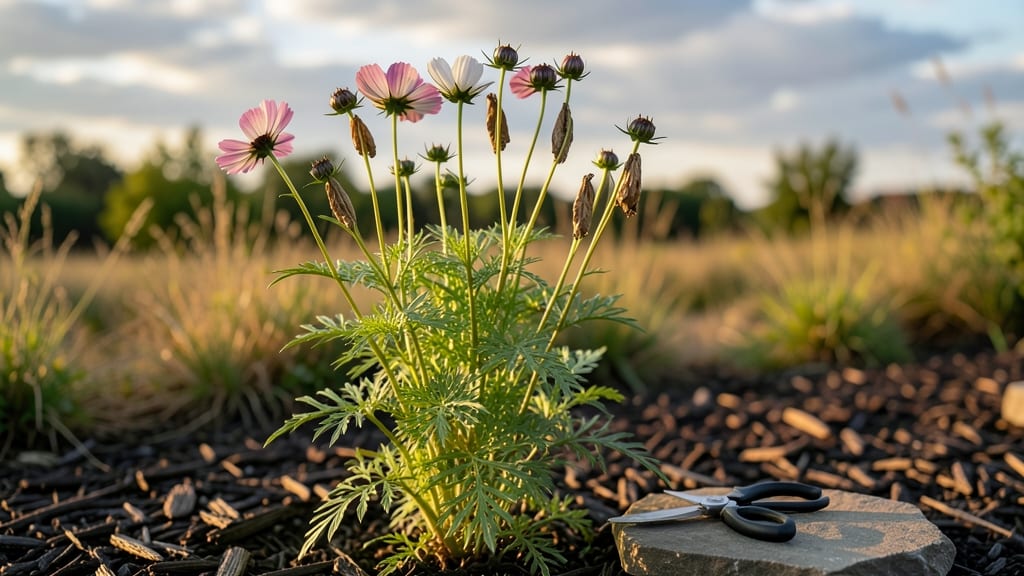
The collection of cosmos seeds from this year’s plants ensures next summer’s garden will burst with free, vibrant blooms—no seed packet required. 🌻 I’ve collected seeds for years, and the difference between store-bought and homegrown is night and day: my plants thrive harder, bloom longer, and adapt perfectly to my climate.
The secret starts with patience—wait until seed heads turn paper-dry and brown, then snip them carefully to avoid scattering. A simple paper bag lets seeds finish drying indoors before storing them in an airtight container.
This method keeps them viable for 3-5 years, so you’ll never need to buy seeds again.
You’ll end up with hardy, true-to-type cosmos that outperform nursery plants in both color and vigor. The first flush of blooms next spring will be shockingly lush, and your neighbors will ask how you do it. Plus, saving seeds cuts costs and ensures you grow exactly the varieties you love.
Works for all cosmos types—dwarf, Sensation, or Seashell—and adapts to any garden size. Ready to turn this year’s blooms into next year’s seeds? Let’s get started with the foolproof steps.
📚 In This Guide
- What you need
- Instructions
- Tips and common mistakes
- Wrapping up and next steps
What you need
- ● Mature cosmos plants: Healthy, fully bloomed plants (preferably Cosmos bipinnatus or Cosmos sulphureus) with seed heads ready for harvest (late summer to early fall).
- ● Sharp pruning shears or scissors: Sterilized, clean tools to avoid spreading disease (1 pair).
- ● Paper bags or breathable seed-saving envelopes: 5–10 brown paper lunch bags or kraft envelopes (label each with the cosmos variety and year).
- ● Permanent marker or labels: For marking seed packets (waterproof if storing outdoors).
- ● Drying rack or screen: A mesh screen, wire rack, or even a clean window screen to air-dry seeds (at least 18" x 18").
- ● Glass jars or airtight containers: Small mason jars or resealable bags for long-term storage (5–10 jars, depending on yield).
- ○ Fine-mesh sieve (optional but helpful): For separating seeds from chaff (if dealing with large quantities).
- ● Desiccant packets: To keep moisture out of storage containers (1–2 packets).
- ● Hand lens or magnifying glass: For inspecting seed quality up close.
- ● Notebook: To log plant details (height, color, bloom time) for future reference.
- ● Seed catalog or app: For cross-referencing cosmos varieties and traits.
Step-by-Step instructions for collecting cosmos seeds
Here's how I harvest seeds from cosmos blooms—no fancy tools, just patience and timing.
🌱 Step 1: Select and Monitor Healthy Blooms
Choose the most vibrant, fully open blooms that have already begun to fade—these are the ones that will produce the best seeds. Cosmos flowers typically transition from bright pink or white to a papery brown when ready. I look for the moment when petals start curling back naturally; this signals the seed head is maturing.
Leave the selected blooms on the plant until they've dried completely on the stem. This usually takes about 10-14 days after the petals first begin to wither. Avoid cutting them too early—immature seed heads won't contain viable seeds, and cutting too late risks seed loss from wind or rain.
⏰ Step 2: Harvest Seed Heads at Peak Dryness
On a dry, sunny morning, gently twist the dried seed head from the stem. You'll feel it pop free once fully mature—it should come away easily without resistance. Place the seed heads in a paper bag (not plastic) to allow airflow while they finish drying indoors. This prevents moisture buildup that could encourage mold.
I like to harvest in small batches over a week or two, especially if my cosmos plants produce blooms continuously. The seed heads should feel light and brittle when fully dry—if they still have any give, leave them on the plant another day or two.
✂️ Step 3: Process and Store Seeds Properly
Once completely dry, open the seed heads over a clean sheet of white paper or a shallow tray. Gently rub the dried heads between your fingers or use a small fork to release the seeds. Cosmos seeds are tiny and flat, often with a slight papery wing. You'll see them scatter easily—they're ready for storage once they're completely dry and no moisture remains.
Transfer the seeds to a small envelope or airtight container labeled with the variety name and harvest date. Store in a cool, dry place—like a pantry or seed drawer—where they'll remain viable for 2-3 years. I always include a note about the growing conditions (sun exposure, soil type) to recreate success next season.
🌿 Step 4: Test Viability Before Next Planting Season
Before sowing saved seeds, do a quick viability test: place 10 seeds between damp paper towels in a sealed plastic bag. Keep them in a warm spot (70-75°F) and check daily. If 70% or more sprout within 7-10 days, your seeds are ready for planting. This simple test saves time and frustration when prepping for next year's garden.
If germination rates are low, consider blending your saved seeds with fresh ones to ensure a full bloom display. Cosmos are self-seeding, so even a few successful sprouts will give you beautiful, carefree blooms again next season.
Tips & tricks for perfect cosmos seed collection
A few simple strategies will help you maximize your cosmos seed harvest and ensure next season's blooms are even more spectacular.
Timing is Everything: The 10-14 day drying period after petals begin to wither is critical for seed development. I've found that harvesting on a dry morning after a few days without rain gives me the best results. This timing ensures the seed heads are fully mature but haven't lost seeds to wind or rain. Mark your calendar when you notice the first blooms beginning to fade—this helps you track the perfect harvest window.
Harvesting Technique: When twisting the seed heads from the stem in Step 2, use a gentle but firm motion. You'll know it's ready when it pops free with just a slight tug—no forcing required. I like to harvest into paper bags because they allow airflow while preventing seeds from scattering. If you harvest too early, the seeds won't be fully developed; if you wait too long, they might fall out before you can collect them.
Storage Wisdom: The 2-3 year viability period mentioned in Step 3 assumes proper storage conditions. I've had best success using small, airtight envelopes with silica gel packets to absorb any moisture. Label each envelope with the variety name and harvest date—this helps you track which seeds to plant first. Store them in a cool, dark pantry rather than the fridge, as temperature fluctuations can reduce viability.
Viability Test Insight: The 70% germination rate in 7-10 days is your benchmark, but don't be discouraged if you get slightly lower numbers. Cosmos seeds are remarkably resilient. If your germination rate is between 50-70%, you can still plant them—just expect a slightly sparser display. For best results, mix your saved seeds with fresh ones at a 1:1 ratio when planting to ensure a full bloom display.
Pro Tips for Cosmos Seed Collection
- A few simple strategies will help you maximize your cosmos seed harvest and ensure next season's blooms are even more spectacular.
- Timing is Everything: The 10-14 day drying period after petals begin to wither is critical for seed development.
- Harvesting Technique: When twisting the seed heads from the stem in Step 2, use a gentle but firm motion.
Frequently asked questions
Got questions about collecting cosmos seeds? You’re not alone! Here are some of the most common queries—and their answers—to help you nail your seed-saving game for next year’s showstopping blooms.
When is the best time to collect cosmos seeds?
Harvest seeds when the cosmos flower heads turn brown and dry out (usually late summer to early fall). Wait until the seed pods are crispy to the touch but haven’t yet burst open—this ensures viability. Pro tip: Collect on a dry, sunny morning for the best results!
How do I know if the seeds are ready to collect?
Ready seeds will rattle when gently shaken (like a tiny maraca!). The flower heads should be completely dry, with seeds inside that look like tiny, papery discs. If they’re still green or moist, give them a few more days. Troubleshooting: Avoid collecting after rain—humidity can spoil seeds.
Can I collect seeds from store-bought cosmos flowers?
Yes, but with a caveat: hybrid varieties (like ‘Bright Lights’ or ‘Sensation’) may not produce true-to-type seeds. For consistent blooms, save seeds from open-pollinated cosmos (check seed packets or labels). If you’re unsure, try collecting anyway—you might get a fun surprise!
How should I store cosmos seeds until planting?
Place seeds in a paper envelope or breathable container, label with the variety/date, and store in a cool, dry place (like a seed jar in your fridge). Cosmos seeds stay viable for 2–4 years if kept dry. Bonus tip: Add a silica gel packet to prevent moisture buildup!
What if my seeds don’t germinate next year?
Don’t panic! Cosmos seeds are light-dependent, so scatter them on bare soil (no burying!) and keep them moist. If germination is slow, try stratification (mix seeds with damp sand and refrigerate for 1–2 weeks). Low humidity or old seeds could also be culprits—start fresh if needed!
Wrapping up and next steps
Collecting cosmos seeds is your gateway to a burst of color next season—simple, rewarding, and full of potential!
With the right timing, tools, and patience, you’ll soon be sharing these cheerful blooms with neighbors or even selling extras. Now’s the perfect time to start planning: mark your calendar, prep your storage, and let nature’s beauty inspire your next gardening adventure. 🌸
🌱 Your Next Step: Start Small, Dream Big
Begin with just a few plants this year, then expand your cosmos empire! Try experimenting with different varieties or even hybridizing for unique hues. Happy growing—your future garden will thank you! 🌻