
Pests
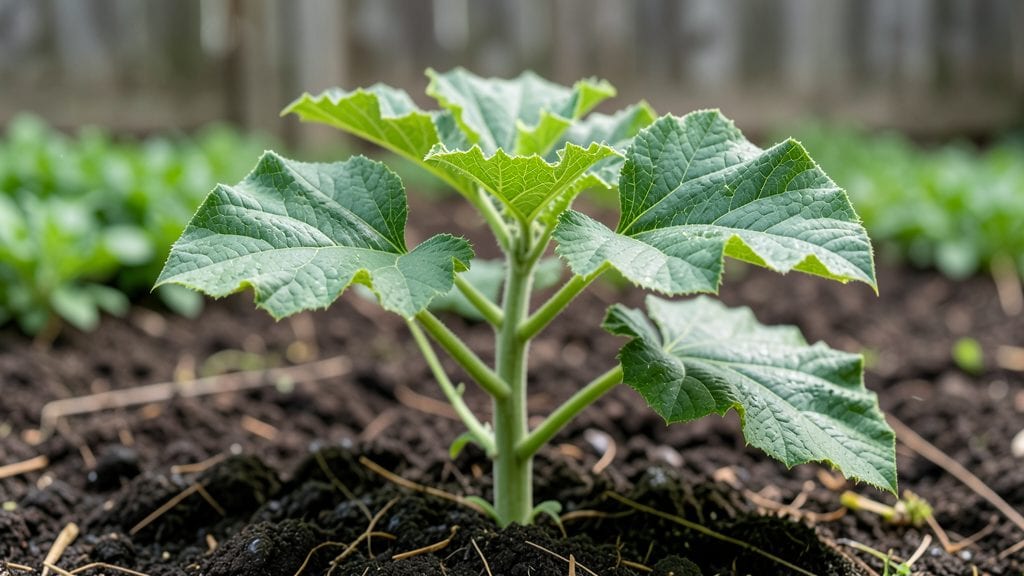
Cucumber seedling leaves curling or yellowing can feel like a death sentence for your plants—but it’s usually fixable. I’ve seen gardeners panic and yank entire seedlings, only to realize they were just dealing with a simple fix.
The key is knowing which leaves to remove and how to do it without shocking the plant.
Most problems start with overcrowding or poor airflow, which invites pests like aphids or fungal spots. When you see the first signs—yellowing lower leaves or sticky residue—don’t grab the scissors yet.
Start by thinning seedlings to 6 inches apart and ensuring they get 6+ hours of sunlight daily. That alone can stop the decline before you even touch a leaf.
If you do need to remove leaves, focus on the bottom two sets—they’re the oldest and least productive. Use clean, sharp scissors to avoid tearing stems, and snip just above a leaf node.
The plant will redirect energy to the vines and flowers, giving you healthier growth and bigger cucumbers by harvest time.
This works for both bush and vining cucumbers, whether you’re growing in pots or the ground. The only real mistake is waiting too long—once the problem spreads to the main stem, you’re fighting a losing battle. Better to act early and keep those plants thriving.
Root Causes Behind Leaf Issues
Understanding why your cucumber seedling leaves develop problems is the first step to fixing them—especially when pests or environmental stress are involved. Below, we break down the key culprits behind damaged, discolored, or missing cucumber seedling leaves, backed by science and actionable insights.
Pests are often the primary reason cucumber seedling leaves suffer.
These unwelcome guests feed on leaves, sap, or even the roots, leaving behind telltale signs like: - Holes or chew marks (e.g., slugs, caterpillars, or beetles) - Yellowing or curling leaves (aphids, spider mites) - Sticky residue (honeydew) (scale insects, whiteflies)
Why it happens: Pests target young seedlings because their soft, tender leaves are easy to penetrate. For example:
- Aphids inject toxins while feeding, causing leaves to wrinkle and distort.
- Spider mites thrive in dry conditions and pierce cells, leading to stippling (tiny white dots).
- Cutworms (larvae of moths) sever stems at soil level, killing seedlings overnight.
💡 Pro Tip: Check the undersides of leaves and soil surface at dusk—pests like slugs and cutworms are most active then.
Cucumber seedlings hate soggy feet. Excess moisture creates the perfect storm for:
- Fungal diseases (e.g., Pythium or Fusarium wilt), which cause yellowing, wilting, or blackened leaves.
- Root rot, where roots suffocate and can’t absorb nutrients, leading to stunted growth and leaf drop.
Why it happens:
- Compacted or clay soil holds too much water, starving roots of oxygen.
- Overhead watering keeps leaves damp, inviting powdery mildew (a fungal foe that looks like white dust).
- Lack of drainage in containers traps water, accelerating rot.
🌡️ Fix It: Use well-draining soil mixes (add perlite or vermiculite) and water at the base—never the leaves.
Cucumber seedlings need balanced sunlight—too much or too little can fry or weaken their leaves.
Why it happens:
- Sunburn (scorch): Direct, intense sunlight (especially in hot climates) causes brown, crispy patches on leaves. This happens when seedlings are transplanted without acclimation (no hardening off).
- Shade stress: Insufficient light leads to pale, leggy growth (etiolation), where leaves stretch toward light and become weak.
Science behind it: Chlorophyll (the green pigment in leaves) breaks down under extreme heat or light deprivation, reducing photosynthesis. Without energy, leaves yellow (chlorosis) or die back.
✨ Solution: Gradually introduce seedlings to morning sun (6+ hours/day) and provide shade cloth if temps exceed 90°F.
Cucumbers are warm-season crops—they struggle outside their ideal 70–85°F (21–29°C) range.
Why it happens:
- Cold snaps (<50°F/10°C): Slow growth, blackened or mushy leaves, and stunted seedlings.
- Heat waves (>95°F/35°C): Leaves curl upward (to reduce water loss) and may develop sunburn (white/yellow patches).
- Frost damage: Ice crystals rupture cell walls, causing brown, soggy leaves that collapse.
🔥 Quick Fix: Use row covers for cold protection or mulch to regulate soil temps. Avoid planting until all frost risk has passed.
Even healthy soil can lack critical nutrients, leading to leaf problems before the plant can recover.
| Symptom | Likely Cause | What It Looks Like |
|---|---|---|
| Yellow lower leaves | Nitrogen deficiency | Pale green/yellow, older leaves first |
| Purple stems/leaves | Phosphorus deficiency | Dark purple veins, slow growth |
| Brown leaf edges | Potassium deficiency | Scorched tips, weak stems |
| New leaves pale | Magnesium (chlorosis) | Yellow between veins, older leaves stay green |
Why it happens:
- Over-fertilizing with nitrogen can burn roots, causing leaf drop.
- Poor soil pH (too acidic/alkaline) locks out nutrients (e.g., iron or zinc).
- Young seedlings deplete seed reserves quickly if not fed.
💪 Action Step: Test soil pH (ideal: 6.0–6.8) and side-dress with compost or a balanced fertilizer (10-10-10).
Herbicides, over-zealous sprays, or salt buildup from tap water can damage cucumber seedlings.
Why it happens:
- Pre-emergent herbicides (like those for weeds) can kill young seedlings if applied too soon.
- Harsh pesticides (e.g., neonicotinoids) may residue on leaves, causing chemical burns (brown spots).
- Salt accumulation (from tap water or fertilizers) disrupts osmosis, leading to wilting or leaf drop.
🎯 Prevent It: Use rainwater or filtered water for seedlings and spot-treat pests with neem oil (gentle and organic).
Quick Fixes for Damaged Seedling Leaves
When your cucumber seedlings show signs of stress—whether from pests, disease, or environmental factors—acting fast is key. Below are targeted solutions for the most common issues affecting young leaves, along with prevention tips to keep your plants thriving.
Each fix is designed to be simple, effective, and gentle on delicate seedlings.
If tiny holes, silk webbing, or yellowing leaves signal pests like aphids, spider mites, or cucumber beetles, prune the damage immediately to prevent spread.
🔪 Step-by-Step Removal
- Inspect Leaves 🔍
- Examine seedlings under bright light. Look for:
- Aphids (sticky residue, curled leaves)
- Spider mites (fine webbing, speckled yellowing)
- Beetles (notched leaf edges, black larvae)
- Pro tip: 💡 Use a hand lens for close-ups—pests hide on undersides!
- Examine seedlings under bright light. Look for:
- Snip Affected Areas ✂️
- Cut only the damaged leaves (never healthy tissue) with sterilized scissors (wipe with rubbing alcohol).
- For severe cases, remove entire lower leaves (they’re less critical for seedlings).
- Dispose of Debris 🗑️
- Seal pests in a ziplock bag and toss it—never compost infested plant matter.
- Apply Natural Repellents 🌿 - Neem oil spray: Mix 1 tsp neem oil + 1 tsp mild soap in 1 quart water. Spray early morning (avoid direct sun). - Insecticidal soap: Targets soft-bodied pests like aphids.
Test on a small leaf first. - Diatomaceous earth: Sprinkle lightly around the base (reapply after watering).
🛡️ Prevention Tips
- Row covers: Use floating fabric to block beetles while allowing light.
- Beneficial insects: Release ladybugs or lacewings (they eat aphids).
- Rotate crops: Avoid planting cucumbers in the same spot yearly.
Overwatering, underwatering, or temperature swings cause soft, mushy, or crispy leaves. Act fast to stabilize seedlings.
💧 Fixing Water-Related Issues
| Problem | Signs | Solution |
|---|---|---|
| Overwatering | Yellow, limp leaves; moldy soil | 🌱 Let soil dry between waterings. Use pots with drainage holes. |
| Underwatering | Crispy edges, wilting at midday | 💦 Water deeply (1–2 inches soil). Use a moisture meter for seedlings. |
| Temperature Shock | Dark spots, stunted growth | 🌡️ Move to 60–85°F (ideal range). Use shade cloth if too hot. |
🌡️ Prevention Tips
- Mulch: Add straw or grass clippings to retain moisture without soggy roots.
- Consistent schedule: Water early morning (avoids fungal growth).
- Hardening off: Gradually expose seedlings to outdoor temps over 7–10 days.
Powdery mildew or downy mildew appear as white/fuzzy patches or yellow spots. Remove infected leaves immediately to stop spores from spreading.
🧼 Step-by-Step Treatment
- Trim Infected Leaves ✂️
- Cut 1 inch below the affected area to ensure you remove all spores.
- Sterilize Tools 🧴
- Wipe scissors with 70% isopropyl alcohol between cuts.
- Apply Fungicide 🍄
- Baking soda spray: Mix 1 tbsp baking soda + 1 tsp soap + 1 gallon water. Spray every 7 days.
- Copper fungicide: Follow label rates for seedlings (less toxic than chemical options).
🛡️ Prevention Tips
- Airflow: Space seedlings 12–18 inches apart for circulation.
- Avoid overhead watering: Use a drip irrigation or water at the base.
- Rotate crops: Don’t plant cucumbers where nightshades (tomatoes, peppers) grew last year.
Pale or purple-tinged leaves signal nitrogen (N) or magnesium (Mg) deficiency. Young seedlings need gentle nutrition—don’t overdo it!
🍽️ Quick Fixes
- Nitrogen deficiency (pale leaves):
- Fix: Add compost tea or a balanced 10-10-10 fertilizer (diluted to half strength).
- Avoid: High-nitrogen fertilizers (burns seedlings).
- Magnesium deficiency (yellow between veins):
- Fix: Spray Epsom salt solution (1 tbsp per gallon of water) once a week for 2 weeks.
🛡️ Prevention Tips
- Start slow: Use fish emulsion (1 tbsp per gallon) for organic nitrogen.
- Test soil: A $20 home kit checks pH and nutrient levels before planting.
- Mulch with compost: Adds nutrients slowly over time.
If more than 50% of leaves are damaged or seedlings show no signs of recovery after 1 week, it’s kinder to replace them. Use the space for a new batch—seedlings are cheap and replaceable!
Final Pro Tip ✨: Keep a plant journal! Note what worked (or didn’t) for your cucumber seedlings. Next season, you’ll spot problems faster and save your harvest. 🌱💚
Frequently asked questions
Why are my cucumber seedling leaves turning yellow first?
Yellowing on lower leaves is usually a sign of overwatering or nutrient deficiency. Cucumber seedlings prioritize energy to new growth, so older leaves yellow as the plant redirects resources. Check soil moisture—it should be damp but not soggy—and consider a balanced fertilizer to restore nutrients.
Can I safely remove seedling leaves to help the plant grow?
Yes! Focus on removing the bottom two sets of leaves—they’re the oldest and least productive. Use clean scissors to snip just above a leaf node, which helps the plant redirect energy to vines and flowers. Just avoid removing more than 20% of the foliage at once to prevent stress.
What’s the best way to prevent pests from damaging cucumber seedling leaves?
Start with proper spacing (6+ inches apart) to improve airflow and deter pests. Use row covers for early protection, and introduce beneficial insects like ladybugs or lacewings. Inspect leaves regularly—pests like aphids or spider mites thrive on the undersides of young leaves.
How do I know if my cucumber seedling leaves have a fungal infection?
Look for white powdery spots (powdery mildew) or yellow patches with fuzzy growth (downy mildew). Remove infected leaves immediately and apply a baking soda spray (1 tbsp baking soda + 1 tsp soap per gallon of water). Avoid overhead watering to prevent spreading spores.
Should I worry if my cucumber seedling leaves are curling?
Curling can mean underwatering, heat stress, or pest damage. Check soil moisture first—curling often appears when roots can’t absorb enough water. If the issue persists, inspect leaves for pests (like aphids) or provide shade cloth if temperatures exceed 90°F (32°C).