
Lawn
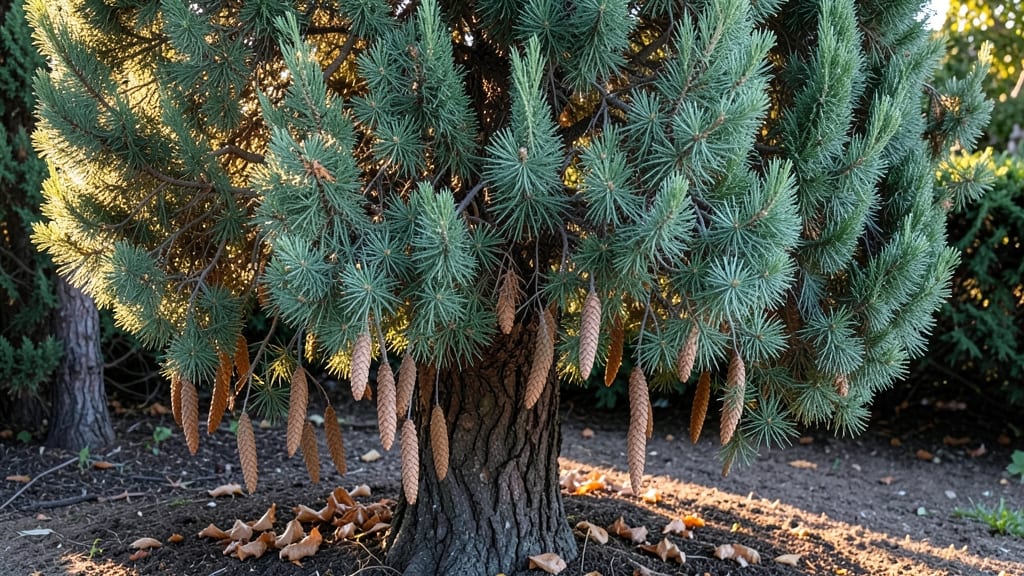
Harvesting cypress seed pods turns your yard into a natural nursery for future privacy screens. 🌿 The moment those woody cones turn from green to brown, they're ready—just don't wait too long or the seeds scatter.
I've collected hundreds over the years, and the key is knowing exactly when to pick them without losing a single seed.
You'll need just a few tools: sharp pruning shears, a bucket, and a dry storage spot. Once you've gathered the pods, crack them open to release the seeds—some gardeners soak them first to speed up germination, while others prefer cold stratification for better results.
The process is simple, but timing matters most for healthy seedlings.
Within 6-8 weeks, you'll see tiny sprouts pushing through the soil, and by their first summer, they'll be tall enough to plant out. These young cypress trees grow slowly but steadily, offering lush, year-round privacy that requires almost no maintenance once established.
Works best in zones 7-10, but with proper care, you can coax them along in cooler climates too. The secret? Patience—these trees take time, but the payoff is worth every minute of waiting for those first green needles to appear.
📚 In This Guide
- What you need
- Instructions
- Tips and common mistakes
- Wrapping up and next steps
What you need
- ● Cypress seed pods (fresh or dried) – Collect from mature trees or purchase from a nursery. Aim for 50–100 pods for a small garden or hedge.
- ● Cypress seeds (if not extracting from pods) – Buy from a reputable supplier (e.g., Leyland cypress or Italian cypress seeds). Plan for 10–20 seeds per plant (germination rates vary!).
- ● Well-draining soil mix – Combine 60% native soil, 30% peat moss or coconut coir, and 10% perlite/sand for optimal aeration.
- ● Organic compost – 1–2 cups per planting hole to enrich soil fertility.
- ● Mulch (pine straw or shredded bark) – 2–3 inches to retain moisture and suppress weeds.
- ● Garden gloves – Protect your hands from sharp seed pods and soil.
- ● Pruning shears – For trimming seed pods or shaping young plants.
- ● Trowel or transplant spade – To dig planting holes (aim for 2–3 times wider than the root ball).
- ● Watering can or hose with a gentle spray nozzle – Cypress seedlings need consistent moisture without waterlogging.
- ○ pH testing kit (optional) – Ideal soil pH for cypress: 5.0–7.0.
- ● Fertilizer (balanced or acidic, e.g., 10-10-10 or iron sulfate) – Apply once in early spring.
- ● Sunlight – Full sun to partial shade (6+ hours of sunlight daily).
- ● Spacious planting area – Cypress trees grow 30–60 feet tall; space saplings 10–15 feet apart for privacy hedges.
- ● Patience – Germination takes 2–4 weeks; full maturity may take 10+ years.
How to grow cypress trees from seed pods for privacy screens
Here's how to grow your own cypress trees from seed pods—no nursery trips needed.
🌱 Step 1: Collect and Prepare the Seed Pods
Find mature cypress seed pods from your yard or a local tree (they look like tiny pinecones). Collect them in late summer or early fall when they're brown and starting to open. Place the pods in a paper bag and let them dry indoors for 1-2 weeks—this mimics winter conditions and helps break seed dormancy.
Once dry, gently crush the pods with your hands or a hammer to release the tiny seeds. Don't worry if some shells remain—the seeds will still germinate. Store the seeds in a cool, dry place until you're ready to plant them in early spring when soil temperatures warm to 60°F or above.
💧 Step 2: Stratify the Seeds for Better Germination
Cypress seeds need a cold period to germinate well. Mix the seeds with moistened sand or peat moss in a sealed plastic bag. Place the bag in your refrigerator for 4-6 weeks, checking occasionally to ensure the mix stays damp but not soggy. This cold stratification mimics winter and tricks the seeds into thinking they've survived the cold months.
After the cold treatment, remove the seeds from the fridge and let them sit at room temperature for 2-3 days before planting. You'll see tiny roots emerge within 1-2 weeks—this is your signal that germination is underway. If you skip this step, germination rates drop dramatically, and seeds may take months to sprout.
☀️ Step 3: Plant the Seeds in a Sunny, Well-Drained Spot
Cypress trees thrive in full sun to partial shade and need well-draining soil to prevent root rot. Dig a hole twice as wide as the seed but only 1 inch deep—cypress seeds are tiny and shouldn’t be buried too deeply. Space your seedlings 6-8 feet apart to allow for future growth into a dense privacy screen.
Mix the collected seeds with a little sand to help distribute them evenly. Water the soil lightly before planting, then cover the seeds with a thin layer of soil. Press down gently to ensure good soil-to-seed contact. After planting, water the area once a week with 1 inch of water—enough to keep the soil moist but not waterlogged.
🌿 Step 4: Care for Seedlings Until They Mature
Cypress seedlings grow slowly at first, so patience is key. Keep the soil consistently moist during the first 6-12 months, then gradually reduce watering to once every 2 weeks once the plants establish deeper roots. Mulch around the base with 2-3 inches of organic mulch (like wood chips) to retain moisture and suppress weeds.
Fertilize lightly in early spring with a balanced, slow-release fertilizer (like 10-10-10). Avoid heavy feeding—they prefer lean soil. Prune only to remove dead or diseased branches; cypress trees naturally grow into a dense, columnar shape. Within 5-10 years, your seedlings will grow into a 15-20 foot tall privacy screen with minimal care.
✂️ Step 5: Maintain and Enjoy Your Privacy Screen
Once established, cypress trees need very little maintenance. Water deeply once a month during dry spells, and prune only to shape the screen or remove any branches that block sunlight from reaching the center. They’re naturally resistant to pests and diseases, making them a low-maintenance choice for year-round privacy.
Watch for new growth in early spring—this is your cue that the trees are thriving. Cypress trees stay evergreen all year, providing lush, green privacy without seasonal changes. With proper spacing and care, your screen will grow dense enough to block wind and noise within 3-5 years.
Tips & tricks for growing cypress trees from seed pods
A few key insights will help you maximize your success with these low-maintenance evergreens.
The Timing Factor: Those 1-2 weeks of drying in Step 1 are crucial—don't rush this process. Place your seed pods in a well-ventilated area where they can dry completely. If you're in a humid climate, consider using a small fan to speed up drying while preventing mold. The goal is to mimic natural winter conditions that break seed dormancy, so patience here pays off later with better germination rates.
Stratification Secrets: During the 4-6 weeks of cold stratification in Step 2, keep your sealed bag in the crisper drawer of your refrigerator where temperatures stay most consistent. I like to label the bag with the date to track progress. After removing from cold, those 2-3 days at room temperature are equally important—they help prevent shock when seeds transition to warmer planting conditions.
Planting Precision: When planting in Step 3, use a small stick or pencil to create those 1-inch deep holes—it gives you better control than digging with your fingers. The 6-8 feet spacing might seem generous now, but it prevents overcrowding as your trees mature into a dense screen. Mark planting locations with stakes if you're working alone to maintain proper spacing.
Long-Term Care: The 6-12 months of consistent moisture in Step 4 is where most failures happen. I recommend using a moisture meter to check soil depth—cypress roots need consistent dampness but hate soggy conditions. Once established, the once-a-month watering in Step 5 is a game-changer for low-maintenance growth, especially in drought-prone areas.
Pro Tips for Cypress Seed Pods
- A few key insights will help you maximize your success with these low-maintenance evergreens.
- The Timing Factor: Those 1-2 weeks of drying in Step 1 are crucial—don't rush this process.
- Stratification Secrets: During the 4-6 weeks of cold stratification in Step 2, keep your sealed bag in the crisper drawer of your refrigerator where temperatures stay most consistent.
Frequently asked questions
Got questions about cypress seed pods? You’re not alone! Here are some of the most common inquiries—plus straightforward answers to help you make the most of these unique evergreens.
Are cypress seed pods toxic to pets or children?
Cypress seed pods themselves aren’t highly toxic, but the sap and needles can cause mild stomach upset if ingested in large quantities. Keep an eye on curious pets or kids—especially if they chew on fallen pods. Opt for pet-safe alternatives like Italian cypress if you’re worried.
How long does it take for cypress seed pods to form?
Most cypress trees (like Cupressus varieties) take 2–5 years to produce seed cones, depending on the species and growing conditions. Female trees bear the iconic woody pods, while males produce pollen cones. Patience pays off—mature trees (10+ years) yield the most dramatic displays!
Can I grow a cypress tree from a seed pod?
Yes, but it’s tricky! Seed pods contain tiny seeds that need stratification (cold treatment) for germination. Soak the seeds in water for 24 hours, then plant them in moist soil and refrigerate for 30–60 days. Success rates vary—consider grafting or buying young plants for faster results.
What’s the best way to prune cypress seed pods without harming the tree?
Use clean, sharp pruners to trim dead or overgrown pods in late winter/early spring. Avoid cutting into live branches—focus on brown, woody pods only. Sterilize tools with rubbing alcohol to prevent disease. Pro tip: Wear gloves—some sap can irritate skin!
Are there cypress alternatives with similar seed pods but lower maintenance?
If cypress seed pods seem high-maintenance, try these low-care lookalikes:
- Arborvitae (Thuja spp.): Dense, evergreen, and deer-resistant (but no seed pods).
- Juniper (Juniperus spp.): Berry-like cones and drought-tolerant.
- Italian Cypress (Cupressus sempervirens): Tall, slender, and pod-free (but still striking!).
Wrapping up and next steps
Cypress seed pods offer a low-maintenance, evergreen solution for year-round privacy and beauty in your landscape—without the fuss! 🌿 Whether you're drawn to their unique texture, durability, or wildlife-friendly appeal, these resilient plants prove that stunning results don’t require endless upkeep.
Ready to transform your outdoor space? Start by choosing the right location, prepping the soil, and planting your seed pods with confidence—your future privacy screen is just a few steps away!