
Pruning
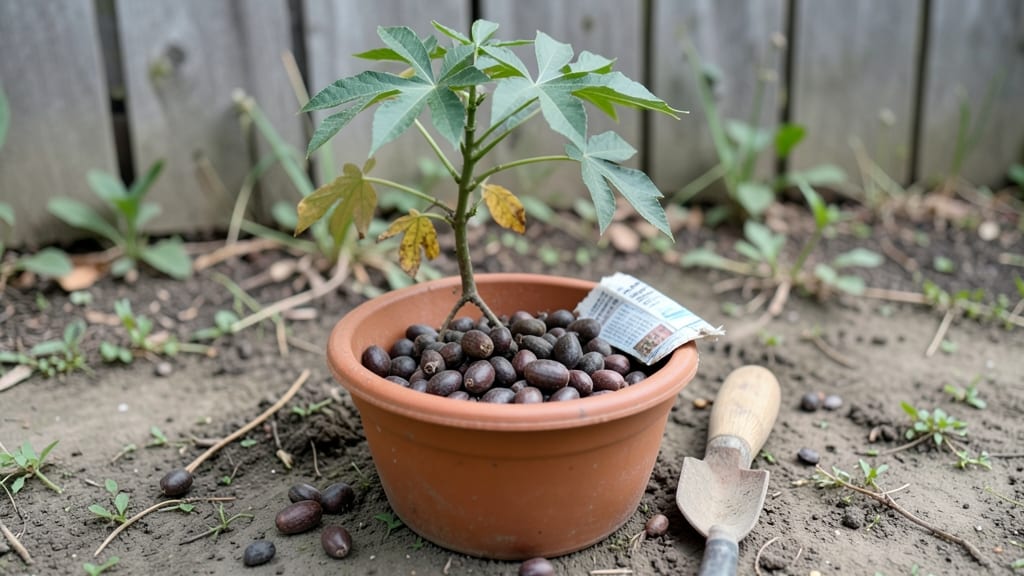
Yes, Dollar Tree sells seeds—typically in small packets of flowering annuals, herbs, and veggies like marigolds, sunflowers, basil, and cherry tomatoes. However, selection varies by location and season, with stock often limited compared to garden centers.
You’ll find these seeds in the seasonal gardening section, usually priced around $1.25 per packet. 🌱 While the variety is modest, it’s a great budget-friendly starting point for beginners or those looking to supplement their garden.
I always check for Burpee or Park Seed labels—these brands tend to have reliable germination rates. Just note that packets often contain only 10-20 seeds, so bulk buying elsewhere may be more cost-effective for larger projects.
For a wider selection, I recommend pairing Dollar Tree finds with bulk purchases from Tractor Supply or online retailers like Amazon. Many gardeners also participate in seed swaps or library programs for free alternatives.
The key is balancing convenience with quantity—Dollar Tree works well for small-scale planting or testing new varieties before investing in larger quantities.
💡 In This Article
- Types of Seeds Available at Dollar Tree
- Best Alternatives for Affordable Gardening Seeds
Types of seeds available at Dollar Tree
Dollar Tree's seed selection typically falls into three main categories: flowering annuals, herbs, and compact vegetables.
The flowering annuals are the most common, with vibrant options like marigolds (known for their pest-repelling properties), sunflowers (which can reach heights of 3-6 feet in a single season), and cosmos (drought-tolerant and easy to grow).
These varieties are popular because they offer quick visual rewards—many bloom within 6-8 weeks of planting, making them ideal for beginners or small-space gardens.
The herb selection usually includes basil, parsley, and chives, all of which are prized for their culinary uses.
Basil, for example, thrives in warm climates and can produce 20-30 leaves per plant when grown in full sun, while parsley's slow-growing nature (taking 4-6 weeks to mature) makes it a reliable choice for gardeners who prefer low-maintenance plants.
Vegetables tend to be limited to cherry tomatoes (which produce 50-100 tomatoes per plant in ideal conditions) and sometimes lettuce or radishes, both of which mature quickly (30-45 days).
Seasonal availability plays a huge role in what you'll find. Spring and summer are prime times for seed stock, with packets often labeled for warm-season crops like tomatoes and sunflowers. In fall, you might spot cool-season varieties such as lettuce or radishes, though selection is usually sparse.
Brands like Burpee and Park Seed dominate the shelves, known for their reliable germination rates—Burpee seeds, for instance, boast a 90% germination rate for many varieties.
However, packet sizes are intentionally small, typically containing 10-20 seeds, which makes them perfect for small gardens or testing new varieties before committing to larger purchases.
What most people don't realize is how the packaging influences germination success. Dollar Tree seeds often come in thin, lightweight packets that lack the detailed growing instructions found in premium brands.
For example, a sunflower seed packet might not specify whether the variety is dwarf (2-3 feet) or giant (10+ feet), which can lead to surprises in space requirements. The seeds themselves are usually untreated, meaning they require proper moisture, light, and temperature (typically 60-75°F) to sprout effectively.
This lack of treatment also means they’re less likely to be coated with fungicides, which can be a pro for organic gardeners but a con for those in humid climates where mold risks are higher.
If you're planning to grow from these seeds, consider starting indoors 4-6 weeks before the last frost date in your area. This gives delicate plants like basil or lettuce a head start, compensating for the limited quantity in each packet.
For example, a single basil packet might yield only 3-5 usable plants, which is enough for a small herb garden but insufficient for large-scale cooking. Pairing these with seedling transplants from garden centers can help fill gaps in your planting plan while keeping costs low.
One unexpected perk of Dollar Tree seeds is their affordability for experimenting. For instance, trying five different sunflower varieties would cost $6.25 at Dollar Tree versus $25+ at a garden center. This makes it easy to test which varieties thrive in your specific climate or soil conditions.
Just be prepared to supplement with additional packets or bulk seeds if you want to scale up your garden. 💫