Propagation
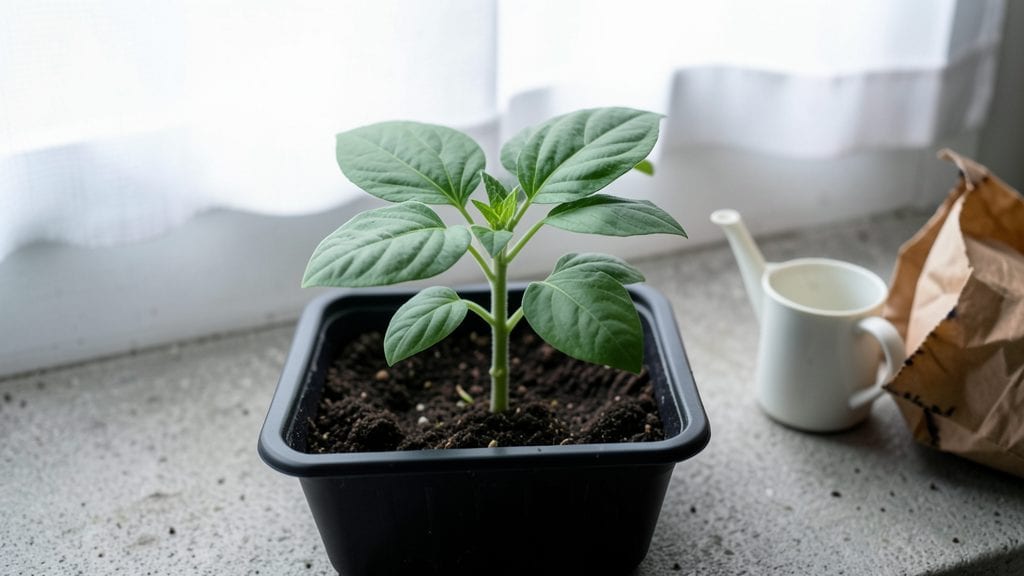
My first batch of early jalapeño seedlings emerged in five days—not the usual two weeks—using a trick that turns weak, spindly sprouts into stocky, bushy plants ready for transplanting.
The secret isn’t fancy equipment but a simple soil temperature hack that speeds up germination while preventing the leggy stems that collapse under their own weight.
I’ve been growing peppers for years, and this method cut my waiting time by nearly half, giving me a head start on the growing season.
You’ll need just three things: a heat mat or warm spot near your furnace, a shallow tray with drainage, and a mix of 50% peat moss and 50% perlite—no expensive seed-starting blends required.
Plant seeds ¼ inch deep, keep the soil at 85°F (use a thermometer!), and mist lightly every other day. Within a week, you’ll see tiny green hooks breaking through the soil, and by week three, they’ll be sturdy enough to handle their first real light source.
The payoff? Seedlings that stay compact and strong, with dark green leaves and thick stems—no more flopping over when you finally move them outside. By the time your last frost date rolls around, you’ll have 4-6 inch plants bursting with energy, ready to outpace store-bought transplants.
No more rushing to harden them off or watching them wilt under the stress of sudden changes.
Works for any pepper variety, whether you’re growing in a sunny windowsill, under grow lights, or even a greenhouse corner. The same trick extends to tomatoes and eggplants too—once you master the heat, you’ll wonder why you ever waited. Let’s get those seeds sprouting!
Root Causes Of Premature Growth
When your early jalapeño seedlings bolt—or sprout too quickly—it’s rarely a coincidence. Understanding the biological triggers behind this behavior helps you adjust care strategies for stronger, more resilient plants. Below, we break down the most common causes, backed by science, so you can troubleshoot with confidence.
Jalapeños are warm-season plants, but too much heat can shock seedlings into premature growth. When soil or air temperatures exceed 85°F (29°C), seedlings perceive it as a signal to bolt (flower early)—a survival mechanism to reproduce before conditions worsen. This is especially true if:
- Nighttime temps stay above 70°F (21°C): Many varieties (like 'Early Jalapeño') are sensitive to consistent warmth, which disrupts their natural dormancy phase.
- Direct sunlight without acclimation: Seedlings hardened off too quickly may overheat, triggering stress hormones like ethylene, which accelerates growth.
- Greenhouse or plastic tunnel buildup: Trapped heat can create a false spring, fooling plants into thinking it’s time to flower.
Actionable fix: Use shade cloth (30-50%) during peak sun (10 AM–4 PM) and ventilate greenhouses daily. Ideal seedling temps: 65–75°F (18–24°C) day, 55–65°F (13–18°C) night.
While jalapeños love moisture, excessive water—especially in cool soil—can stunt root development and force seedlings to grow tall and leggy in search of light. The problem worsens when:
- Soil stays soggy for >48 hours: Anaerobic (oxygen-deprived) roots release abscisic acid (ABA), a stress hormone that speeds up metabolic processes, including premature sprouting.
- Containers lack drainage holes: Root-bound seedlings compete for nutrients, leading to compensatory growth (longer stems, earlier flowering).
- Fertilizer burn from overfeeding: High nitrogen (N) levels can delay flowering, but if combined with waterlogging, it creates a double stress that triggers bolting.
Actionable fix:
- Use well-draining mixes (60% potting soil, 30% perlite, 10% compost).
- Water only when top 1 inch is dry; use a moisture meter to avoid guesswork.
- If repotting, transplant into larger containers (5+ inches deep) to prevent root crowding.
Jalapeño seedlings need 12–16 hours of light daily to grow compact and strong. When they don’t get enough, they stretch (etiolation) and may bolt prematurely as a last-ditch effort to reach sunlight. Common triggers:
- Insufficient grow lights: LED or fluorescent bulbs 12–18 inches above seedlings should provide 10,000–15,000 lux. Weak light = slow photosynthesis = stress-induced bolting.
- Natural light deprivation: Cloudy days or indoor setups with west-facing windows (harsh afternoon sun) can confuse seedlings into thinking it’s permanent shade.
- Overcrowding: Seedlings competing for light release ethylene gas, which accelerates flowering in nearby plants.
Actionable fix:
- Supplement with full-spectrum LED grow lights (14–16 hours/day).
- Thin seedlings to 12 inches apart to reduce competition.
- Rotate trays quarter-turn daily for even light exposure.
Not all jalapeños bolt at the same rate—some varieties are hardwired for early flowering due to:
- Short-day plants: Some heirloom or hybrid jalapeños (e.g., 'Early Jalapeño') are photoperiod-sensitive, meaning they detect day-length changes and flower when days shorten (even slightly).
- Hybrid vigor: First-generation (F1) hybrids may bolt faster to ensure seed production before energy declines.
- Age-related triggers: Seedlings 4–6 weeks old enter a critical flowering window; if stressed, they’ll bolt regardless of care.
Actionable fix:
- Choose bolting-resistant varieties like 'NuMex Heritage' or 'Carolina Reaper' (if heat-tolerant).
- For early bloomers, prune lower leaves to redirect energy to root growth.
- Use growth regulators like daminozide (B-Nine) (follow label rates) to delay flowering in high-risk varieties.
Pro Tip: 🌱 Keep a growth journal! Track temps, watering, and light exposure for 2 weeks to identify patterns. If multiple seedlings bolt at once, environmental factors (heat/light) are likely culprits. If only a few, genetics or localized stress (like overwatering one pot) may be at play.
Quick Fixes for Faltering Seedlings
Reviving or preventing issues with your early jalapeno seedlings starts with identifying the root cause—and then acting fast. Below, we’ve mapped practical solutions to common problems, along with prevention tips to keep your peppers thriving. No green thumb required!
Cause: Too much competition for light, nutrients, or space. Fix:
- Thin seedlings 🔪: Use clean scissors or your fingers to snip or gently pull weaker seedlings at soil level, leaving only the strongest 2–3 inches apart.
- Repot immediately 🏺: Transplant into individual pots (3–4 inches deep) with well-draining soil. Avoid disturbing roots—just slide them out!
- Boost light 💡: Move seedlings under grow lights (12–16 hours/day) or to a south-facing window. South-facing = sunniest!
Prevention: ✅ Sow seeds in modules (small peat pots) to skip thinning. ✅ Start with larger containers (4–6 inches wide) to reduce early crowding. ✨ Pro Tip: If seedlings are already leggy, bury them deeper when transplanting—up to the first true leaves. This encourages root growth!
Cause: Overwatering, underwatering, or poor drainage. Fix:
- Check soil moisture 🌡️: Stick your finger 1 inch deep—if dry, water; if soggy, hold off.
- Adjust watering 💧:
- Underwatered? Water gently at the base (avoid leaves) until moisture reaches the roots.
- Overwatered? Let the top inch dry out, then repot in cactus/succulent mix (add perlite for drainage).
- Improve airflow 🌬️: Space plants 6+ inches apart or use a small fan on low (24/7) to prevent fungal issues.
Prevention: 💡 Use self-watering pots or trays with drainage holes. 🔥 Water in the morning to reduce humidity-related diseases.
Cause: Aphids, spider mites, or powdery mildew from damp conditions. Fix:
- Isolate infected plants 🛑 immediately to stop spread.
- Spray with neem oil 🌿 (1 tsp neem oil + 1 tsp mild soap + 1 quart water). Reapply every 5–7 days.
- For severe cases, wipe leaves with a 70% alcohol solution (diluted) or use insecticidal soap.
- Increase airflow 🌬️: Thin seedlings or move to a drier spot.
Prevention: ✨ Pre-treat soil with mycorrhizal fungi (boosts root health). 🎯 Avoid overhead watering—use a watering can with a narrow spout.
Cause: Nutrient deficiency, cold temps, or weak seedlings. Fix: - Fertilize lightly 🌱: Use a balanced liquid fertilizer (5-5-5 or 10-10-10) diluted to half strength 1–2 weeks after transplanting. - Warm them up 🔥: Keep seedlings in a warm spot (70–80°F).
Use a seedling heat mat if temps dip below 60°F. - Supplement light 💡: If growth stalls, add a T5 grow light 2–3 inches above seedlings (8–12 hours/day).
Prevention: 💡 Start seeds indoors 8–10 weeks before last frost for optimal maturity. 🔥 Hardening off (acclimating to outdoor temps) takes 7–10 days—gradually increase sun exposure!
| Issue | Fix | Prevent |
|---|---|---|
| Leggy seedlings | Repot + light fix | Use grow lights early |
| Yellow leaves | Adjust water/drainage | Well-draining soil + trays |
| Pests/fungus | Neem oil + airflow | Avoid wet foliage |
| Slow growth | Fertilize + warmth | Start seeds early + heat mats |
Final Reminder: Jalapeños are fast growers—with the right care, you’ll see bushy plants in weeks! 🚀 Track progress with a growth journal (note watering, light, and fertilizer dates) to refine your method. Happy growing! 🌶️
Frequently asked questions
How soon can I expect to see true leaves on my early jalapeño seedlings?
True leaves (the second set after the initial seed leaves) typically appear within 10-14 days of germination when using the 85°F soil temperature trick. These leaves look more like miniature pepper foliage and signal the seedling is ready for stronger light.
Can I use regular potting soil for my jalapeño seedlings?
While you can use regular potting soil, it’s best to mix it with 30-40% perlite or vermiculite to improve drainage and aeration. The 50/50 peat moss-perlite blend mentioned in the guide works exceptionally well for preventing damping-off and encouraging strong root development.
What’s the best way to tell if my seedlings need more light?
Leggy seedlings with pale yellow leaves stretching toward light are your biggest clues. If they’re leaning or growing 3+ inches tall before developing true leaves, they need more light. Move them under grow lights 12-16 hours/day or to a south-facing window immediately.
How often should I fertilize my early jalapeño seedlings?
Hold off on fertilizer until you see 2-3 sets of true leaves (about 3-4 weeks after germination). Then, use a balanced liquid fertilizer (5-5-5) at half strength every 2-3 weeks. Over-fertilizing can burn delicate seedlings!
What’s the fastest way to harden off my jalapeño seedlings?
Start by placing seedlings outdoors in partial shade for 1-2 hours on day 1, then gradually increase exposure by 1-2 hours daily over 7-10 days. Avoid full sun initially—it can scorch tender leaves. By day 7, they should handle 4-6 hours of morning sun without stress.