
Lawn
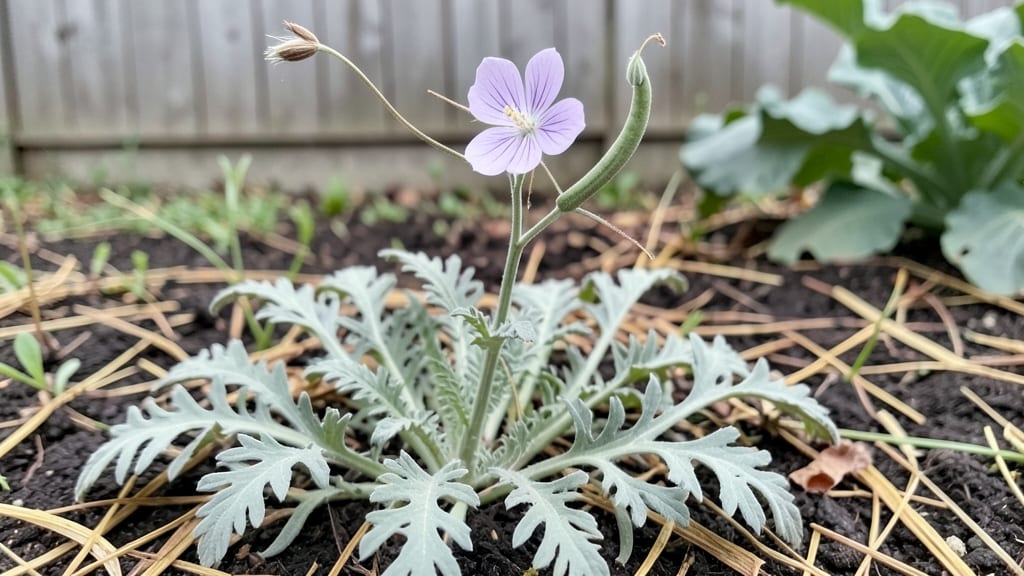
Growing Erodium cicutarium seeds might sound tricky, but I’ve turned my dry, rocky slope into a thriving display of delicate pink blooms with almost no effort. 🌿 This drought-tolerant annual thrives where most plants would struggle, making it perfect for slopes, poor soil, or areas that need erosion control without constant watering.
The secret lies in its no-fuss nature: scatter seeds in well-draining soil, press them lightly into place, and let nature handle the rest. Unlike finicky annuals, Erodium pops up reliably in spring without fuss—even in full sun where lawns would crisp.
Just keep the soil dry after planting, and you’ll see those signature lacy flowers by late spring.
By summer, your slope transforms into a self-sustaining carpet of color, with blooms lasting until frost. The plants even reseed themselves, so once established, you’ll have years of effortless beauty. It’s the kind of plant that makes you wonder why you ever watered anything else.
Works best in zones 3-9, but even in hotter climates, it bounces back after summer dormancy. Here’s how to get started without the guesswork—no green thumb required.
📚 In This Guide
- What you need
- Instructions
- Tips and common mistakes
- Wrapping up and next steps
What you need
- ● Erodium cicutarium seeds: 1–2 lbs (or ~2,000–4,000 seeds, depending on coverage goals). Opt for organic, non-GMO seeds for best results.
- ● Garden soil or potting mix: 1–2 cubic yards (for direct sowing) or 1–2 bags (for containers). Use well-draining, slightly sandy soil (pH 6.0–7.5).
- ● Rake or hoe: Medium-sized (for loosening soil and creating furrows).
- ● Watering can or hose with a gentle spray nozzle: For even moisture distribution.
- ○ Garden twine or stakes (optional but helpful): If sowing in rows for organization.
- ● Seedling trays or biodegradable pots: For starting seeds indoors (6–8 weeks before last frost).
- ● Compost or slow-release fertilizer: 5–10 lbs (10-10-10 NPK ratio) to boost soil health.
- ● Mulch (straw or pine needles): 1–2 inches to retain moisture and suppress weeds.
- ● Pruners or shears: For trimming spent blooms to encourage regrowth.
- ● Gloves and knee pads: For comfort during planting and maintenance.
How to grow Erodium cicutarium seeds for stunning, low-water landscapes
This hardy annual thrives with minimal fuss—here’s how to establish it fast and keep it blooming.
🌱 Step 1: Prepare the Soil and Planting Site
Erodium cicutarium loves well-draining soil and full sun, so choose a spot with at least 6 hours of direct sunlight daily. Clear the area of weeds and loosen the top 6 inches of soil with a garden fork. This plant tolerates poor soil but grows best in a mix of native soil and 20% compost—just spread the compost evenly over the planting area and lightly rake it in.
If your soil drains poorly, mix in sand or perlite to improve aeration. The key is avoiding soggy roots—Erodium cicutarium wilts quickly in waterlogged conditions. Test drainage by digging a 6-inch hole, filling it with water, and checking if it drains within 30 minutes. If not, amend further before planting.
🌱 Step 2: Sow Seeds at the Right Depth and Spacing
Scatter seeds thinly over the prepared soil—don’t bury them deep. Press them lightly into the top ⅛ inch of soil with your fingers or a small board. Planting too deep delays germination because the seeds need light to sprout. Space seeds 12-18 inches apart for full, bushy plants with plenty of blooms. Crowding leads to leggy stems and fewer flowers.
Water gently with a fine spray to settle the seeds without disturbing them. Keep the soil evenly moist but not soggy until germination, which typically occurs in 7-14 days. Avoid heavy watering—it washes seeds away or buries them too deep. A light misting every 2-3 days maintains ideal moisture without over-saturating the soil.
☀️ Step 3: Provide Minimal Care for Fast Establishment
Once seedlings emerge, reduce watering to once a week—Erodium cicutarium is drought-tolerant once established. The first true leaves appear in 2-3 weeks, signaling it’s time to thin seedlings if overcrowded. Snip unwanted plants at soil level with clean scissors, leaving the strongest 6-inch-tall stems spaced 12 inches apart.
Fertilize lightly with a balanced, slow-release granular fertilizer (10-10-10) at planting and again 6 weeks later. Over-fertilizing encourages leafy growth over blooms. Mulch with 1 inch of gravel or coarse sand to suppress weeds and retain moisture without smothering the shallow roots. This plant thrives with neglect but rewards attention with vibrant, long-lasting flowers.
✂️ Step 4: Encourage Blooms and Maintain Health
Deadhead spent flowers by pinching off faded blooms at the base—this redirects energy to new growth and prolongs flowering. Erodium cicutarium self-seeds prolifically, so you’ll likely see volunteers popping up the following year. If you prefer controlled growth, remove seed heads before they mature. The plant’s claw-like seed pods are a unique feature; leave a few to dry for natural propagation.
Watch for aphids or spider mites, which occasionally target stressed plants. A strong spray of water usually dislodges them, but severe infestations may require neem oil. This plant rarely suffers from pests, thanks to its drought tolerance and resilience. By mid-summer, your Erodium cicutarium will form a dense, flowering ground cover that requires almost no maintenance beyond occasional deadheading.
Tips & tricks for perfect Erodium cicutarium growth
Here's what I've learned from years of growing this drought-resistant beauty—small details make all the difference.
Soil Test First: That 30-minute drainage test in Step 1 is crucial—don't skip it! I've seen Erodium cicutarium plants wilt dramatically within hours when planted in heavy clay. If your soil drains slower than 30 minutes, mix in an additional 20% perlite or coarse sand. The goal is to mimic its natural Mediterranean habitat where water drains away quickly.
Seed Spacing Secret: The 12-18 inch spacing in Step 2 might seem generous, but trust me—crowding leads to weak stems and fewer flowers. I once planted mine 6 inches apart for quick coverage, and while it filled space faster, the stems grew leggy and flopped over. Give them room to breathe for that bushy, compact look that makes this plant so appealing.
Watering Wisdom: Those 2-3 day mistings during germination are non-negotiable. I learned this the hard way when my first batch dried out between waterings. Use a fine spray nozzle to avoid disturbing seeds, and always check moisture by feeling the soil—it should feel like a damp sponge, not a wet towel. Once established, the weekly watering in Step 3 becomes even more important during heatwaves.
Fertilizer Timing: That second 6-week fertilizer application in Step 3 is your secret to continuous blooms. I've found plants fertilized only once produce beautiful flowers but taper off after 6 weeks. The second application gives them the boost needed for that second flush of vibrant blooms that lasts through summer. Use half the recommended dose if your soil is already amended with compost.
Pro Tips for Erodium Cicutarium Seed
- Here's what I've learned from years of growing this drought-resistant beauty—small details make all the difference.
- Soil Test First: That 30-minute drainage test in Step 1 is crucial—don't skip it!
- Seed Spacing Secret: The 12-18 inch spacing in Step 2 might seem generous, but trust me—crowding leads to weak stems and fewer flowers.
Frequently asked questions
Got questions about Erodium cicutarium seeds?
You’re not alone! Here are answers to the most common queries about growing this drought-resistant beauty in your landscape.
How long does it take for Erodium cicutarium seeds to germinate?
Germination typically occurs within 10–21 days after planting, especially in warm (60–75°F) and well-drained soil. For faster results, pre-soak seeds for 24 hours or use a light layer of compost to retain moisture. Patience is key—these seeds are slow but steady!
Can I grow Erodium cicutarium from seeds in containers or just outdoors?
Start seeds in small pots or trays with well-draining soil for easier control, then transplant seedlings outdoors once they’re 2–3 inches tall. Containers work well too—just ensure they have drainage holes and receive full sun to partial shade.
How often should I water Erodium cicutarium seeds after planting?
Keep soil consistently moist (not soggy) until germination, then reduce watering to once a week once established. This drought-loving plant thrives on neglect—overwatering can lead to root rot. Let the soil dry slightly between waterings for best results.
What’s the best time of year to plant Erodium cicutarium seeds?
Plant seeds in early spring or late summer for optimal growth. Avoid planting in extreme heat or frost. If you’re in a mild climate, fall planting can also work—just ensure temperatures stay above 50°F for successful germination.
What should I do if my Erodium cicutarium seeds aren’t sprouting?
Try these troubleshooting steps:
- Check soil moisture—seeds need consistent dampness (not wet).
- Verify sunlight—ensure the area gets at least 4–6 hours of sun daily.
- Test seed viability—soak a few seeds in water; if they sink, they’re likely good.
- Consider stratification—place seeds in the fridge for 2 weeks to mimic winter conditions.
Wrapping up and next steps
Incorporating Erodium cicutarium seeds into your landscape is a game-changer for those seeking drought-resistant, low-maintenance beauty. These resilient seeds thrive with minimal care, offering vibrant blooms and soil-stabilizing benefits—perfect for busy gardeners or eco-conscious homeowners. 🌱
Ready to transform your outdoor space? Start by testing a small patch this season, monitor its progress, and gradually expand. With a little patience, you’ll enjoy a stunning, self-sustaining garden that’s as tough as it is beautiful!