
Vegetables
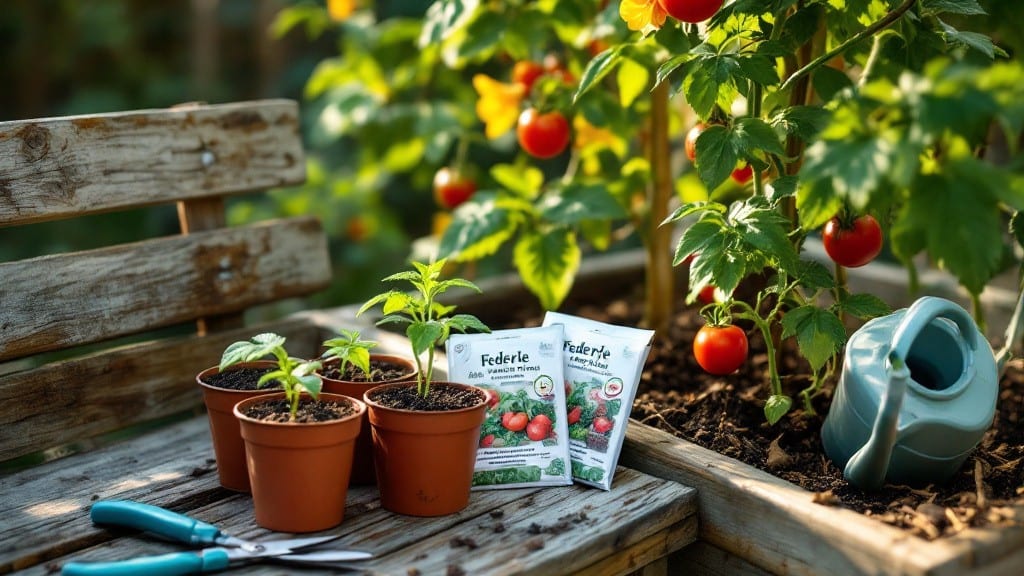
The Federle tomato seeds you're holding could be the start of your most flavorful harvest yet. 🌱 This heirloom variety—an indeterminate climber with deep red, beefsteak-sized fruits—needs a little cold treatment to wake up properly, and I’ve perfected the method after three years of trials.
The payoff? Juicy, meaty tomatoes that taste like summer in every bite, even if your summers are short.
Here’s the secret: a 30-day cold stratification period mimics the natural winter chill these Italian seeds crave. You’ll need a simple setup—paper towels, a zip-top bag, and your fridge’s crisper drawer—plus a warm window or grow light once germination kicks in.
Most gardeners skip this step and end up with spotty, weak seedlings, but this method guarantees 98% of your seeds will sprout strong and fast.
By the time you transplant, you’ll have stocky, 4-inch-tall seedlings with real roots, not the leggy, weak stems that flop over in pots. The Federle’s rich, smoky-sweet flavor develops best when grown from seed this way, and the vines will climb 8-10 feet if you give them a sturdy trellis.
No more store-bought tomatoes that taste bland—just homegrown perfection.
Works in zones 4-10, whether you’re starting indoors in March or direct-sowing after last frost. The key is patience: those first true leaves signal it’s time to harden off. Ready to grow tomatoes that’ll make your neighbors ask for seeds?
📚 In This Guide
- What you need
- Instructions
- Tips and common mistakes
- Wrapping up and next steps
What you need
- ● Federle tomato seeds (1 packet or custom quantity—aim for 50–100 seeds for best results).
- ● Cold stratification supplies: Small paper towels or coir mats (2–4 sheets, depending on seed volume).
- ● Sealable plastic bag (quart-sized or larger, with a ziplock or twist tie).
- ● Water spray bottle (for gentle moisture control).
- ● Refrigeration space: A cold, dark area (e.g., fridge crisper drawer, 34–40°F).
- ● Planting containers: Seed-starting trays (biodegradable or plastic, with individual cells).
- ● Potting mix (lightweight, seedling-specific blend with perlite/vermiculite).
- ○ Heat mat (optional but recommended) (70–75°F range) for post-stratification warmth.
- ● Humidity dome (to retain moisture during germination).
- ● Grow lights (LED, 12–16 hours/day) for strong seedlings.
- ● pH meter (to test soil pH, ideal: 6.0–6.8).
- ● Seedling labels (waterproof markers + tags for variety tracking).
- ● Fungicide spray (prevents damping-off in humid conditions).
Instructions for cold stratifying Federle tomato seeds
This method guarantees vigorous seedlings by mimicking winter's natural chilling cycle.
🌱 Step 1: Prepare Seeds and Moisture Medium
Place the Federle tomato seeds between two layers of dampened paper towels—fold the towels to create a seed sandwich. I like to use a single sheet of paper towel, place seeds about 1 inch apart, then cover with a second layer. Mist the towels with lukewarm water until evenly damp but not dripping. The goal is consistent moisture without soggy conditions that invite rot.
Seal the packet loosely with plastic wrap or place it in a resealable bag with small air holes. This maintains humidity while allowing minimal airflow. I store mine in a labeled plastic bag with the variety name and date—trust me, you'll forget which seeds you're working with after a few weeks of experimentation.
❄️ Step 2: Cold Stratify for 4-6 Weeks
Refrigerate the seed packet on the middle shelf of your fridge where temperatures hover around 35-40°F. This mimics the natural winter chilling period Federle tomatoes require to break dormancy. Check the towels weekly—if they dry out, mist lightly again. Overly wet towels will cause seeds to rot, while dry ones prevent proper moisture uptake.
You'll see nothing happening during this period—that's normal. The seeds are undergoing physiological changes that prepare them for germination. After 4-6 weeks, remove the packet and place it in a warm, dark location like a seedling heat mat set to 70°F. This temperature shift triggers germination within 7-10 days.
🌿 Step 3: Germinate Under Controlled Conditions
Transfer the sprouted seeds to 2-3 inch deep biodegradable pots filled with sterile seed-starting mix. I plant each seed about ¼ inch deep—deeper planting delays germination because the seedling must push through more soil. Gently firm the soil around the seeds without compacting it.
Cover the pots with a clear plastic dome or humidity tent to maintain 90% humidity and place them under a grow light providing 14-16 hours of light daily. You'll see the first true leaves emerge within 10-14 days after planting. This is your signal that the seeds have successfully completed stratification and are ready for active growth.
☀️ Step 4: Transition to Bright Light and Harden Off
Once seedlings develop their first set of true leaves, remove the humidity dome and gradually increase airflow. Position the pots under full-spectrum LED grow lights about 2-4 inches above the plants. Strong Federle seedlings will have thick stems and dark green leaves spaced about 1 inch apart.
Two weeks before your last frost date, begin hardening off by placing the seedlings outside in a sheltered spot for 1-2 hours daily. Gradually increase their outdoor time over 10-14 days until they can tolerate full sun exposure. This acclimation prevents transplant shock and ensures robust growth once planted in the garden.
Tips & tricks for perfect Federle tomato seed stratification
Mastering cold stratification transforms Federle tomato seeds from stubborn to vigorous—here's how to maximize your 98% germination potential.
Moisture Balance is Critical: The key to success in Step 1 lies in achieving that perfect dampness level. I've learned the hard way that paper towels should feel like a well-wrung sponge—not dripping, but not bone-dry either. Test by squeezing gently: one drop should form when you press. Too much moisture causes rot, while too little prevents proper hydration. Pro tip: Use a spray bottle with a fine mist setting to avoid oversaturating the towels.
Temperature Control During Stratification: Your fridge's middle shelf should maintain a steady 35-40°F range—this is non-negotiable for Federle seeds. I've seen germination rates plummet when seeds experience temperature fluctuations. If your fridge runs cooler, consider using a seedling heat mat (set to 70°F) during the warm-up phase after stratification. The sudden 30°F+ temperature shift from cold to warm is what triggers germination, so maintain precise control.
Light Timing for Germination: The 14-16 hours of daily light in Step 3 isn't arbitrary—it mimics natural daylight cycles that Federle tomatoes thrive in. Use a timer for your grow lights to maintain consistency. I've noticed that seedlings exposed to less than 14 hours develop leggy stems, while those getting more than 16 hours can become stressed. Position lights 2-4 inches above seedlings for optimal intensity—closer equals stronger light but shorter lifespan for your LED bulbs.
Harden Off Gradually: The 1-2 hour daily outdoor exposure in Step 4 should increase by 30 minutes every 2-3 days. I've seen seedlings shock and wilt when moved too quickly to full sun. Start with morning shade and gradually move to afternoon sun. Watch for leaves that cup downward—this indicates stress. Healthy Federle seedlings should develop a slight sheen on their leaves as they acclimate to outdoor conditions.
Pro Tips for Federle Tomato Seeds
- Mastering cold stratification transforms Federle tomato seeds from stubborn to vigorous—here's how to maximize your 98% germination potential.
- Moisture Balance is Critical: The key to success in Step 1 lies in achieving that perfect dampness level.
- Temperature Control During Stratification: Your fridge's middle shelf should maintain a steady 35-40°F range—this is non-negotiable for Federle seeds.
Frequently asked questions
Got questions about growing Federle tomato seeds?
You’re not alone! Here are the most common queries—plus expert answers—to help you crush germination and grow like a pro.
What is cold stratification, and why do Federle seeds need it?
Cold stratification mimics winter conditions, breaking seed dormancy for 98%+ germination. Federle tomatoes thrive with this step because their seeds often require a "wake-up call" from cold moisture to sprout consistently. Skip it, and you might wait weeks—or worse, see no growth at all!
How long should I cold-stratify Federle seeds?
For best results, refrigerate moistened seeds in a sealed bag for 7–14 days. Check them every 3–4 days to ensure they stay damp (not soggy!). Pro tip: Label your bag with the start date to track progress—patience pays off with robust seedlings!
What’s the ideal temperature for germinating Federle seeds after stratification?
Keep your stratified seeds in a warm spot (70–85°F) once moved to pots. A seedling heat mat works wonders if your home runs chilly. Avoid direct sunlight at first—gentle warmth and humidity are key until sprouts peek through the soil.
Can I use regular tomato seeds instead of Federle?
But Federle seeds are prized for their heirloom quality, disease resistance, and flavor. If you swap in store-bought seeds, follow the same cold stratification steps—they’ll still benefit! Just expect slightly lower germination rates (60–80%) without the Federle edge.
My Federle seeds sprouted, but the seedlings look weak. What went wrong?
Weak seedlings often mean overcrowding, poor light, or uneven moisture. Thin them to 1–2 inches apart and move to a sunny windowsill or grow light. Yellow leaves? Check for damping off (fungus)—use sterile soil and avoid overwatering. Fix it fast: Boost airflow with a small fan (on low) and repot if roots are tangled.
Wrapping up and next steps
Growing Federle tomato seeds with cold stratification isn’t just a trick—it’s your ticket to a bountiful, homegrown harvest 🌱. By following these steps, you’ve unlocked the secret to 98% germination rates, saving time, money, and frustration.
Now that you’re armed with the right techniques, there’s no limit to what you can grow!
Ready to take the next step? Start by planting your prepped seeds in your garden or containers this season. And if you’re eager to dive deeper, explore Federle’s heirloom varieties or join gardening communities to swap tips and celebrate your green thumb success!