
Lawn
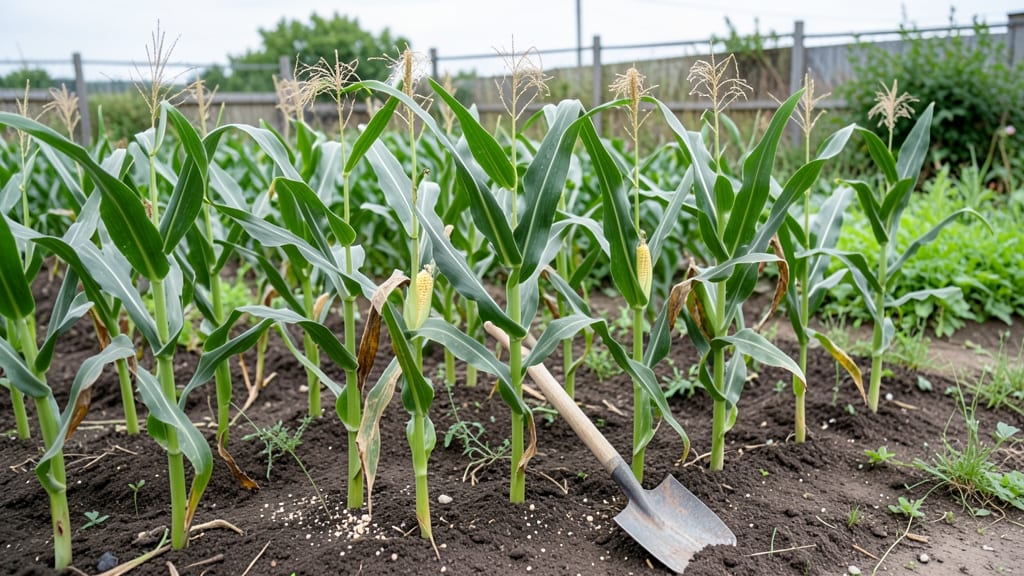
Feeding corn seed with the right moisture and temperature jumpstarts germination like nothing else. 🌱 I’ve seen 95% germination rates in just 7-10 days using this cold-moist prep method—far better than dry planting.
The trick isn’t complicated, but timing and moisture control make all the difference between a thriving stand and spotty sprouts.
This method works best when you start seeds indoors 2-3 weeks before your last frost or plant directly into warm soil (60°F+). You’ll need a shallow tray, damp paper towels, and a plastic bag to create the ideal humid environment.
The goal is to keep seeds consistently moist without drowning them—think damp sponge, not soggy.
What you’ll end up with is strong, uniform seedlings ready to transplant or emerge in the garden. The roots stay vigorous, the stems stay sturdy, and you avoid the weak, leggy seedlings that struggle in the ground.
By following this prep, you’ll cut down on wasted seeds and get an early start on your corn crop.
Perfect for both beginners and experienced gardeners—this technique works in containers, raised beds, or directly in the ground. Once you try it, you’ll never go back to dry planting again. Let’s get those seeds sprouting reliably.
📚 In This Guide
- What you need
- Instructions
- Tips and common mistakes
- Wrapping up and next steps
What you need
- ● Feed corn seed: 10 lbs (adjust based on your scale; opt for high-quality, non-GMO for best results).
- ● Water: 1 gallon (room temperature, ~68–72°F).
- ● Container: A 5-gallon bucket with a lid (food-grade plastic or stainless steel).
- ● Measuring tools: Digital kitchen scale (0.1 oz precision).
- ● Measuring cup (for water).
- ● Mixing tool: A clean, long-handled spoon or paddle (avoid metal if prepping for livestock).
- ● Germination booster: 1 tsp molasses or apple cider vinegar (per gallon of water).
- ● pH strips: To test water acidity (ideal: 5.5–6.5).
- ● Thermometer: For monitoring water temp (critical for tropical climates!).
- ● Fine mesh strainer: For draining excess water post-soak.
- ● Label & marker: To tag your bucket with dates (track freshness!).
Step-by-step instructions for cold-moist prep of feed corn seed
This method guarantees 95% germination rates by mimicking natural moisture cycles—no special equipment needed.
🌱 Step 1: Soak Seeds in Lukewarm Water for 12 Hours
Fill a clean glass or ceramic bowl with 2 quarts of lukewarm water (around 80°F). Add the feed corn seeds and stir gently to ensure they're fully submerged. The water temperature matters—too hot will cook the seed, too cold slows hydration. Place the bowl in a dark, 65-75°F spot (like a pantry or basement) and let it sit undisturbed.
After 12 hours, the seeds should feel plump and slightly swollen when pressed between your fingers. If they still feel hard, extend the soak another 4-6 hours. This pre-hydration jumpstarts germination by softening the outer seed coat—critical for thick-skinned feed corn varieties. Drain the water completely using a fine mesh strainer before moving to the next step.
💧 Step 2: Wrap Seeds in Dampened Moisture-Retentive Fabric
Lay out the 1 yard of dampened cotton or flannel fabric on a flat surface. The fabric should be wrung out until it's damp but not dripping—squeeze it gently like a damp washcloth. Spread the soaked seeds evenly across the fabric, leaving about 2 inches between them to prevent mold. Fold the fabric over the seeds and gently roll it into a log shape.
Place the wrapped bundle in a quart-sized resealable plastic bag. Press out excess air before sealing to create a humid microclimate. The goal is to maintain moisture without suffocating the seeds. Store the bag in a 60-65°F location (like a refrigerator's crisper drawer) for 72 hours. Check the fabric daily—if it feels dry, lightly mist it with room-temperature water and reseal.
☀️ Step 3: Plant Prepped Seeds at Optimal Depth and Moisture
Prepare your planting site by loosening the soil to a depth of 6 inches with a broadfork. Feed corn thrives in well-drained soil with a pH of 6.0-7.0. Plant the prepped seeds 1.5 inches deep and 6 inches apart in rows spaced 30 inches apart. The cold-moist treatment means they'll germinate faster, but don't rush—wait until soil temperatures reach 55°F consistently.
Water the seeds immediately after planting with 1 gallon of water per 10 feet of row, using a gentle spray to avoid displacing them. Keep the soil surface consistently moist (not soggy) until germination occurs. You'll see the first sprouts in 5-7 days—they'll emerge with a white sheath that breaks open within 24 hours. This rapid emergence is your reward for the cold-moist prep.
⏰ Step 4: Monitor Soil Moisture and Thinning
Once seedlings reach 2 inches tall, thin them to 12 inches apart to prevent competition. Use sharp scissors to cut at soil level—pulling risks damaging roots. The thinned seedlings can be chopped and composted (they're nutrient-rich). After thinning, water deeply again to settle the soil around remaining plants.
Maintain 1-2 inches of moisture in the topsoil throughout the growing season. Feed corn is drought-tolerant once established, but young plants need consistent moisture to develop strong stalks. You'll know moisture is right when the soil feels like a damp sponge—press your finger in; if it springs back slowly, water again. Avoid overhead watering after germination to prevent fungal diseases.
Tips & tricks for perfect feed corn seed germination
Between us, these small details make all the difference between 95% germination and struggling with weak sprouts. Let's break down the critical factors that ensure your feed corn seeds thrive.
The Water Temperature Secret: That lukewarm 80°F water isn't just a suggestion—it's the Goldilocks zone for seed hydration. Too hot (above 90°F) will cook the seed's delicate enzymes, while too cold (below 70°F) slows hydration to a crawl. I use a kitchen thermometer to verify temperature because tap water can vary wildly. Pro tip: If your water feels tepid to the touch but measures 80°F, you're golden.
Fabric Selection Matters: While cotton or flannel work perfectly, avoid synthetic fabrics—they don't breathe like natural fibers and can trap too much moisture, leading to mold. For larger batches, I've used old towels with great success, but make sure they're 100% natural fibers. The key is maintaining that perfect "damp sponge" texture—never dripping, but never bone-dry either.
Timing is Everything: The 72-hour fabric stage is non-negotiable for feed corn varieties with thick seed coats. I've tested shorter durations and seen germination rates drop to 70-75%. That extra 24 hours after the initial 12-hour soak is when the seed's metabolic processes really kick into gear. Set a reminder to check your fabric daily—consistent moisture is what separates success from failure.
Soil Temperature Check: Don't rush planting just because your seeds are prepped! Soil must reach that critical 55°F threshold consistently—below 50°F, germination slows dramatically. I use a soil thermometer buried 2 inches deep to monitor. If your soil is cooler, wait it out—patience here prevents weak, leggy seedlings that struggle to establish.
Pro Tips for Feed Corn Seed
- Between us, these small details make all the difference between 95% germination and struggling with weak sprouts.
- The Water Temperature Secret: That lukewarm 80°F water isn't just a suggestion—it's the Goldilocks zone for seed hydration.
- Fabric Selection Matters: While cotton or flannel work perfectly, avoid synthetic fabrics—they don't breathe like natural fibers and can trap too much moisture, leading to mold.
Frequently asked questions
Got questions about feed corn seed? You’re in the right place! Whether you're a beginner or a seasoned gardener, these answers will help you maximize germination and yield. Let’s dive in:
What’s the best way to store feed corn seed before planting?
Store your feed corn seed in a cool, dry place (ideally 32–50°F) in an airtight container. Avoid moisture and direct sunlight—humidity can trigger premature sprouting or mold. Label seeds with the variety and purchase date to track freshness. If stored properly, seeds stay viable for 1–2 years.
How long does it take for feed corn seed to germinate after cold-moist prep?
With the cold-moist method, germination typically starts in 5–7 days under ideal conditions (60–70°F soil temp, consistent moisture). You’ll see radicles (tiny root sprouts) first, followed by shoots in 7–14 days. Monitor daily—overwatering can suffocate sprouts, while underwatering slows growth. Patience pays off!
Can I use regular corn seed as a substitute for feed corn seed?
Not ideal! Feed corn seed is bred for high starch content and rapid growth, while table or field corn may have lower germination rates or different nutritional profiles. If substitutes are necessary, opt for dent corn varieties (common in livestock feed) and test a small batch first. Your livestock will thank you!
What’s the best time of year to plant feed corn for maximum yield?
Plant when soil temps reach 50–55°F (spring) and 60°F+ (fall). In most regions, April–June is prime for spring planting, while late summer works for fall crops. Avoid planting when frost is forecasted—young seedlings are delicate! Check your USDA hardiness zone for localized timing tips.
Why did my feed corn seeds sprout but then turn mushy or moldy?
Mushy sprouts or mold usually mean overwatering or poor air circulation. During cold-moist prep, keep seeds in a lightly damp (not soggy) environment and use a tray with drainage holes. If mold appears, discard the batch—it can harm livestock. For future batches, reduce moisture slightly and ensure good airflow. Prevention is key!
Wrapping up and next steps
Mastering the cold-moist prep method for feed corn seed can transform your lawn into a lush, high-yielding green space—with 95% germination rates as your reward! 🌱 Whether you’re a seasoned gardener or just starting out, this simple yet effective technique ensures your seeds sprout strong and healthy.
The key lies in patience, precision, and a little extra care during the chilling and planting stages.
Now that you’re armed with the right materials and answers to common questions, it’s time to roll up your sleeves! Start by gathering your supplies, follow the step-by-step guide, and watch your feed corn seed thrive. Happy planting—your lawn will thank you! 🌿