
Trees
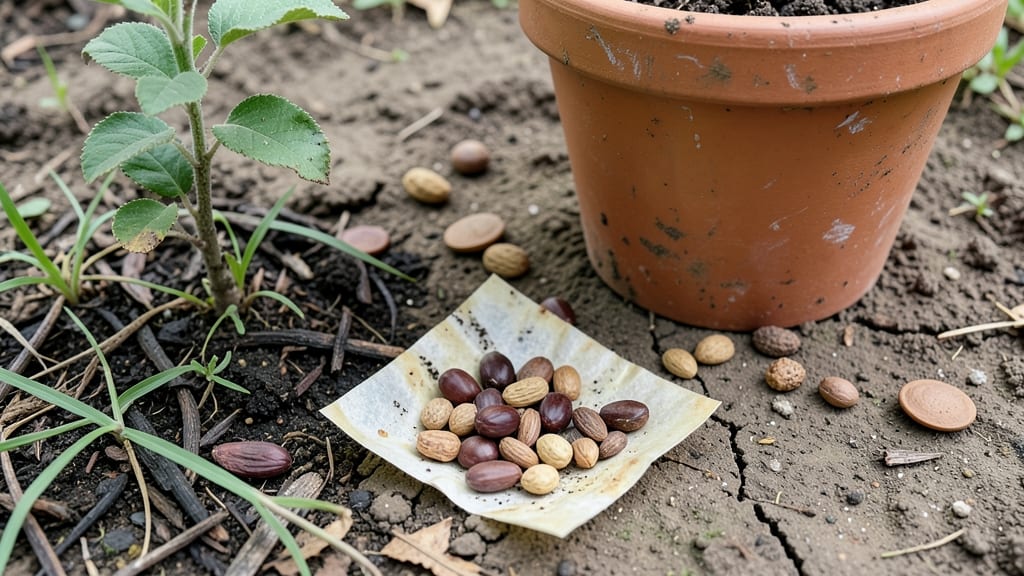
Growing fruit trees from seeds lets you raise heirloom varieties you’ll never find at nurseries—though it takes real patience. 🌱 I’ve grown apple, peach, and even citrus from seed, and while they won’t fruit like grafted trees, the satisfaction of watching a seedling become a tree is unmatched.
The key is starting right: selecting fresh seeds, breaking dormancy properly, and giving seedlings the tender care they need in their first year.
You’ll need a sunny spot, well-draining soil, and a way to protect young trees from pests and harsh weather. Most seeds take 4-12 weeks to germinate, depending on the fruit type, and seedlings grow slowly at first—think 6-12 inches in their first year.
But with consistent watering and a little winter protection, you’ll have a sturdy tree ready to fruit in 3 years (even if the first harvest is small).
The real magic happens when you see those first blossoms appear in spring, knowing you nurtured the tree from a tiny seed. Sure, store-bought trees fruit faster, but there’s nothing like the pride of growing a tree from scratch—especially when you’re snacking on fruit from your own backyard.
Here’s how to get started without losing hope along the way.
Fair warning: not all seed-grown trees will fruit true to the parent, and some may take longer to bear. But if you’re willing to embrace the journey, you’ll end up with a tree that’s uniquely yours—and that’s a harvest worth waiting for.
📚 In This Guide
- What you need
- Instructions
- Tips and common mistakes
- Wrapping up and next steps
What you need
- ● Fruit tree seeds: High-quality, organic seeds from mature, disease-free fruit (e.g., apple, peach, or citrus). Aim for 5–10 seeds to increase success rates.
- ● Seed-starting trays or small pots: Biodegradable or plastic trays with drainage holes (or 4–6" pots).
- ● Seed-starting mix: Lightweight, sterile potting soil (avoid garden soil—it’s too dense!). A 10–20 lb bag should suffice for starters.
- ● Grow lights or sunny windowsill: A full-spectrum LED grow light (12–16 hrs/day) or a south-facing window with 6+ hours of sunlight.
- ● Spray bottle: For gentle watering (avoid over-saturating seeds).
- ● Plastic wrap or humidity dome: To retain moisture during germination (clear plastic wrap works in a pinch!).
- ● Labels & markers: To track seed varieties and planting dates.
- ● Heating mat: Speeds up germination for slower seeds (e.g., citrus).
- ● Fertilizer: A balanced 5-5-5 or 10-10-10 fertilizer for seedlings (use sparingly!).
- ● Transplanting pots: Larger 1-gallon pots for seedlings before outdoor planting.
- ● Pruning shears: For shaping young trees (sterilize with rubbing alcohol!).
- ● Tree guards: Protective mesh to shield saplings from pests.
Step-by-step instructions for growing fruit trees from seeds
Here's how to turn a single seed into a thriving fruit tree with patience and precision.
🌱 Step 1: Select and Prepare Your Seeds
Choose seeds from organic, disease-free fruit—store-bought produce often won't germinate well. I like to use seeds from heirloom varieties like apples or peaches, as they're more likely to produce true-to-type fruit. Remove any flesh and let the seeds dry for 2-3 days at room temperature to prevent mold.
Scrub the seeds gently with a soft brush to remove any remaining pulp, then soak them in lukewarm water for 24 hours. This softens the outer coating and speeds up germination. After soaking, place the seeds in a damp paper towel and fold it over them—keep it in a sealed plastic bag until you see tiny roots (usually 3-5 days).
🪴 Step 2: Start Seeds in Containers
Fill small 3-4 inch pots with a well-draining seed-starting mix (never garden soil—it's too dense). Plant each seed ½ inch deep, spacing them 1 inch apart in the pot. Press the soil lightly around the seed to ensure good contact without compacting it too much.
Place the pots in a warm spot with indirect light (a sunny windowsill works). Keep the soil consistently moist but not soggy—you'll know it's right when the top inch feels damp to the touch. Germination can take 2-4 weeks, so be patient. Once the seedlings are 2-3 inches tall, transplant them into individual 4-inch pots to give their roots room to grow.
☀️ Step 3: Harden Off and Transplant
When seedlings have 4-5 true leaves (not just the first tiny ones), it's time to harden them off. Start by placing them outside in a shaded spot for 1-2 hours daily, gradually increasing their time outdoors over 10-14 days. This helps them adjust to sunlight and temperature changes without shock.
After hardening, transplant the seedlings into larger 1-gallon pots or directly into the ground if your climate allows. Choose a sunny spot with 6+ hours of direct sunlight daily and well-draining soil. Dig a hole twice as wide as the root ball but only as deep—planting too deep can suffocate the roots. Water deeply after transplanting to help settle the soil.
🌿 Step 4: Care for Young Trees
Keep the soil consistently moist but not waterlogged, especially during the first year. Mulch around the base with 2-3 inches of organic mulch to retain moisture and suppress weeds. Prune any dead or damaged branches with clean, sharp shears, and remove any suckers growing at the base to encourage a strong trunk.
Fertilize lightly in spring with a balanced, slow-release fertilizer to support steady growth. Avoid heavy feeding, as young trees are still developing their root systems. Watch for signs of pests or disease—early intervention is key. With proper care, your seedling will grow into a sturdy tree ready for fruiting in 3-5 years.
⏰ Step 5: Winter Protection and Long-Term Growth
Before the first frost, wrap the trunk of young trees with tree guard to protect it from cold and pests. In colder climates, mound soil or mulch around the base for extra insulation. Prune in late winter to remove any dead wood and shape the tree as needed.
As your tree matures, continue to monitor its health and adjust care as needed. Fruit trees grown from seed may take longer to bear fruit than grafted varieties, but the process is rewarding. With patience and consistent care, you'll enjoy homegrown fruit in just a few years!
Tips & tricks for perfect fruit tree growth from seeds
Here's what I learned the hard way after watching dozens of seedlings thrive—and fail. These are the secrets that'll help your fruit tree grow strong and healthy.
Seed Selection: Don't just grab any seeds from the grocery store! Store-bought fruit often comes from hybrid varieties that won't grow true to type. Instead, save seeds from heirloom varieties like apples, peaches, or plums from your local farmers' market or organic orchards. I've found that seeds from fruit that's fully ripened on the tree (not picked early) have the best germination rates. If you're starting with store-bought fruit, try varieties like Granny Smith apples or Fuji apples—they're more likely to produce predictable results.
Germination Strategy: The 24-hour soak is non-negotiable—it breaks down the seed coat and speeds up germination. But here's the trick: after soaking, place your seeds between damp paper towels in a sealed plastic bag. I keep mine in a warm spot (like on top of the fridge) and check daily. You'll see tiny roots peeking out in just 3-5 days! If you're impatient, you can speed this up by using a heat mat set to 70-75°F, but the paper towel method works perfectly fine without extra equipment.
Transplanting Timing: When your seedlings reach 2-3 inches tall, it's time to move them to individual 4-inch pots. This is where most beginners make their first mistake—waiting too long to transplant. Crowded roots can become tangled and stressed. I've learned to check the roots every few days once they hit that 2-inch mark. If you see roots circling the bottom of the pot, it's definitely time to transplant. Use a well-draining seed-starting mix (never garden soil) to prevent root rot, and make sure your pots have drainage holes.
Harden Off Gradually: The 1-2 hour daily hardening process is crucial, but don't rush it. Start with just 30 minutes on the first day and increase by 30 minutes each subsequent day. I've seen seedlings go into shock when moved from indoors to full sun too quickly. Watch for wilting or yellowing leaves—these are signs you're moving too fast. Also, avoid hardening off on windy days or when temperatures are extreme. Morning hours with gentle sunlight are ideal for this process.
Pro Tips for Fruit Trees Seeds
- Here's what I learned the hard way after watching dozens of seedlings thrive—and fail.
- Seed Selection: Don't just grab any seeds from the grocery store!
- Germination Strategy: The 24-hour soak is non-negotiable—it breaks down the seed coat and speeds up germination.
Frequently asked questions
Got questions about growing fruit trees from seeds? You’re not alone—this method takes patience and know-how! Here are answers to the most common queries to help you succeed.
How long does it take for a seed-grown fruit tree to bear fruit?
Most seed-grown fruit trees take 3–5 years to produce fruit, but some (like citrus or stone fruits) may take even longer. Varieties like apples or peaches often yield inconsistent fruit due to genetic unpredictability. For faster, reliable results, consider grafting or buying grafted saplings.
When is the best time to plant fruit tree seeds?
The ideal time depends on your climate:
- Temperate zones: Plant seeds indoors 6–8 weeks before the last frost, then transplant seedlings outdoors in spring.
- Tropical/subtropical zones: Sow seeds directly in warm soil (60°F+) after the risk of frost has passed.
Will seeds from store-bought fruit grow into the same variety?
Probably not! Store-bought fruit is often hybridized for taste, size, or disease resistance. Seeds may grow into a different (and sometimes wild) variety. For true-to-type fruit, buy seeds from reputable nurseries or graft onto a seedling rootstock.
Why aren’t my fruit tree seeds germinating?
Common issues include:
- Poor soil drainage (use a mix of potting soil + perlite).
- Incorrect moisture (keep soil damp but not soggy).
- Lack of light (place trays near a sunny window or under grow lights).
- Dormancy (some seeds need scarification or cold treatment).
Can I grow fruit trees from seeds in containers?
Yes! Many dwarf or semi-dwarf fruit trees thrive in containers, including:
- Citrus (lemons, limes)
- Dwarf apples/pears
- Fig trees
Wrapping up and next steps
Growing fruit trees from seeds is a rewarding journey that connects you to nature while offering a year-round harvest in just three years! 🌱 With the right seeds, patience, and care, you’ll enjoy fresh, homegrown fruit and the pride of nurturing life from the ground up.
Whether you’re a beginner or a seasoned gardener, this method is both cost-effective and deeply satisfying.
Ready to take the next step? Start by selecting your favorite fruit seeds, gathering your supplies, and planting with confidence. Your future orchard—and delicious harvests—await! 🍎🍑