
Lawn
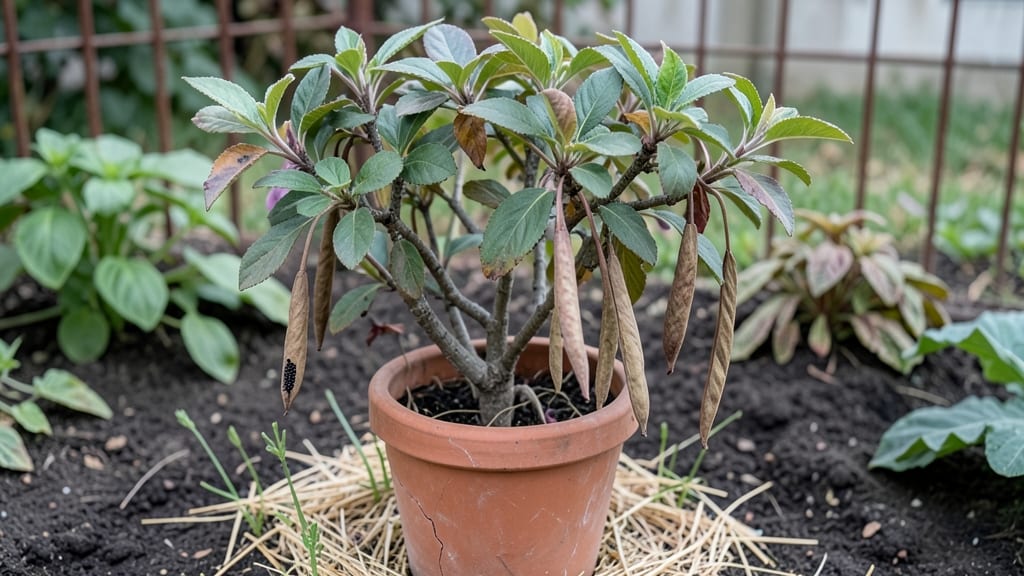
Harvesting fuchsia seed pods at the right stage—when they’re fully brown and dry but haven’t split open—maximizes seed viability and ensures healthy plants next season. Remove pods carefully, crack them open to release seeds, then store them in a cool, dry environment until spring planting.
Timing is everything with fuchsia seed pods, as they only remain viable for a short window after drying. 🌿 Overripe pods crack open and scatter seeds, while underripe ones won’t germinate properly.
I’ve found that harvesting in late summer or early fall—after the pods have hardened but before they split—yields the best results. Once collected, seeds should be spread out to dry completely before storage to prevent mold, which can ruin your entire batch.
For storage, I recommend using small paper envelopes labeled with the harvest date—this keeps seeds dry while allowing airflow. A cool, dark place like a seed fridge or even the back of your pantry works perfectly, as long as it stays consistently below 50°F.
If you’re in a humid climate, adding a silica gel packet to the container can prevent moisture damage. Remember, properly stored fuchsia seeds can remain viable for up to 3 years, making this a worthwhile preservation effort.
💡 In This Article
- Identifying the Perfect Time to Harvest Fuchsia Seed Pods
- Step-by-Step Guide to Storing Fuchsia Seeds for Germination
Identifying the perfect time to harvest fuchsia seed pods
Here's what's actually happening inside those fuchsia seed pods: after flowering, the pods undergo a natural drying process driven by ethylene gas production. This hormone triggers maturation, causing the pod walls to thicken and turn from green to matte brown—a clear sign seeds are ready.
The drying process typically takes 4-6 weeks from flowering, but environmental factors like temperature and humidity can accelerate or slow this timeline. 🌿 In hot, dry climates, pods may mature faster, while cool, damp conditions can extend the process by several weeks.
The key factor determining harvest readiness is the pod's texture. When fully mature, the pods should feel paper-thin and brittle—almost like dried parchment—when gently squeezed. At this stage, the seeds inside are fully developed but haven't yet activated their natural dispersal mechanism.
If you wait too long, the pods will split open along their seams (a process called dehiscence), releasing seeds up to 10 feet away from the parent plant. This happens because the pod walls weaken as moisture content drops below 10%, causing them to crack under their own tension.
What most people don't realize is how humidity affects this process. In environments with high humidity (above 60%), pods may never fully dry on the plant, staying green and leathery indefinitely.
This creates a false sense of readiness—pods might look dry on the outside but remain moist inside, leading to moldy seeds. Conversely, in arid conditions (30% humidity or less), pods dry too quickly, becoming overly brittle and prone to premature splitting.
The ideal harvest window occurs when morning dew has evaporated but afternoon heat hasn't yet peaked.
Temperature plays a surprising role too. Fuchsia pods mature best in 60-75°F conditions. Below 50°F, the drying process slows dramatically, while above 85°F, pods can over-dry and shatter before seeds are fully viable.
I've found that harvesting in the early morning hours (6-9 AM) gives you the best chance of catching pods at peak readiness—they've had overnight to dry but haven't absorbed midday heat. This timing also minimizes the risk of attracting seed-eating insects that become active as temperatures rise.
Consider these visual cues when evaluating pods:
- Color: Uniform dull brown (not shiny or green)
- Texture: Crinkles when touched, feels lightweight (not heavy with moisture)
- Sound: Makes a papery rustling when shaken gently
- Structure: Seams are visible but not yet cracked
The biological reason for this precise timing lies in fuchsia's survival strategy. By releasing seeds only after pods have fully dried, the plant ensures they land in well-drained soil where they're most likely to germinate.
The seeds themselves contain natural dormancy mechanisms that prevent immediate germination—another reason why harvesting at the perfect stage is crucial for successful storage and future planting. 💫