
Lawn
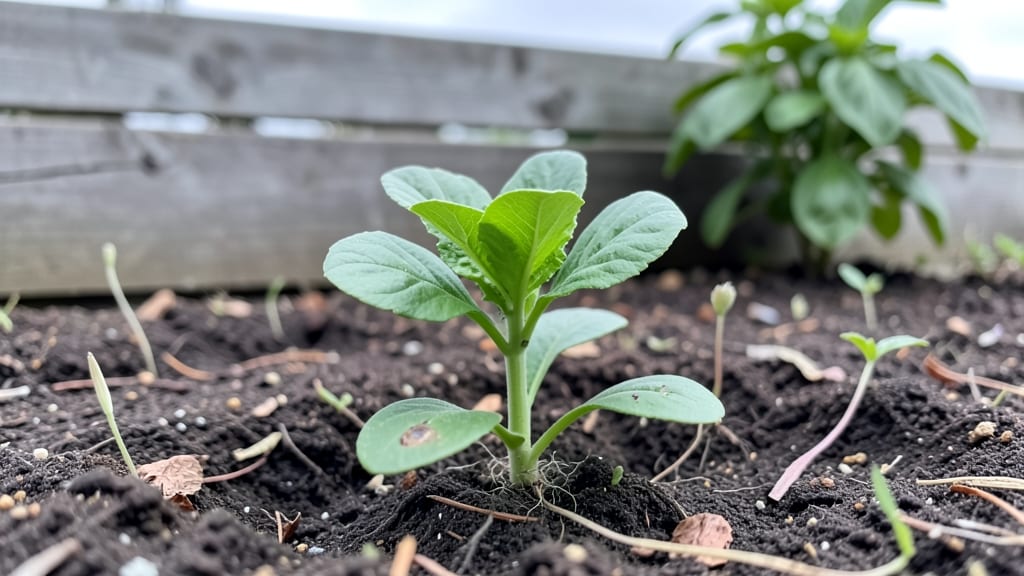
A green seed garden isn't just a hedge—it's a living wall of lush, whisper-quiet foliage that transforms your yard into a private sanctuary. 🌿 I designed mine along my backyard fence after years of listening to neighborhood chatter through my open windows.
The key? Choosing dense, evergreen shrubs that block views while requiring almost no upkeep once established.
Think of it as a layered living tapestry: tall shrubs like Emerald Green Arborvitae form the backbone, while medium-height Inkberry Holly and low-growing Dwarf Boxwood fill gaps for texture.
The beauty of this design is that it works year-round—no seasonal color drama, just reliable greenery that hums with life instead of demanding attention. Plus, you can tuck in native pollinator plants like Butterfly Bush or Russian Sage for extra charm without sacrificing privacy.
What you'll end up with is a space that feels like a secret garden—calm, secluded, and effortlessly elegant. The shrubs grow slowly but steadily, so you won't be pruning every weekend. And since we're using mostly evergreens, you skip the autumn cleanup of dead leaves too.
It's the kind of garden that makes neighbors stop and ask, "How do you keep it looking so perfect?" while you just smile and say, "Nature does most of the work."
Here's the best part: this design adapts to any yard size, from narrow city lots to spacious suburban backyards. The same principles apply whether you're planting along a fence, bordering a driveway, or creating a windbreak. Let's turn that bare space into your own quiet retreat—without the fuss.
📚 In This Guide
- What you need
- Instructions
- Tips and common mistakes
- Wrapping up and next steps
What you need
- ● Seeds or bare-root plants: 5–10 lbs of evergreen shrub seeds (e.g., boxwood, holly, or arborvitae) or 10–20 bare-root plants, depending on desired density.
- ● 2–3 lbs of native shrub seeds (like elderberry or serviceberry) for biodiversity and pollinator support.
- ● Soil amendments: 5–10 bags of compost (for nutrient-rich soil).
- ● 1–2 bags of peat moss or coconut coir (for moisture retention in sandy soil).
- ● Tools: 1 garden shovel (for digging).
- ● 1 hand trowel (for precision planting).
- ● 1 pruners (for trimming).
- ● 1 wheelbarrow (for hauling soil/amendments).
- ● 1 measuring tape (to map out plant spacing).
- ● 1 watering can or hose with nozzle (for gentle hydration).
- ● Mulch: 2–3 cubic feet of pine straw or shredded bark to suppress weeds and retain moisture.
- ● Fertilizer: Slow-release organic fertilizer (e.g., 10-10-10 or compost tea) for a nutrient boost.
- ● Erosion control: Jute netting or biodegradable landscape fabric for sloped areas.
- ● Shade cloth: Lightweight 30–50% shade fabric for young seedlings in hot climates.
How to design a low-maintenance green seed garden for year-round privacy
Here's my go-to approach for creating a lush, evergreen privacy screen that thrives with minimal effort.
🌱 Step 1: Select Fast-Growing, Evergreen Shrubs for Dense Coverage
Choose plants that mature quickly and retain foliage year-round. I recommend Emerald Green Arborvitae for its dense growth habit and resistance to deer, or Leyland Cypress for rapid height gain. Both tolerate a range of soil types but prefer well-draining conditions with 6-8 hours of sunlight daily. For shadier spots, Inkberry Holly or Dwarf Fountain Boxwood provide excellent structure and color contrast.
Space plants 3-5 feet apart depending on mature width—closer spacing creates a thicker screen faster. I always sketch a rough layout first, marking where each plant will go based on its mature size. This prevents overcrowding as they fill in over the years.
🪴 Step 2: Prepare the Planting Site with Proper Soil Amendments
Clear the area of weeds and loosen the soil to a depth of 12 inches using a shovel or rototiller. For poor soil, mix in 2-3 inches of compost to improve drainage and fertility. If your soil is heavy clay, add 1 part perlite to 3 parts native soil to prevent compaction. I test soil pH before planting—most evergreens prefer a slightly acidic range of 5.5-6.5.
Dig planting holes twice as wide as the root ball but no deeper. This encourages roots to spread horizontally rather than settling into a small pocket. Place each shrub at the same depth it was growing in its container, using the soil line as a guide. Water deeply to eliminate air pockets and help roots establish contact with the surrounding soil.
☀️ Step 3: Establish a Consistent Watering and Mulching Routine
Water newly planted shrubs deeply 2-3 times per week for the first 6-8 weeks to encourage deep root growth. After that, reduce to once weekly during dry spells, checking that soil remains 2-3 inches moist below the surface. Overhead watering can cause fungal issues, so I use a soaker hose placed at the base of each plant.
Apply 2-3 inches of mulch (cypress or pine straw works well) around each plant, keeping it 3-4 inches away from the trunk. This retains moisture, suppresses weeds, and regulates soil temperature. Replenish mulch annually as it breaks down. The key here is consistency—evergreens hate drying out, but they also despise soggy roots.
✂️ Step 4: Prune Strategically for Shape and Health
Prune in late winter or early spring before new growth begins. Remove only dead, diseased, or crossing branches—never cut into old wood. For Arborvitae, I shape with clean cuts just above a healthy bud using bypass pruners. For Leyland Cypress, I focus on thinning out the center to improve airflow and reduce fungal risks.
Never remove more than 25% of the plant's foliage in a single session. You'll see new growth emerge within 4-6 weeks of pruning, signaling the plant is recovering well. If you notice yellowing needles, that's often a sign of overwatering or poor drainage—adjust your care routine accordingly.
🌿 Step 5: Monitor for Pests and Adjust Care as Needed
Inspect plants monthly for spider mites, bagworms, or scale insects—common pests for evergreens. I treat lightly infested plants with neem oil applied in the evening to avoid harming beneficial insects. For severe cases, use horticultural oil according to package instructions. Prevention is easier than cure: healthy, well-watered plants resist pests better.
Fertilize lightly in early spring with a slow-release, balanced fertilizer (10-10-10 ratio). Too much nitrogen causes rapid but weak growth that attracts pests. I skip fall fertilization entirely—evergreens go dormant in winter and don't need extra nutrients during that period.
Tips & tricks for perfect year-round privacy screens
Creating a lush, evergreen privacy screen that lasts through all seasons takes more than just planting shrubs—it's about strategic choices that ensure long-term success with minimal maintenance.
Plant Selection Strategy: When choosing between Emerald Green Arborvitae and Leyland Cypress in Step 1, consider your climate. Arborvitae handles colder winters better, while Leyland Cypress grows faster in milder zones. For shadier areas, Inkberry Holly offers year-round color with minimal sunlight needs. I always check the mature height of each variety before planting—this determines how many plants I'll need for complete coverage.
Soil Preparation Insight: The 12-inch soil loosening in Step 2 is crucial for root establishment, but don't skip the pH test. Most evergreens prefer that 5.5-6.5 range, but Leyland Cypress can tolerate slightly more alkaline soil. If your soil test shows extreme pH (below 5 or above 7), amend with sulfur or lime respectively before planting. I've seen plants struggle for years because their soil was too alkaline for their needs.
Watering Wisdom: Those first 6-8 weeks of deep watering 2-3 times weekly in Step 3 are non-negotiable. I use a moisture meter to check that 2-3 inches of soil stays moist—this prevents both underwatering and overwatering. For larger plantings, consider installing a drip irrigation system at planting time to automate this critical phase. The key is consistency: evergreens can't handle moisture fluctuations.
Pruning Precision: When pruning in late winter (Step 4), focus on creating an open center for Leyland Cypress to improve airflow and reduce fungal risks. For Arborvitae, I make clean cuts just above healthy buds—never cut into old wood. The 25% foliage limit prevents stress, and those 4-6 weeks of new growth confirm you didn't over-prune. I always prune on a dry day to prevent spreading fungal spores through fresh cuts.
Pro Tips for Green Seed Garden
- Creating a lush, evergreen privacy screen that lasts through all seasons takes more than just planting shrubs—it's about strategic choices that ensure long-term success with minimal maintenance.
- Plant Selection Strategy: When choosing between Emerald Green Arborvitae and Leyland Cypress in Step 1, consider your climate.
- Soil Preparation Insight: The 12-inch soil loosening in Step 2 is crucial for root establishment, but don't skip the pH test.
Frequently asked questions
Got questions about creating a lush, low-maintenance green seed garden for year-round privacy? You’re not alone!
Here are the answers to the most common queries—so you can get growing with confidence.
What’s the best time of year to plant a green seed garden for privacy hedges?
For most shrubs, early spring or fall is ideal—when soil is workable but not scorching. Cool temps help roots establish before summer heat. If you’re in a mild climate (like Zones 8-10), you can plant year-round, but avoid extreme heat or frost. Pro tip: Check your shrub’s specific needs—some, like Ligustrum, tolerate transplanting even in summer with extra water!
How long does it take for a green seed garden to provide full privacy?
That depends on the shrub! Fast-growing varieties like Bamboo (Fargesia) or Arborvitae can reach 6–10 feet in 3–5 years with proper care. Slower growers (e.g., Boxwood) may take 5–7 years for dense coverage. Plant in staggered rows to fill gaps faster—think of it like a living mosaic!
Do I need to fertilize my green seed garden shrubs every year?
Not always! Most low-maintenance shrubs thrive on well-draining soil + compost at planting. After that, a light annual feeding in spring (with slow-release fertilizer) keeps them happy. Over-fertilizing can lead to leggy growth or pest issues. Test your soil first—if it’s rich, skip the fertilizer entirely!
What’s the easiest way to keep pests away from my green seed garden?
Prevention is key! Start with healthy soil and resistant shrub varieties (e.g., Privet or Holly deter many pests). Monitor for aphids or spider mites—spray with neem oil or introduce ladybugs for natural control. Avoid overwatering (pests love soggy roots!). Mulch around the base to deter burrowing insects too.
Can I mix flowers or herbs into my green seed garden for color?
Pair evergreen shrubs with seasonal bloomers like Lavender, Salvia, or Dwarf Coneflowers for texture and pollinators. Just keep spacing in mind—stick to non-invasive plants that won’t outcompete your privacy shrubs. Bonus: Herbs like Rosemary add fragrance and repel pests!
Wrapping up and next steps
Creating a green seed garden with low-maintenance shrubs is your ticket to year-round privacy and a lush, eco-friendly backyard! 🌿 Whether you're a seasoned gardener or just starting out, these resilient plants offer beauty, sustainability, and minimal upkeep.
With the right materials and a little patience, you’ll enjoy a thriving, serene space that feels like a natural retreat.
Ready to take the next step? Start small—pick 2-3 shrubs that suit your climate and soil, then expand as you gain confidence. Your future self (and your neighbors!) will thank you for the peaceful, green haven you’re building. Happy planting! 🌱