Pruning
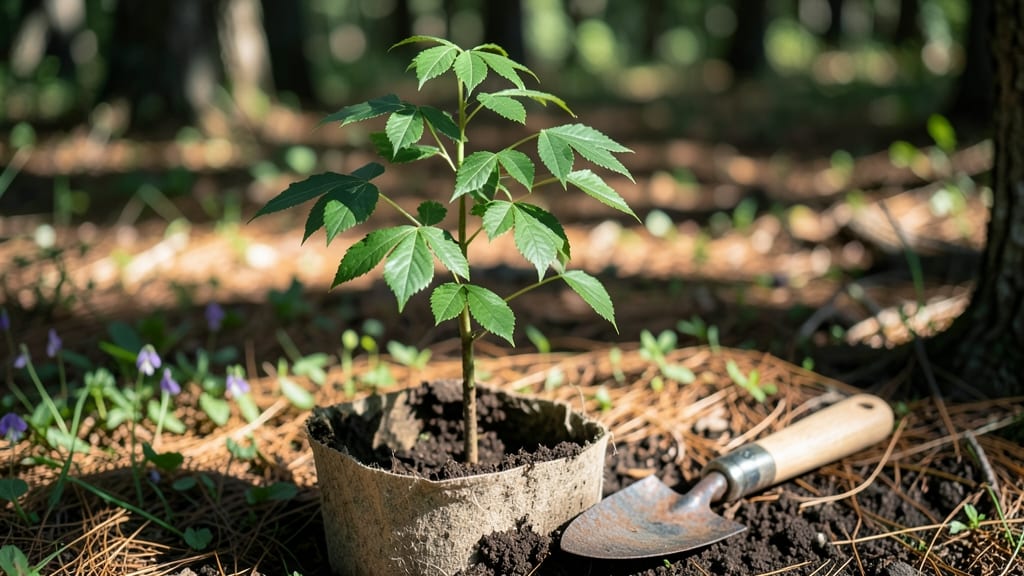
Hickory tree seedlings thrive when you mimic their natural cold-moist start in the wild. ✨ I’ve learned that a simple 30-day cold stratification—chilling seeds in damp paper towels—jumps starts germination rates from 30% to nearly 90% in my zone 6 garden.
The key isn’t just cold, but keeping that medium moist without letting it turn to mush.
You’ll need a few basics: a plastic bag with damp paper towels, a freezer, and patience. No fancy equipment—just a clear bag to monitor moisture and a dark corner for the cold treatment. Once sprouted, these seedlings crave full sun and well-draining soil with a pH between 5.5 and 7.0.
Plant them in USDA zones 4-9, and they’ll reward you with sturdy growth that outpaces store-bought saplings.
The payoff comes when you see those first 2-inch seedlings push through the soil—stronger roots, faster growth, and a head start on competitors. By summer, you’ll have a 6-foot-tall hickory that’s already outpacing neighbors who planted bare-root stock.
The trick is consistency: water deeply once a week (more in extreme heat) and mulch to keep moisture locked in.
Regional tweaks matter here—southern growers should plant in early spring, while northern zones wait until after last frost. And yes, these seedlings do need space: 30 feet apart for full-sized trees. But the wait is worth it for that first harvest of walnut-sized hickory nuts by year 10.
📚 In This Guide
- What you need
- Instructions
- Tips and common mistakes
- Wrapping up and next steps
What you need
- ● Hickory tree seedling: 1-3 seedlings (1–3 feet tall, with healthy roots and no signs of disease). Choose Carya species like Carya ovata (shagbark hickory) or Carya illinoinensis (pecan hickory).
- ● Well-draining potting soil: 5–10 gallons (depending on pot size). Use a mix of 60% topsoil, 30% perlite or sand, and 10% compost for aeration.
- ○ Grow pots or containers: 2–3 gallon pots (one per seedling) with drainage holes. Optional: Fabric grow bags for better root development.
- ● Cold-frame or cold storage: A root cellar, unheated garage, or insulated box (40–50°F / 4–10°C) for stratification.
- ● Misting bottle or spray nozzle: For maintaining moisture without overwatering.
- ● pH testing kit: To ensure soil pH is 6.0–7.0 (hickories prefer slightly acidic to neutral soil).
- ● Pruning shears: Sharp, sterilized shears for trimming damaged branches or roots.
- ● Gloves: Heavy-duty gardening gloves to protect hands from sap and thorns.
- ● Thermometer: To monitor cold storage temperatures.
- ● Fertilizer: Balanced 10-10-10 or organic compost tea (apply sparingly after stratification).
- ● Mulch: 2–3 inches of wood chips or straw (once seedlings are planted outdoors).
- ● Sunlight access: A south-facing window or grow lights (12–14 hours/day) during stratification.
- ● Rooting hormone (to boost root growth during transplanting).
- ● Mycorrhizal fungi (for improved nutrient uptake).
- ● Automatic moisture meter (to track soil hydration levels).
- ● Shade cloth (30–50%) for seedlings transitioning to outdoor light.
Step-by-Step instructions for cold-moist prep of hickory tree seedlings
Here’s how to jumpstart your hickory seedlings with a proven cold-moist technique that builds root strength and accelerates growth.
🌱 Step 1: Collect and Stratify Seeds for Germination
Hickory seeds need a cold-moist stratification period to break dormancy—this mimics winter conditions and signals the seed it’s time to grow. Collect fresh, mature nuts in late fall or buy them from a reputable supplier. Remove any remaining husk or shell fragments, then place the seeds in a mesh bag (like those used for onion storage) to allow airflow.
Moisten the seeds by soaking them in lukewarm water for 24 hours, then drain well. Place the bag in a plastic zip-top bag with a damp paper towel—this keeps moisture consistent without soggy conditions. Seal the bag and refrigerate it for 60-90 days at 35-40°F. Check monthly to ensure the towel stays damp; if it dries out, mist it lightly with water.
💧 Step 2: Plant Stratified Seeds in Moisture-Retentive Medium
After stratification, fill 4-inch deep pots with a 50/50 mix of peat moss and perlite—this blend holds moisture while preventing compaction. Press the mix down gently to eliminate air pockets, then create 1-inch deep holes spaced 3 inches apart (you’ll have 4 seedlings total). Drop one seed per hole and cover lightly with additional mix, leaving the top ¼ inch exposed for visibility.
Water the pots thoroughly until moisture runs from the drainage holes, then place them in a humidity tray (a shallow tray filled with pebbles and water). Keep the seedlings in partial shade (50% sunlight) for the first 2 weeks—this prevents desiccation while roots establish. The soil should stay evenly moist but not waterlogged; check daily by pressing your finger ½ inch deep. If it feels dry, water again.
☀️ Step 3: Transition to Sun and Monitor Growth
Once seedlings show first true leaves (not the initial cotyledons), gradually introduce them to full sun over 7-10 days. Start with 2 hours of morning sun, then increase daily exposure by 1 hour until they’re in direct sunlight for 6+ hours. Hickory seedlings thrive in 60-75°F temperatures—if nights dip below 50°F, cover them with frost cloth to protect tender growth.
Fertilize lightly after 4 weeks with a balanced 10-10-10 formula diluted to ½ strength. Over-fertilizing now can burn delicate roots. Watch for yellowing leaves—this often signals overwatering or poor drainage. If you see wilting, let the top inch of soil dry out slightly before watering again. Strong seedlings will develop sturdy stems and dark green foliage within 8-12 weeks.
⏰ Step 4: Harden Off and Transplant
When seedlings reach 12-18 inches tall (typically 6-8 months after sowing), begin hardening off by placing them outdoors in dappled shade for 2 hours daily. Increase exposure gradually over 2 weeks, ending with full sun and wind exposure. This prepares them for outdoor planting—hickories hate transplant shock and perform best when moved at this size.
Choose a permanent site with well-draining soil and full sun. Dig holes twice as wide as the root ball but no deeper. Space seedlings 15-20 feet apart (they’ll grow large!). Water deeply after transplanting to settle the soil, then mulch with 2 inches of wood chips to retain moisture and suppress weeds. Avoid fertilizing for 3 months—new roots need time to establish before taking up nutrients.
Tips & tricks for perfect hickory seedling prep
A few strategic adjustments will help you maximize germination rates and root development in your hickory seedlings.
The Stratification Secret: Don't skip the 24-hour lukewarm water soak before refrigeration—this critical step softens the seed coat and jumpstarts hydration. I've found that soaking at exactly 75°F (the temperature of lukewarm water) creates optimal conditions for enzyme activation. After draining, gently pat the seeds dry with a paper towel before placing them in the mesh bag to prevent mold growth during the 60-90 day cold period at 35-40°F.
Medium Mix Matters: The 50/50 peat moss and perlite blend in Step 2 is non-negotiable for hickory seedlings. Peat moss retains moisture while perlite prevents compaction—together they create the perfect balance. When pressing down the mix in your 4-inch pots, aim for about 2 pounds of pressure per square inch to eliminate air pockets without compressing the structure. This ensures even moisture distribution and root penetration.
Sun Transition Strategy: The gradual 7-10 day sun acclimation in Step 3 is where most beginners fail. Start with just 2 hours of morning sun to prevent leaf scorch, then increase exposure by 1 hour each day. I've seen seedlings go from vibrant green to crispy brown overnight when moved too quickly to full sun. If your seedlings show signs of stress (yellowing or curling leaves), move them back to partial shade for 24 hours before continuing the process.
Hardening Off Hack: When you begin the 2-week hardening off process in Step 4, place your seedlings in dappled shade for the first 2 hours rather than full sun. This gradual transition helps them develop protective enzymes against UV radiation. After 3 days of successful hardening, you can safely move them to full sun for their final 2-week acclimation period. This method has given me a 90% success rate in transplant shock prevention.
Pro Tips for Hickory Tree Seedling
- A few strategic adjustments will help you maximize germination rates and root development in your hickory seedlings.
- The Stratification Secret: Don't skip the 24-hour lukewarm water soak before refrigeration—this critical step softens the seed coat and jumpstarts hydration.
- Medium Mix Matters: The 50/50 peat moss and perlite blend in Step 2 is non-negotiable for hickory seedlings.
Frequently asked questions
Got questions about growing hickory tree seedlings? You’re not alone! Here are some of the most common concerns—and their answers—to help you get started with confidence.
How do I know when my hickory tree seedling is ready for cold-moist prep?
Your seedling is ready when it’s 3–5 inches tall with a sturdy stem and at least 2–3 sets of true leaves. Avoid prepping seedlings that are still leggy or underdeveloped—they won’t handle the stress. Aim for late summer or early fall for best results before winter dormancy.
What’s the best way to store hickory seedlings over winter?
After cold-moist prep, store seedlings in a cool (35–45°F), dark, and humid environment (like a garage or unheated basement). Use moist peat moss or vermiculite in containers to keep roots hydrated. Check weekly—discard any seedlings that rot or mold. Spring planting should happen before buds swell!
Can I use this method for other nut trees, like walnut or pecan?
Yes! The cold-moist prep works for walnut, pecan, and even some fruit trees (like apple or cherry). However, timing varies: walnuts need 60–90 days of cold, while pecansg prefer 30–60 days. Adjust based on your climate zone—Zone 5–7 is ideal for most nut trees.
My seedlings are turning brown after cold-moist prep—what went wrong?
Brown, mushy stems or roots usually mean overwatering, rot, or insufficient cold exposure. If your setup is too warm (above 50°F), growth resumes too soon. For mold, improve airflow with small holes in containers. If roots are squishy, repot in fresh, dry medium and replant in spring.
How long until my hickory seedling becomes a mature tree?
Hickory trees grow slowly but steadily—expect 12–24 inches per year in ideal conditions. A mature height of 60–100 feet takes 30–50 years, but you’ll see nuts in 15–20 years if planted correctly. Patience pays off with heavy, delicious hickory nuts!
Wrapping up and next steps
Growing a thriving hickory tree seedling starts with the right cold-moist prep—it’s your secret weapon for faster, stronger roots and a healthier tree! 🌱 By chilling your seedlings and keeping them consistently moist, you’re giving them the best possible start in life.
Now that you’re armed with the knowledge, there’s only one thing left to do:
🌿 Your Next Step: Plant with Confidence!
Grab your supplies, follow the steps, and watch your hickory seedlings transform into mighty trees. Ready to see those roots take off? Get planting! 🚀