
Blooming
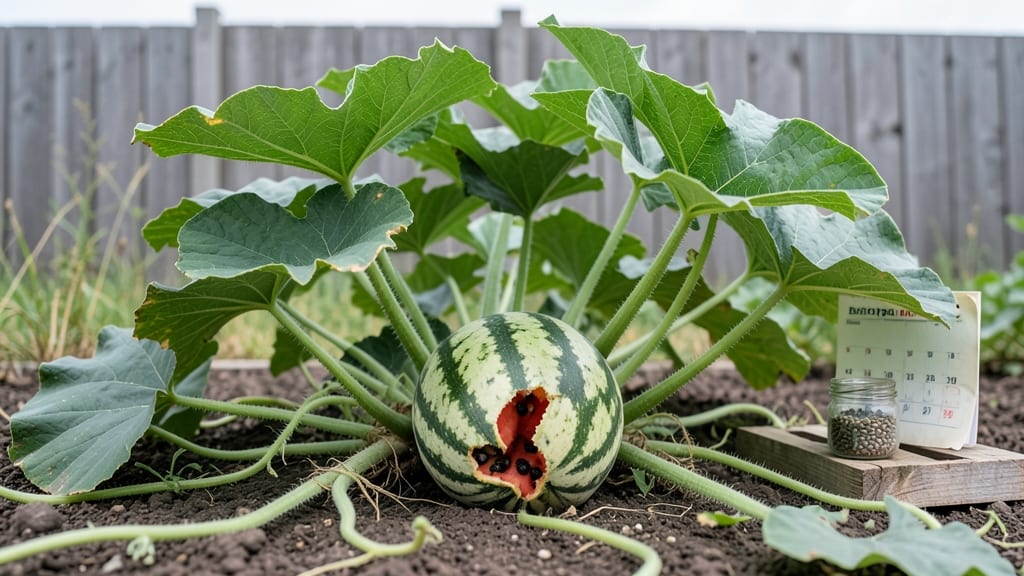
Watermelon seeds last 1 to 3 years when stored properly in a cool, dry place. Properly dried and sealed seeds can retain viability longer, while exposure to moisture or heat drastically shortens shelf life. Test germination periodically to confirm usability.
Understanding how long watermelon seeds stay viable depends on how you prepare and store them. 🌱 The key is reducing moisture content to below 10% before sealing them in airtight containers. I've found that using silica gel packets alongside the seeds in storage helps maintain optimal dryness.
For gardeners, this means planning ahead—harvesting seeds at peak ripeness and drying them thoroughly under shade for 3-5 days before storage makes all the difference in extending their shelf life.
Once properly stored, these seeds can last longer than you'd expect, though their germination rate naturally declines over time. 💫 The 1-3 year range assumes ideal conditions, but real-world results vary based on your local climate and storage consistency.
I always recommend testing a small batch annually by soaking them overnight and checking for sprouting—this simple step saves time and frustration when you're ready to plant.
💡 In This Article
- Factors Affecting Watermelon Seed Longevity
- Best Practices for Storing Watermelon Seeds
Factors affecting watermelon seed longevity
Watermelon seed viability hinges on three critical factors: moisture content, temperature, and oxygen exposure. Seeds contain enzymes that remain active until moisture drops below 10%, which halts metabolic processes that accelerate aging.
At higher moisture levels (above 12%), microbial growth and enzymatic activity speed up, causing seeds to deteriorate within months rather than years. The ideal moisture range for long-term storage is 5-8%, achieved through proper drying before sealing.
Temperature plays a dual role in seed preservation. While refrigeration (32-40°F) slows metabolic activity, extreme cold (below 32°F) can damage cell membranes through ice crystal formation.
Heat is far more destructive—exposure to 85°F or above accelerates the breakdown of seed proteins and lipids, reducing viability by 50% within just 6 months. This is why basement storage (typically 50-60°F) often outperforms kitchen cabinets in warm climates.
Oxygen exposure triggers oxidative damage in seed oils, particularly polyunsaturated fats that become rancid over time. An airtight container with minimal headspace (less than 10% of the container's volume) reduces oxygen contact by 70% compared to loosely sealed bags.
The absence of light further protects seeds—UV radiation breaks down seed proteins, so opaque containers are ideal. This combination of low oxygen and darkness creates the optimal "seed dormancy chamber" that mimics natural conditions.
Seed dormancy itself is a survival mechanism where metabolic rates drop to 1-5% of normal levels, allowing seeds to remain viable for years. Watermelon seeds enter this state naturally when fully mature and dried, but improper handling can disrupt it.
For example, seeds harvested from overripe fruit often have higher moisture content and shorter shelf lives because their dormancy hasn't fully activated. The key is harvesting seeds when the watermelon's rind turns dull and the flesh becomes slightly grainy—a sure sign of peak maturity.
Humidity control is equally vital. Relative humidity above 50% causes seeds to absorb moisture from the air, reversing the drying process. This is why many seed storage experts recommend using desiccants like silica gel packets in storage containers.
In my experience, maintaining 30-40% relative humidity extends seed life by 2-3 years compared to standard household conditions (typically 40-60%). The difference becomes especially noticeable in humid climates where condensation can form inside containers.
What most people overlook is how seed aging follows a predictable pattern. The first year sees minimal viability loss, but after 2 years, germination rates drop by 10-15% annually. This decline accelerates after 4 years due to cumulative cellular damage.
Testing germination periodically (every 6-12 months) reveals this trend—simply soak seeds overnight, then plant them in moist paper towels. Count sprouts after 3-5 days to assess viability. This simple test becomes your early warning system for seed degradation.