
Pests
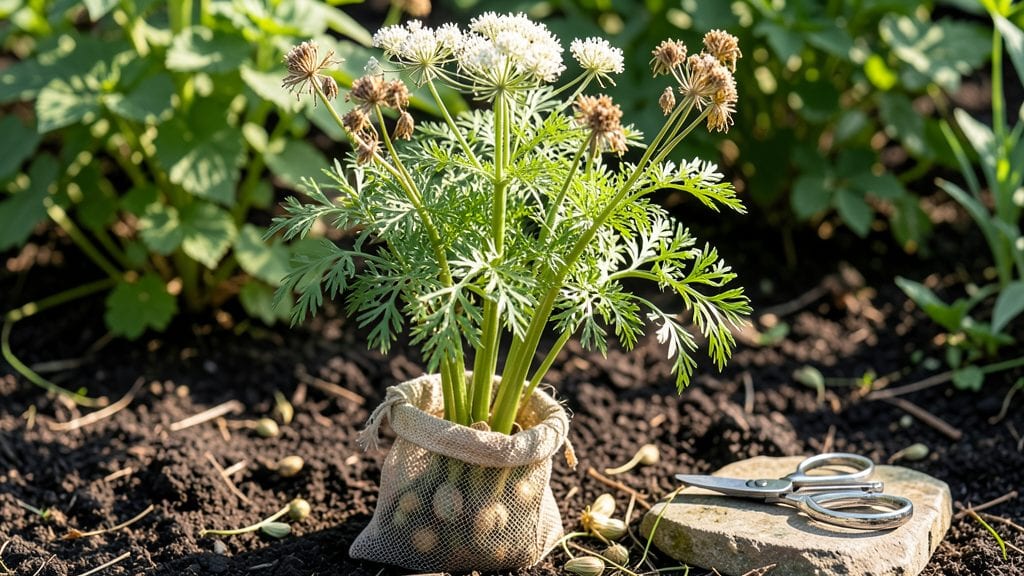
Getting coriander seeds from your homegrown plants means never buying them again—just wait for the right moment. 🌿 The trick is watching for those papery, tan-colored seed pods that form after the flowers fade, then harvesting them before they shatter and scatter everywhere.
I’ve lost count of how many times I’ve missed the window and ended up with seeds on my patio instead of in my jar.
You’ll need just a few things: a pair of clean scissors or pruning shears, a paper bag for drying, and a cool, dark place to store the finished seeds. The best part?
These seeds stay viable for years, so you’ll have a stash for fresh coriander every growing season. No more rushing to the store when a recipe calls for them.
Once you harvest the pods, spread them out on a tray to dry completely—this takes about 1-2 weeks—then rub them between your palms to release the tiny, aromatic seeds.
Store them in an airtight container, and you’ll have flavor on demand whenever you want to grow more or sprinkle them into dishes.
If you’re growing cilantro for the first time, here’s the secret: let some plants bolt and flower intentionally—those are the ones that’ll give you seeds. The rest can go straight to your kitchen for fresh leaves. It’s a two-in-one harvest that makes the effort worth it.
📚 In This Guide
- What you need
- Instructions
- Tips and common mistakes
- Wrapping up and next steps
What you need
- ● Fresh coriander (cilantro) plants: At least 3-5 mature plants (harvest when seeds turn brown and dry on the plant). Look for varieties like ‘Santo’ or ‘Calypso’ for better seed production. 🌿
- ● Pruning shears or sharp scissors: For cleanly snipping seed heads without damaging the stems.
- ● Paper bags or breathable fabric sacks: 2-3 medium-sized bags (brown paper or muslin work best) to dry seeds in a well-ventilated space.
- ● Rubbing alcohol (70% isopropyl) and cotton swabs: To sterilize tools and prevent mold.
- ● Fine-mesh sieve or colander: For separating seeds from stems and debris.
- ● Air-tight glass jars or containers: 1-2 jars with lids (quart-sized) for long-term storage.
- ● Food dehydrator: Speeds up drying if you’re short on time (set to 95°F–115°F).
- ● Labeling tags: To mark seed varieties and harvest dates.
- ● Mortar and pestle (or spice grinder): For crushing seeds into whole or ground forms.
- ● Garden twine or clothespins: To hang seed heads upside down for drying.
Step-by-Step instructions for harvesting coriander seeds
Here's how I turn fresh coriander plants into dried seeds for all my cooking needs.
🌱 Step 1: Grow Coriander Plants to Maturity
Start by planting coriander seeds in well-draining soil with full sun exposure (6-8 hours daily). I use a sunny windowsill or outdoor garden bed, keeping the soil consistently moist but never soggy. The plants will bolt (flower) in about 6-8 weeks—this is when the magic happens.
Watch for the first white flowers to appear on the stems. This signals the plant is ready for seed production. Once flowering begins, reduce watering slightly to let the seeds develop properly. You'll know you're on track when the flowers turn into small, round seed pods that start drying out.
☀️ Step 2: Wait for Seed Pods to Dry on the Plant
The pods need time to fully mature and dry on the plant. This usually takes about 2-3 weeks after flowering. I check daily by gently touching the pods—when they feel dry and papery to the touch, they're ready for harvest.
Don't rush this step. If you pick the pods too early, the seeds won't be fully developed. The pods should turn from green to a light brown color. You'll also see the seeds inside becoming visible through the thin pod walls.
✂️ Step 3: Harvest and Dry the Seed Pods
Once the pods are fully dry, cut the entire plant at the base with clean scissors or pruning shears. Place the stems in a paper bag and hang it upside down in a dry, well-ventilated area. This lets the pods finish drying and the seeds release naturally into the bag.
I like to do this indoors where it's warm and dry. After about 1-2 weeks, the bag will be full of seeds ready for storage. Shake the bag gently to release any remaining seeds from the pods.
🪴 Step 4: Store the Seeds Properly
Transfer the seeds to an airtight container like a glass jar. Store them in a cool, dark place like a pantry. Properly stored coriander seeds will keep their flavor for up to 1 year.
Label your container with the date so you know how fresh they are. For best results, use the oldest seeds first. You'll love having fresh, homegrown coriander seeds ready whenever you need them for cooking.
Tips & tricks for perfect coriander seed harvesting
These little-known tricks will help you get the most flavorful, plentiful coriander seeds from your plants.
Sunlight Secret: Those 6-8 hours of daily sun in Step 1 are non-negotiable for healthy plants. I've found that placing my windowsill plants on the southern exposure side gives them the most consistent light. If growing outdoors, choose a spot that gets morning sun and afternoon shade—this prevents the plants from bolting too quickly.
Harvesting Timing: In Step 2, the 2-3 week drying period after flowering is crucial. I've learned to check pods in the morning when they're dry from overnight air. If you harvest too early, the seeds won't be fully developed—think of it like waiting for coffee beans to fully ripen before picking. The pods should rattle slightly when shaken.
Drying Strategy: For Step 3, I've had the best results drying my coriander indoors using a small fan on low setting to circulate air around the bag. This speeds up the 1-2 week process by about 30%. Just make sure the fan isn't blowing directly on the bag—gentle circulation is key to prevent seed loss. The goal is to mimic natural drying conditions without creating a breeze.
Storage Wisdom: When storing your seeds in Step 4, I always add a small packet of silica gel to my glass jars along with the seeds. This extra step helps maintain their flavor for the full year. The silica absorbs any moisture that could cause the seeds to lose their aromatic oils over time.
Pro Tips for Get Coriander Seeds
- These little-known tricks will help you get the most flavorful, plentiful coriander seeds from your plants.
- Sunlight Secret: Those 6-8 hours of daily sun in Step 1 are non-negotiable for healthy plants.
- Harvesting Timing: In Step 2, the 2-3 week drying period after flowering is crucial.
Frequently asked questions
about getting coriander seeds—here’s what you need to know before harvesting or buying!Can I harvest coriander seeds from store-bought cilantro?
Unfortunately, no! Store-bought cilantro is often grown from hybrid seeds that won’t produce seeds. For seeds, you’ll need to grow coriander plants from seed (like Coriandrum sativum) in your garden or buy dried seeds from specialty stores.
How long does it take for coriander seeds to mature?
Coriander seeds take about 90–120 days to mature after planting. The plant first bolts (sends up a flower stalk), then forms seed pods in 2–3 weeks. If you’re growing it for seeds, avoid harvesting leaves too early—let the plant fully mature!
Where can I buy coriander seeds if I don’t want to grow them?
You can find coriander seeds at:
- Grocery stores: Look in the spice aisle (often labeled as "coriander" or "dhania").
- Online retailers: Amazon, Walmart, or specialty spice shops.
- Indian/Pakistani markets: They often sell whole coriander seeds in bulk.
- Local farmers' markets: Some vendors sell homemade or organic seeds.
Why are my coriander plants dying before they produce seeds?
Coriander is sensitive to heat and drought. If your plant bolts too early (sends up a flower stalk) or wilts, it may be due to:
- Overcrowding (thin seedlings early).
- Too much heat (plant in cooler seasons).
- Poor soil drainage (use well-draining soil).
- Pests like aphids (spray with neem oil if needed).
Can I substitute coriander seeds for other spices?
Yes! If you’re in a pinch, try these alternatives:
- Cumin seeds: Earthier and stronger—use half the amount.
- Fennel seeds: Sweeter and licorice-like (great in breads).
- Celery seeds: More bitter but works in savory dishes.
- Ground coriander: If you have whole seeds, grind them fresh for the best flavor!
Wrapping up and next steps
You now have all the tools to harvest and store fresh coriander seeds like a pro!
Whether you’re growing your own plants or sourcing them from local markets, these dried pods will bring bold, citrusy flavor to your kitchen all year. Don’t wait—start experimenting with them in curries, marinades, or even homemade spice blends!
Ready to take it further? Try growing coriander from seed next season—it’s easier than you think! 🌱 With a little patience, you’ll enjoy the full cycle of this versatile herb.