
Pests
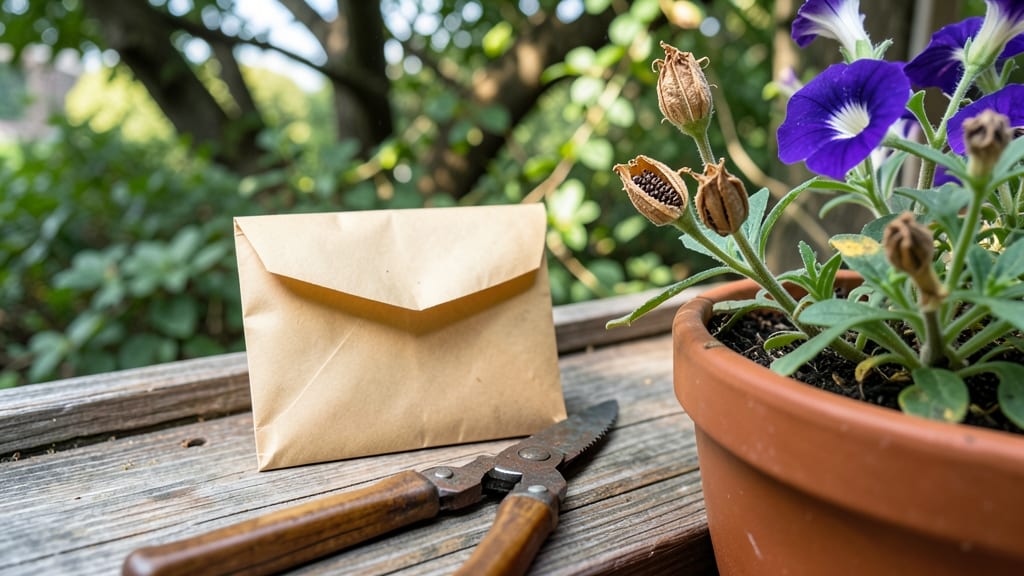
Getting petunia seeds isn’t as tricky as you’d think—whether you’re saving them from your own plants or buying them fresh. I’ve harvested seeds from my garden for years, and the process is simpler than you’d imagine, especially when you know the right timing and storage tricks to keep them viable.
The key is patience and understanding when petunias are ready to release their seeds, so you don’t miss the window.
You’ve got three main options: buy seed packets from nurseries or online retailers, save seeds from your own petunias, or root cuttings from healthy plants. Store-bought seeds are foolproof for beginners, while saving seeds lets you grow heirloom varieties that won’t break the bank.
Just remember—hybrid petunias often don’t produce true-to-type seeds, so if you want consistent colors, buying fresh packets is your best bet.
Once you’ve got your seeds, proper storage makes all the difference. Keep them in a cool, dry place—like a sealed envelope in the fridge—for up to a year, and they’ll stay ready to plant.
The payoff? A garden bursting with vibrant blooms that match exactly what you’re dreaming of, without the guesswork of transplants.
This method works year-round, whether you’re planning ahead for spring or extending your season with late-winter starts. Here’s how to make sure your petunia seeds turn into the showstopper garden you’ve been imagining.
📚 In This Guide
- What you need
- Instructions
- Tips and common mistakes
- Wrapping up and next steps
What you need
- ● Mature petunia plants: Choose healthy, fully bloomed plants (preferably with dead-headed flowers). Aim for at least 3-5 plants for a good seed yield.
- ● Small scissors or pruning shears: For cleanly snipping seed pods (sterilize with rubbing alcohol for hygiene).
- ● Paper bags or brown lunch bags: 2-3 bags (one per plant or per harvest day) to collect pods and seeds.
- ● Drying surface: A clean, dry tray or screen (like a window screen or coffee filter) to spread pods for drying.
- ● Fine-mesh sieve or sifter: To separate seeds from chaff (a small kitchen strainer works in a pinch!).
- ● Air-tight containers: 2-4 small jars (like mason jars or ziplock bags) with desiccant packets (silica gel or uncooked rice) to prevent moisture.
- ● Permanent marker: To label containers with plant variety and harvest date.
- ● Magnifying glass: For inspecting seed pods and seeds for pests or damage.
- ● Humidity pack: A DIY version (e.g., a damp paper towel in a sealed container) to test seed viability if unsure.
- ● Seed catalog or notebook: To track petunia varieties and their growing traits for future reference.
- ● Spray bottle with water: To gently mist pods if your climate is very dry during drying.
- ● Gloves: If you’re sensitive to plant sap or handling large quantities of seeds.
Step-by-step instructions for harvesting and storing petunia seeds
Here’s how to collect, dry, and store petunia seeds for next year’s garden—no fancy tools needed.
Identify and Select Healthy Petunia Flowers
Wait until late summer or early fall when petunia flowers have fully bloomed and begun to fade. Look for spent blooms that have turned brown and dried out completely—these are ready for seed collection. Avoid flowers that have been damaged by pests or disease, as their seeds may not germinate well.
Gently twist the dried flower heads between your fingers to release the seed pods. You’ll feel small, papery capsules inside. These pods contain the seeds you need. If the pods don’t open easily, let them dry out a bit longer on the plant or indoors.
Extract Seeds from the Dried Pods
Once the seed pods are fully dry, place them in a clean, dry container. Use your fingers or a small pair of scissors to carefully open each pod. Inside, you’ll find tiny, dark seeds mixed with fine, fluffy material—this is the chaff. Don’t worry if the seeds look small; petunia seeds are naturally tiny but pack a punch.
Sift the contents through a fine mesh strainer or piece of cheesecloth to separate the seeds from the chaff. Tap the strainer gently to help the lighter material fall through, leaving the heavier seeds behind. Store the seeds in a small envelope or airtight container once they’re clean.
Dry and Store Seeds Properly
Spread the extracted seeds on a piece of paper towel or a clean, dry surface in a single layer. Let them air-dry for 3-5 days in a cool, dry place away from direct sunlight. This step is crucial—moisture can cause the seeds to mold or spoil before you’re ready to plant them.
Once fully dry, transfer the seeds to a labeled envelope or small glass jar. Add a packet of silica gel or a moisture absorber if you’re storing them long-term, or simply seal them in an airtight container. Store the seeds in a cool, dark place like a pantry or fridge. Properly stored, petunia seeds can remain viable for 2-3 years, though germination rates may decline over time.
Label and Track Your Seeds
Write the variety name, date of collection, and any other relevant details on the storage container. This helps you keep track of what you’ve saved and ensures you plant the right flowers next season. For example, if you grew ‘Wave Purple’ petunias, label it clearly—mixing varieties can lead to unexpected colors or growth habits.
I like to keep a small notebook or digital file with notes on each variety’s performance, like how well it bloomed or if it resisted pests. This way, you can prioritize planting the best performers again. Store the container in a place where it won’t be disturbed, like a shelf in your pantry or a drawer.
Tips & tricks for perfect petunia seed harvesting
Harvesting petunia seeds doesn't have to be complicated—here are my go-to strategies to make the process smoother and more reliable.
Timing is Everything: I've found that early morning is the best time to collect dried flower heads, as they're often more pliable and easier to open. If you're working with particularly stubborn pods, place them in a paper bag and leave them overnight—the gentle movement helps loosen the seeds inside. Just avoid collecting in damp conditions, as moisture can ruin your seeds before you even begin.
Gentle Handling Prevents Damage: Petunia seeds are delicate, so avoid crushing them when separating from chaff. I recommend using a fine mesh strainer or even an old nylon stocking stretched over a bowl—this works just as well as cheesecloth and gives you more control. For extra clean seeds, try placing the strainer over a dark piece of paper; the seeds will stand out clearly against the background.
Drying Conditions Matter: While the instructions mention 3-5 days for drying, I've learned that humidity levels make a huge difference. If your home is particularly damp, consider using a small fan on low speed to gently circulate air around the seeds. This can cut your drying time to just 2-3 days without risking mold. Just keep the seeds out of direct sunlight—they need to dry slowly and evenly.
Storage Upgrade: For long-term storage beyond 2-3 years, I recommend adding a small packet of silica gel to your container. You can find these in shoeboxes or buy them online—they're inexpensive and dramatically extend seed viability. I also like to store my seeds in glass jars with tight-sealing lids; they're easier to find in dark pantries and provide better protection against moisture than paper envelopes.
Pro Tips for Get Petunia Seeds
- Harvesting petunia seeds doesn't have to be complicated—here are my go-to strategies to make the process smoother and more reliable.
- Timing is Everything: I've found that early morning is the best time to collect dried flower heads, as they're often more pliable and easier to open.
- Gentle Handling Prevents Damage: Petunia seeds are delicate, so avoid crushing them when separating from chaff.
Frequently asked questions
Got questions?
Here are some of the most common ones about harvesting, storing, and growing petunia seeds—plus quick answers to help you avoid frustration and maximize success!
When is the best time to collect petunia seeds?
Petunia seeds ripen late in the season, typically 6–8 weeks after flowering. Wait until the seed pods turn brown and dry (they’ll split open on their own!). Harvest them on a dry, sunny day to prevent mold. If pods open too soon, cover them with a breathable mesh bag to catch the tiny seeds.
How long can I store petunia seeds before planting?
Petunia seeds stay viable for 2–4 years if stored properly in a cool, dry place (like a sealed envelope or airtight container with silica gel). For best results, label them with the date and plant within a year. Pro tip: Freeze seeds for longer storage (up to 5 years) by placing them in a sealed bag with a moisture absorber.
What if my petunia flowers don’t produce seeds?
Some petunia varieties (especially hybrids like Grandiflora) are sterile and won’t produce seeds. Check your plant’s label—if it’s labeled as "seedless" or "F1 hybrid," you’ll need to buy seeds or grow from cuttings. For seed-bearing types, ensure they’re fully pollinated (hand-pollinate with a paintbrush if needed) and healthy with no pests.
Can I grow petunias from store-bought seeds, or should I save my own?
Store-bought seeds are often hardier and more reliable for beginners, as they’re bred for disease resistance and vibrant blooms. Saved seeds may not match the parent plant’s traits (they could revert to wild-type or weaker varieties). However, saving seeds is rewarding for heirloom or open-pollinated petunias—just expect potential variations!
Why are my seed pods getting eaten or damaged?
Pests like aphids, slugs, or earwigs love petunia seed pods. Protect them with row covers or neem oil spray. If pods split prematurely, it could also be due to overripe pods or fungal issues—harvest them as soon as they’re dry to avoid losses. Store seeds in a cool, dark place to prevent mold or pest infestations.
Wrapping up and next steps
Growing petunias from seeds is a rewarding journey that lets you cultivate vibrant blooms tailored to your garden’s style! 🌸 With the right tools—like proper harvesting techniques, careful drying, and smart storage—you can preserve those seeds for years.
Whether you’re a seasoned gardener or just starting, every step brings you closer to a lush, colorful garden.
Ready to take the next step? Start by planting those stored seeds in early spring—your future garden will thank you! For extra tips, explore our gardening resources or share your progress with fellow plant lovers. Happy gardening! 🌱