
Size
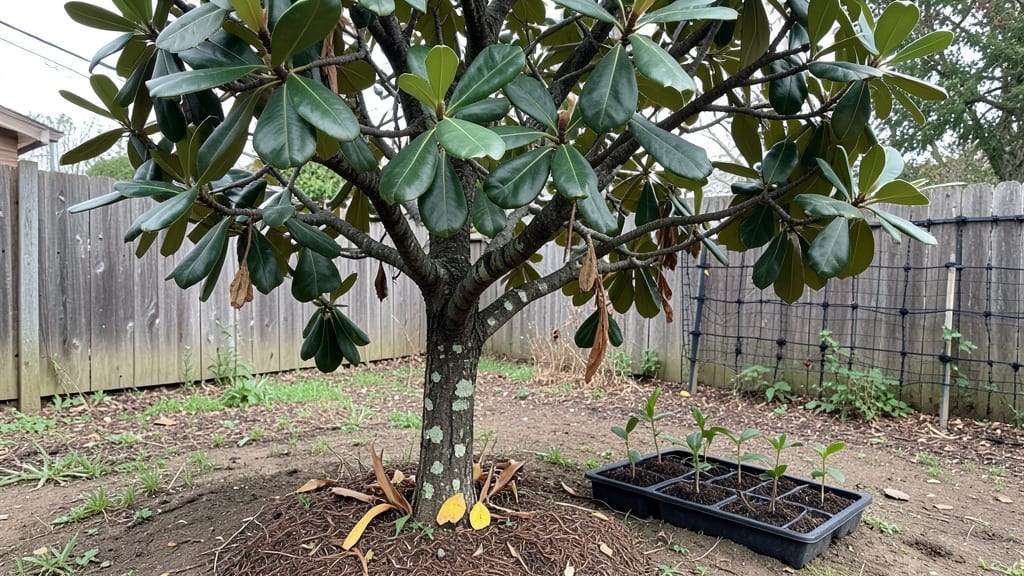
Growing a magnolia from seed is a marathon, not a sprint—those first blooms might take five to ten years, but the journey is where the magic happens. 🌱 I’ve watched my own magnolia seedlings push through soil like tiny green warriors, knowing they’ll one day become the fragrant giants of my garden.
The real secret isn’t speed; it’s patience and the right conditions to coax those stubborn seeds awake.
You’ll need fresh seeds (or dried ones soaked overnight), a mix of peat and perlite for lightweight drainage, and a warm, humid spot—think 70°F with bright indirect light. Most people rush the germination, but magnolias demand time: some take months to crack open.
Once sprouted, keep them in pots for at least two years before transplanting, because their roots are delicate early on.
By year three, you’ll see real growth—thick stems, glossy leaves, and maybe even a tiny flower bud. That’s when the wait feels worth it: a magnolia grown from seed develops deeper roots, stronger branches, and blooms that last longer than nursery plants.
The smell alone makes the decades of patience disappear.
Fair warning: this isn’t a quick project, but it’s one that turns your garden into a legacy. Start now, and in a decade, you’ll have a tree that’s uniquely yours—no two magnolias grown from seed are exactly alike. Here’s how to begin.”
📚 In This Guide
- What you need
- Instructions
- Tips and common mistakes
- Wrapping up and next steps
What you need
- ● Magnolia seeds: Fresh, viable seeds (preferably from a mature tree; check for plump, firm seeds—avoid shriveled ones). Quantity: 5–10 seeds for best results.
- ● Well-draining potting mix: A blend of peat moss, perlite, and sand (or a cactus/succulent mix) to prevent rot. Quantity: Enough to fill small pots (4–6 inches deep).
- ● Small pots or seed trays: With drainage holes (4–6 inches in diameter). Quantity: 1 pot per seed or a tray with individual cells.
- ○ Plastic wrap or humidity dome: To create a mini greenhouse effect. Optional but highly recommended!
- ● Spray bottle: For gentle watering (avoid soaking the soil).
- ○ Fertilizer (optional but helpful): A balanced, water-soluble fertilizer (5-5-5 or 10-10-10) diluted to half-strength. Use sparingly—only after germination!
- ● Grow lights or sunny windowsill: Magnolia seeds need bright, indirect light (6–8 hours/day) to germinate.
- ● Patience and a warm spot: Magnolia seeds can take weeks to months to sprout—consistency is key!
- ● Seed scarification tools: Sandpaper (fine-grit) or a knife to lightly nick the seed coat (helps break dormancy).
- ● Heat mat: Maintains soil temp at 70–80°F (21–27°C) for faster germination.
- ● Humidity tray: A shallow tray with pebbles and water to boost moisture levels.
- ● Epsom salt: A pinch (½ tsp per gallon of water) can boost magnesium for young seedlings.
- ● Journal/notebook: Track planting dates, watering, and growth milestones!
Step-by-step instructions for growing a magnolia seed
Here's how to coax those tiny seeds into sturdy saplings with patience and precision.
🌱 Step 1: Harvest and Prepare the Seeds
Collect seeds from fully ripe, pink or purple magnolia seed pods—wait until they turn brown and split open naturally. Inside, you'll find winged seeds about 1 inch long. Remove them carefully, avoiding any with cracks or insect holes. I store them in a paper envelope in the fridge until ready to plant, which mimics their natural winter dormancy period.
Before sowing, soak the seeds in lukewarm water for 24 hours. This softens the tough outer shell and jumpstarts germination. Don't skip this step—dry seeds can take 6-12 months to sprout, while soaked seeds often germinate within 4-8 weeks. After soaking, drain them on a paper towel for a day to prevent rot.
🪴 Step 2: Sow in Well-Draining Mix
Fill a 4-inch diameter pot with a mix of 50% peat moss and 50% perlite—this ensures excellent drainage, which magnolias need to avoid root rot. Plant each seed ½ inch deep, pressing lightly so the soil makes contact with the seed's flat side. Space seeds 2 inches apart if sowing multiple in one container.
Place the pot in a clear plastic bag and seal it loosely. This creates a humid environment that mimics the damp forest floor where magnolias thrive. Set the bagged pot in a cool, shaded spot (around 60-65°F)—direct sunlight or warmth will dry out the seeds too quickly. Check weekly for condensation; if the bag fogs up, open it for 30 minutes to prevent mold.
☀️ Step 3: Provide Gradual Light and Warmth
After 4-8 weeks, you'll see the first signs of germination—tiny green shoots pushing through the soil. This is the moment to move the seedlings into bright, indirect light. I use a south-facing window with sheer curtains to filter harsh rays. If you notice the seedlings stretching toward the light (a sign of leggy growth), rotate the pot daily so they grow straight.
Once the seedlings have 2-3 sets of true leaves (not the first tiny cotyledons), gradually introduce them to morning sun. Start with 1 hour daily and increase by 30 minutes weekly until they tolerate 4-6 hours of sun. This slow transition prevents sunburn on delicate new leaves. Keep the soil consistently moist but never soggy—magnolia seedlings hate "wet feet."
✂️ Step 4: Transplant and Prune for Strength
When seedlings reach 6-8 inches tall (usually after 6-12 months), it's time to transplant them into individual 6-inch pots with a mix of 60% potting soil, 20% sand, and 20% compost. Handle the seedlings gently by their leaves—never the stems—to avoid damage. Water thoroughly after transplanting to settle the soil around the roots.
Pinch off the top set of leaves when the seedling reaches 12 inches tall. This encourages bushier growth by stimulating side branches. I also remove any yellowing or damaged leaves immediately—magnolias direct energy into new growth, not repair. Over the first year, focus on root development by keeping the soil slightly moist and the environment stress-free. Patience here pays off: strong roots mean faster blooming later.
🌿 Step 5: Acclimate for Outdoor Planting
Two weeks before your last frost date, start hardening off the seedlings by placing them outside in a shaded, sheltered spot for 1-2 hours the first day. Gradually increase their outdoor time over 10-14 days, exposing them to morning sun first and bringing them inside before afternoon heat sets in. Watch for wilting or curled leaves—these are signs they're not ready for longer exposure.
Choose a permanent outdoor spot with partial shade (magnolias hate hot afternoon sun in their early years). Dig a hole twice as wide as the root ball but only as deep as the pot. Amend the native soil with compost to improve drainage. After planting, water deeply to eliminate air pockets, then mulch with 2 inches of organic mulch to retain moisture and regulate soil temperature. Your magnolia won't bloom for 5-10 years, but with this care, you'll have a tree that lives for centuries.
Tips & tricks for growing magnolia seeds
Real talk: Growing magnolia seeds from scratch is a marathon, not a sprint. These small adjustments make all the difference between a thriving sapling and a frustrating failure.
Soaking Strategy: That 24-hour soak in lukewarm water is non-negotiable. I've tried skipping it, and dry seeds took nearly a year to sprout. Pro tip: Use a shallow dish with just enough water to cover the seeds—no need to submerge them completely. After soaking, pat them dry on paper towels for 24 hours before planting. This prevents rot while keeping the shells pliable for germination.
Humidity Control: The plastic bag trick in Step 2 works wonders, but don't seal it airtight. Leave it loosely closed so you can check for condensation weekly. If the bag fogs up, open it for 30 minutes to prevent mold—this is your early warning system. I place a small dish of water inside the bag for extra humidity if my home tends to be dry. The goal is damp, not soggy.
Light Transition: When you move seedlings to bright indirect light after 4-8 weeks, pay attention to their growth patterns. If they're stretching toward the light (leggy growth), rotate the pot daily so they grow straight. I use a timer to remind myself to rotate them every 12 hours—this small habit prevents weak stems that can't support themselves. Remember, morning sun is gentler than afternoon heat.
Transplant Timing: The 6-12 month window for transplanting might seem long, but don't rush it. Seedlings need strong roots to handle the move. I check for readiness by gently tugging on the seedling—if it resists coming out of the pot, it's ready. Also, aim for spring transplanting if possible. New roots establish better when temperatures are mild, around 65°F.
Pro Tips for Grow A Magnolia Seed
- Real talk: Growing magnolia seeds from scratch is a marathon, not a sprint.
- Soaking Strategy: That 24-hour soak in lukewarm water is non-negotiable.
- Humidity Control: The plastic bag trick in Step 2 works wonders, but don't seal it airtight.
Frequently asked questions
Got questions about growing magnolia seeds? You’re not alone—this process can feel tricky at first! Here are some of the most common queries to help you navigate the journey with confidence.
How long does it take for a magnolia seed to germinate?
A magnolia seed typically takes 4–12 weeks to germinate, depending on temperature and moisture. Cold stratification (replicating winter conditions) speeds this up—aim for 6–8 weeks in the fridge before planting. Patience is key; some seeds may take months!
Do I really need to cold-stratify magnolia seeds?
Yes! Magnolia seeds require cold stratification to break dormancy. Without it, germination rates drop drastically. Place seeds in a damp paper towel or peat moss, then refrigerate for 60–90 days before sowing. Think of it as giving them a "winter nap."
Can I grow a magnolia from a store-bought seed?
Store-bought magnolia seeds might not grow true to the parent plant—especially if they’re hybrid varieties. For reliable results, source seeds from a mature, healthy magnolia tree in your area. Nursery seeds are safer but may lack the "wow" factor of a wild-grown tree!
What do I do if my magnolia seed sprouts mold?
Mold is a red flag! If you spot fuzzy growth, remove the seed immediately and repot it in fresh, sterile soil. Ensure your container has drainage holes and avoid overwatering. A 1:1 mix of perlite and peat moss helps prevent mold while keeping moisture balanced.
How big should my magnolia seedling be before transplanting outdoors?
Wait until your seedling has 4–6 true leaves and is at least 6–12 inches tall before moving it outside. Harden it off gradually (1–2 weeks of outdoor acclimation) to avoid shock. Choose a partial-shade spot with well-draining soil—just like its parent tree!
Wrapping up and next steps
Growing a magnolia from seed is a rewarding journey that blends patience with the joy of nurturing life. 🌱 With the right tools—like fresh seeds, proper stratification, and consistent care—you’ll witness nature’s magic unfold as delicate blooms emerge years later. Don’t let the wait discourage you! Start small, stay consistent, and soon you’ll be the proud gardener of a stunning magnolia tree.
Ready to take the next step? Plant your seeds today and watch your garden transform! 🌸 For extra tips, explore local gardening forums or connect with fellow plant enthusiasts to share your progress.