
Size
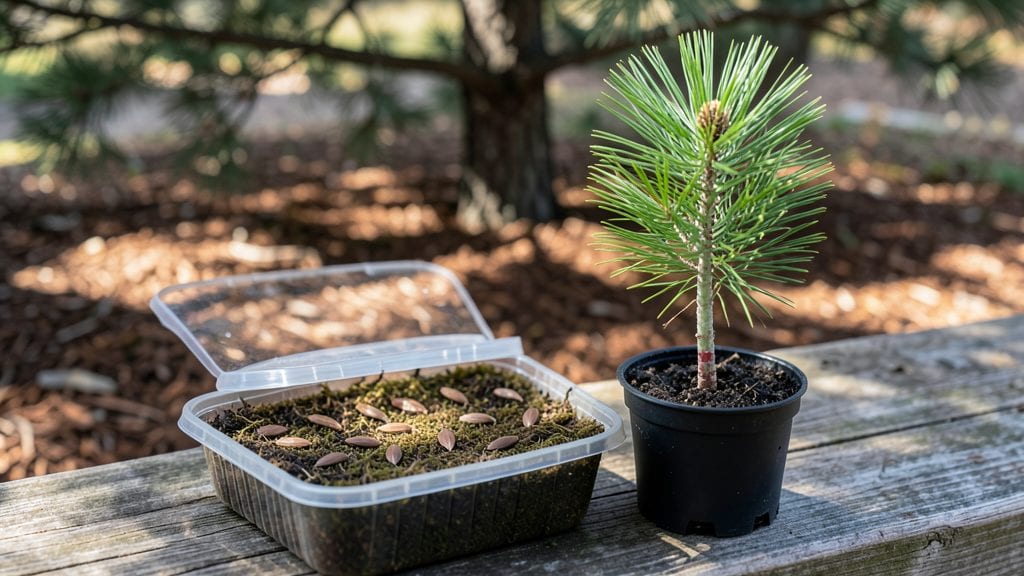
Growing pine seeds into towering backyard trees starts with patience and the right conditions. ✨ I’ve watched my own pine seedlings push through soil to become 6-foot saplings—proof that forest giants begin with a single seed.
The key isn’t magic; it’s mimicking the slow, steady conditions pines thrive in, whether you’re starting indoors or direct-sowing outdoors.
You’ll need a few simple supplies: fresh pine seeds (collected from cones or purchased), a mix of sand and peat moss for drainage, and a sunny spot with consistent moisture.
Most pines take 3-6 months just to germinate, so this isn’t a quick project—but the satisfaction of nurturing a tree that could live for centuries makes it worth every wait. Indoor starters need a warm, bright window or grow light, while outdoor seedlings benefit from winter’s natural cold stratification.
The real reward comes years later, when your sapling stands tall with needle-like foliage and the faint scent of resin. By summer, you’ll see new growth each year, and with proper care, your pine could one day provide shade, shelter wildlife, and even produce cones of its own.
It’s a long-term investment in both beauty and nature’s legacy.
Regional climates matter—cooler zones may need extra winter protection, while hotter areas require afternoon shade for young seedlings. Either way, the process is the same: nurture with care, and let time do the rest. Ready to plant the future of your yard?
📚 In This Guide
- What you need
- Instructions
- Tips and common mistakes
- Wrapping up and next steps
What you need
- ● Pine seeds: Collect fresh, viable seeds from mature pine cones (or buy them from a nursery). Aim for 10–20 seeds to maximize success.
- ● Seed-starting mix: A lightweight, well-draining potting soil (e.g., 50% peat moss, 30% perlite, 20% vermiculite). Avoid garden soil—it’s too dense!
- ● Seed trays or small pots: Use biodegradable peat pots (3–4 inches deep) or plastic trays with drainage holes. 10–20 pots (one per seed) work well.
- ○ Clear plastic domes or plastic wrap: To create a humid microclimate (optional but helpful for germination).
- ● Spray bottle: For gentle watering—avoid over-saturating the soil.
- ● Grow lights or sunny windowsill: Pines need 12–16 hours of light daily. A full-spectrum LED grow light (or a south-facing window) is ideal.
- ● Heat mat: Speeds up germination (set to 70–80°F).
- ● pH meter or test kit: Pines prefer acidic soil (pH 5.0–6.5).
- ● Fertilizer (balanced 10-10-10 or pine-specific): Lightly apply once seedlings reach 3–4 inches.
- ● Pruning shears: For trimming leggy seedlings later.
- ● Outdoor space (after hardening): A partially shaded, wind-protected area for transplanting.
Step-by-Step instructions for growing pine saplings from seeds
Here's how to turn pinecones into strong young trees—no greenhouse needed.
🌱 Step 1: Collect and Prepare the Seeds
Find fresh pinecones from the ground (not still attached to trees) and open them carefully. I look for cones that have been on the forest floor for at least a year—they've had time to dry properly. Place the cones in a paper bag and store them in a warm, dry spot for 2-3 months to complete drying. This mimics winter conditions and breaks seed dormancy.
After drying, shake the cones over a tray to release the seeds. Pine seeds are tiny—about the size of a grain of sand—so I use a fine mesh screen to catch them. Collect the seeds in a small container and label it with the pine species and collection date. This ensures you track germination progress accurately.
💧 Step 2: Stratify the Seeds for Germination
Pine seeds need cold stratification to break dormancy. Mix the seeds with slightly damp sand or peat moss in a container and refrigerate for 30-90 days. I use a small plastic bag with a few holes poked in the top—just enough to keep the mix moist but not soggy. Check the mix weekly and add a few drops of water if it feels dry.
This cold treatment mimics winter's natural process. After the stratification period, remove the container from the fridge and let it sit at room temperature for 1-2 weeks before sowing. You'll see the first signs of germination as tiny white roots appear—this is your cue to plant them quickly.
☀️ Step 3: Sow the Seeds in a Controlled Environment
Fill small pots or seed trays with a mix of 50% peat moss and 50% perlite to ensure good drainage. Plant the seeds ¼ inch deep—any deeper and they may struggle to emerge. I use toothpicks to create small holes and place one seed in each. Cover lightly with the same mix and mist gently with water until the surface looks evenly damp.
Place the pots in a warm, sunny spot with indirect light—direct sun can dry out the soil too quickly. A south-facing window with a sheer curtain works well. Keep the soil consistently moist but never waterlogged. Germination can take 4-12 weeks, depending on the pine species, so patience is key.
🌿 Step 4: Care for Seedlings Until Transplanting
Once seedlings emerge, provide bright, indirect light for the first few weeks to prevent leggy growth. I use a small grow light on a timer for 12-14 hours daily if natural light is insufficient. Water gently at the base of the seedlings to avoid disturbing the delicate roots—use a spray bottle for the first few weeks.
When seedlings reach 2-3 inches tall and have developed their first true needles, they're ready for their first transplant into slightly larger pots. Use a mix of potting soil and perlite to maintain good drainage. Harden off the seedlings by gradually increasing their time outside over 2 weeks before planting them in the ground.
🪴 Step 5: Plant Outdoors in the Right Conditions
Choose a location with full sun and well-draining soil. Pine seedlings thrive in slightly acidic soil with a pH between 5.0 and 7.0. Dig a hole twice as wide as the root ball but only as deep as the container. Gently remove the seedling from its pot and place it in the hole, ensuring the top of the root ball is level with the soil surface.
Backfill the hole with soil and water deeply to settle the roots. Mulch around the base with 2-3 inches of pine needles or wood chips to retain moisture and mimic the forest floor. Keep the soil consistently moist for the first 2 months after transplanting, then reduce watering to once a week unless the weather is particularly dry.
Tips & tricks for perfect pine seedling growth
Growing pine saplings from seeds requires patience and attention to detail—but these tricks will help you avoid common pitfalls and maximize your success.
Seed Collection Wisdom: In Step 1, focus on cones that have spent at least a year on the ground—they've completed their natural drying cycle. I've learned the hard way that freshly fallen cones often need an extra month of drying time to break dormancy properly. Store them in a paper bag with good airflow to prevent mold, and avoid plastic containers that trap moisture.
Stratification Strategy: For Step 2, don't rush the 30-90 day cold treatment—this is absolutely critical. I recommend checking your seeds every 10 days during stratification. If you notice any mold or unusual smells, discard those seeds immediately. The tiny white roots that appear after removing from cold are your signal to move quickly to planting—these roots grow fast once they start!
Lighting Secrets: When your seedlings emerge in Step 3, bright indirect light is key. I've found that placing pots on a table near an east-facing window provides perfect morning sun without the harsh afternoon rays. If using grow lights, position them just 6-8 inches above the seedlings to prevent leggy growth. Remember, pine seedlings need plenty of light to develop strong stems.
Transplanting Timing: In Step 4, wait until seedlings reach 2-3 inches with true needles before transplanting—this ensures they have enough energy reserves. I harden off my seedlings by placing them outside for just 1 hour on day one, gradually increasing to full sun exposure over the 2-week period. This gradual transition prevents shock and helps them adapt to outdoor conditions more successfully.
Pro Tips for Grow Pine Seeds
- Growing pine saplings from seeds requires patience and attention to detail—but these tricks will help you avoid common pitfalls and maximize your success.
- Seed Collection Wisdom: In Step 1, focus on cones that have spent at least a year on the ground—they've completed their natural drying cycle.
- Stratification Strategy: For Step 2, don't rush the 30-90 day cold treatment—this is absolutely critical.
Frequently asked questions
Got questions about growing pine seeds? You’re not alone—this process can feel tricky at first! Below, we’ve rounded up the most common concerns and troubleshooting tips to help you succeed. Whether you’re wondering about timing, soil, or patience, we’ve got you covered.
How long does it take for pine seeds to germinate?
Pine seeds can take anywhere from 4 weeks to 6 months to germinate, depending on the species and conditions. Some seeds, like those from white pine, sprout faster (4-8 weeks), while others, like ponderosa pine, may need cold stratification (mimicking winter) for months. Patience is key! Keep the soil moist and warm (70-75°F) to encourage sprouting.
Do pine seeds need cold stratification?
Yes! Most pine seeds benefit from cold stratification—a process that mimics winter—to break dormancy. Place seeds in a damp paper towel inside a sealed bag and refrigerate for 30-90 days before planting. Some species, like jack pine, even require this step. Skip it, and germination rates may drop significantly.
Can I grow pine seeds indoors?
Start seeds indoors in small pots with well-draining soil, about 6 months before the last frost. Use a seed-starting mix and keep them under grow lights (12-16 hours/day) until they’re 2-3 inches tall. Hardening off (acclimating to outdoor temps) for 1-2 weeks before transplanting is crucial—they’re not fans of sudden changes!
What if my pine seeds won’t sprout?
If seeds refuse to sprout, check these common issues:
- Old seeds: Pine seeds lose viability quickly (often <1 year). Use fresh seeds for best results.
- Poor soil: Pine seeds need well-draining, slightly acidic soil (pH 5.0-6.5). Amend with sand or perlite if needed.
- Lack of light: They need bright, indirect light. A sunny windowsill or grow light helps.
- Over/under-watering: Keep soil consistently moist but not soggy.
How big should a pine seedling be before planting outdoors?
Wait until seedlings are 2-3 feet tall and have a sturdy root system before transplanting outdoors. This usually takes 1-2 growing seasons indoors. Plant in late spring or early fall, avoiding extreme heat or frost. Choose a sunny, wind-protected spot with acidic soil for the best growth.
Wrapping up and next steps
Growing pine seeds into thriving saplings is a rewarding journey that connects you to nature’s beauty—one tiny seed at a time! 🌱 With patience, the right conditions, and a little care, you can nurture a forest right in your backyard.
Whether you’re aiming for a privacy screen, wildlife haven, or just the joy of watching life grow, start small, stay consistent, and celebrate each milestone.
Ready to turn your green thumb into a pine tree whisperer? Pick a seed, prep your space, and plant with confidence! Your future forest awaits—what will you grow next?