
How To
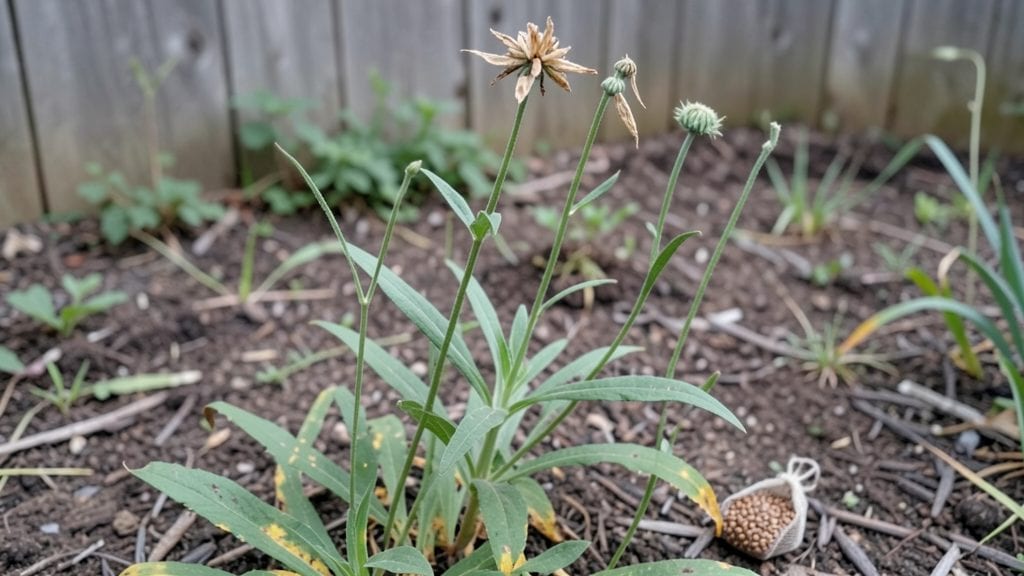
Harvesting evening primrose seeds at the right moment ensures you save the best quality for next year’s garden—timing is everything.
Evening primrose 🌸 produces delicate yellow blooms that not only brighten your garden but also yield valuable seeds for propagation—if you know when and how to collect them properly.
Miss the window, and you’ll end up with shrivelled seeds or worse—empty pods that crumble at the touch. But get it right, and you’ll have a stash of seeds ready to plant come spring.
Below, I’ll walk you through the exact signs to look for, the tools you’ll need, and how to store them so they stay viable until planting season.

When to harvest evening primrose seeds: optimal timing for peak viability
Timing is everything when harvesting evening primrose seeds—collect them too early, and you’ll end up with immature, non-viable seeds. Wait too long, and they may scatter on their own or attract pests.
The critical window for seed collection falls between late summer and early fall, typically August through September in most USDA zones, including Zone 6a and warmer regions.
Evening primrose (Oenothera biennis) follows a biennial life cycle, meaning it produces seeds in its second year. By the time you’re ready to harvest, the plant will have grown 2-3 feet tall with dry, woody stems and brown seed pods.
Paying attention to these seasonal cues ensures you capture seeds at their peak viability for next year’s garden.
🌱 How to Harvest Evening Primrose Seeds: Step-by-Step Timing Guide
-
1. Identify Mature Seed Pods
Look for brown, dry pods that have turned papery and brittle. These will rattle when shaken due to mature seeds inside. -
2. Wait for Natural Splitting
Pods should begin splitting open along their seams. If they’re still closed or green, wait 1-2 weeks for full maturity. -
3. Harvest on Dry, Sunny Days
Collect seeds when humidity is low (ideally below 60%) to prevent mold or rot. Morning hours are best to avoid evening dew. -
4. Remove Seeds Gently
Use clean fingers or tweezers to pull seeds from pods. Avoid shaking plants directly over concrete or pavement—seeds may scatter. -
5. Test Seed Viability
Before storing, float-test a few seeds in water. Viable seeds sink; those that float are non-viable. Aim for 80%+ viability for best results.
One of the biggest mistakes gardeners make is harvesting seeds when the pods are still green or slightly brown. These immature seeds won’t germinate well, wasting your time and effort.
Always wait until the pods are fully dry and splitting open naturally—this usually happens 4-6 weeks after flowering, depending on your climate.
Weather plays a critical role in seed maturity. In hot, dry climates, pods may dry out faster, while cool, humid conditions can delay ripening.
If you’re in a cooler zone, like Zone 5 or 6, keep an eye on the first frost date (typically around November 1 in these areas). Harvest seeds at least 2-3 weeks before frost to ensure they’re fully mature.
Pro tip: Mark your calendar based on your local last frost date and flowering timeline. Evening primrose flowers typically bloom in late spring to early summer, so seeds should be ready by mid-to-late summer.
If you miss the window, you can still collect seeds in early fall, but germination rates may drop slightly.
Another key indicator is the color and texture of the seeds themselves. Mature evening primrose seeds are dark brown to black and plump, not shriveled or light-colored. If you’re unsure, cut open a pod—if the seeds inside are dark and firm, they’re ready for harvest.
If they’re light-colored or mushy, wait a few more days.
For gardeners in warmer climates (Zones 7-10), the harvest window may extend into October. However, be cautious—prolonged heat or drought can cause pods to open prematurely, scattering seeds before you’re ready.
If this happens, cover plants with breathable fabric to protect seeds until you can collect them.
Once you’ve harvested, process seeds quickly to maintain viability. Spread them on a clean, dry surface (like paper towels or a mesh screen) in a well-ventilated area for 1-2 weeks to dry completely.
Store them in a cool, dark place in an airtight container with a silica gel packet to absorb moisture.
With the right timing, your evening primrose seeds can remain viable for 2-3 years, giving you a reliable source for future gardens. Just remember: patience is key—rushing the harvest can mean the difference between healthy seedlings and failed germination next spring.
Step-by-step guide to harvesting and processing evening primrose seeds
Harvesting evening primrose seeds at the right time ensures high germination rates and healthy plants for next season. The process is simple but requires patience—wait until seed pods turn brown and begin splitting open naturally.
If you collect too early, the seeds won’t be viable, and if you wait too long, they may scatter or attract pests. Grab a paper bag or envelope to catch them gently, and avoid shaking plants too hard to prevent seed loss.
Before you begin, gather your essential tools: a pair of clean pruning shears, a paper bag or envelope, a drying tray, and a small fan or dehumidifier for storage. Work on a dry, sunny day to minimize moisture, which can lead to mold.
Wear gloves if you’re sensitive to plant fibers, as evening primrose seeds can be slightly irritating. Once you’re ready, follow these steps to harvest and process your seeds efficiently.
How to Harvest Evening Primrose Seeds
- Step 1: Identify Mature Seed Pods Look for brown, dry seed pods that have split open along their seams. These pods will often rattle when shaken—a sure sign seeds are ready. Avoid green or firm pods, as they’re not yet mature.
- Step 2: Gently Collect the Pods Use clean pruning shears to snip the entire seed head or carefully twist it off the stem. Place the pods in a paper bag to catch any seeds that may fall out. Avoid crushing the pods to prevent seed damage.
- Step 3: Dry the Seed Pods Spread the pods on a drying tray in a warm, dry location (like a sunny windowsill or dehydrator set to 90°F). Let them dry for 3–5 days until completely crisp. This step ensures seeds won’t mold during storage.
- Step 4: Extract the Seeds Once dry, gently crush the pods between your fingers or use a small sieve to separate seeds from chaff. Discard any debris and store seeds in a paper envelope or airtight container with a desiccant packet to absorb moisture.
- Step 5: Label and Store Label your container with the harvest date and store it in a cool, dark place (like a fridge or seed vault). Properly stored seeds remain viable for 2–3 years, though germination rates drop over time.
One of the most common mistakes gardeners make is harvesting seeds too early—this leads to poor germination rates or no growth at all. Always wait until pods are fully brown and dry before collecting.
Another pitfall is storing seeds in plastic bags, which traps moisture and causes mold. Opt for paper or breathable containers instead. If you notice seeds sprouting prematurely, they may have absorbed too much humidity.
After processing, you can test seed viability by placing a few in a damp paper towel for a week. If they sprout, your batch is ready for planting. For direct sowing, scatter seeds on well-drained soil in early spring or fall, as evening primrose thrives in cooler temperatures.
Avoid transplanting seedlings, as they struggle with root disturbance. With proper care, your harvested seeds will yield vibrant blooms next season!
🌱