
How To
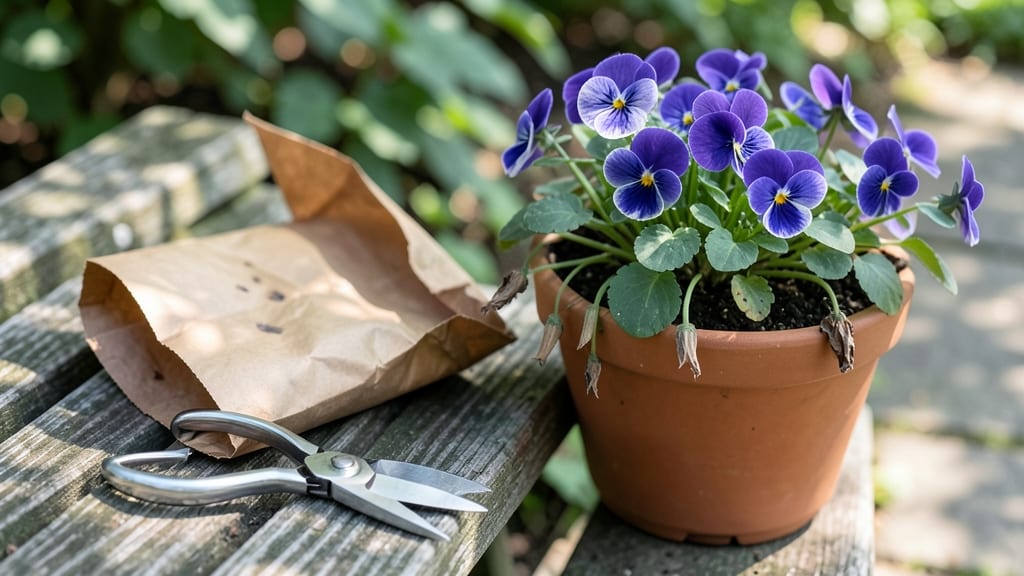
Harvesting pansy seeds is your ticket to next year’s free, vibrant blooms—but only if you catch them at the right time 🌸.
Pansies aren’t just pretty faces in your garden—they’re seed-producing powerhouses that can give you free, vibrant blooms next season if you know when and how to collect them. But timing is everything, and missing the window means wasting a year of potential growth.
Most gardeners overlook this step, assuming pansies are too fussy to save. The truth? With just a few minutes of effort in late spring, you’ll have seeds ready for next year’s garden—no store-bought plants needed.
In this guide, I’ll walk you through exactly when to spot those ready-to-harvest pods, how to dry them properly, and the best way to store them so they stay viable until planting season.

When to harvest pansy seeds: the critical timing window
Harvesting pansy seeds at the right moment is like catching a fleeting sunset—miss it, and you lose the chance to grow next year’s vibrant blooms.
The critical timing window for pansy seeds falls in late spring to early summer, right after the flowers fade but before the seed pods split open naturally. This window is narrow, typically spanning just 2-3 weeks, so staying alert is key.
Pansies produce seeds in dried seed pods that form after flowering. When the blooms wilt and turn brown, the plant redirects energy to seed development. If you wait too long, the pods will crack open, scattering seeds across your garden or onto the soil—making collection nearly impossible.
Timing your harvest correctly ensures high germination rates and saves you from wasted effort.
Here’s the golden rule: harvest pansy seeds when the pods are fully brown and crispy but haven’t yet split open. This usually happens about 4-6 weeks after flowering, depending on your climate.
In cooler regions, this might extend into early summer, while warmer zones could see pods mature sooner. Pay close attention to weather conditions—dry, sunny days speed up the drying process, while humidity can delay it.
I’ve learned the hard way that overripe pods release seeds too easily, and underripe pods yield weak or non-viable seeds. The difference between success and failure often comes down to a few days of observation.
Mark your calendar or set a reminder when your pansies first bloom—this helps you track the 4-6 week maturation period accurately.
Another pro tip: Deadhead spent blooms early in the season to encourage more flowers and, ultimately, more seed pods. This doesn’t affect seed production but ensures you have a larger harvest to work with. Just remember, once the flowers fade, the clock starts ticking for seed maturity.
| Stage | Visual Cues | Action Required | Timing Window |
|---|---|---|---|
| Flowering | Bright blooms open | Deadhead spent blooms | Spring |
| Pod Formation | Green pods appear | Monitor growth | 2-3 weeks post-bloom |
| Maturation | Pods turn brown | Harvest pods | Late spring/early summer |
| Overripe | Pods split open | Collect scattered seeds | Too late |
Weather plays a huge role in seed maturation. In humid climates, pods may take longer to dry, while dry, sunny conditions accelerate the process. If rain is forecasted, harvest the pods a day early to prevent mold or premature splitting.
I’ve had the best luck harvesting on clear, breezy mornings when the pods are fully dry but haven’t yet released seeds.
One common mistake I see is harvesting pods that are still partially green. These seeds won’t germinate well, if at all. To test readiness, gently squeeze a pod—if it feels crispy and hollow, it’s time to harvest.
If it’s still firm or squishy, give it another 3-5 days. Patience here pays off in stronger seedlings next season.
Timing your harvest also affects seed viability. Seeds collected at the perfect moment can maintain up to 80% germination rates, while those harvested too early or too late may drop below 50%**.
The difference between a thriving pansy patch and a disappointing sparse row often comes down to these few critical days.
Pro gardeners I know swear by labeling seed pods as they mature
Step-by-step guide to collecting and drying pansy seeds
Once you’ve identified your mature pansy seed pods, the next step is careful harvesting to preserve seed viability. The key is patience—rushing can lead to premature seed drop or moldy pods.
I’ve learned the hard way that waiting until pods are fully brown and crispy makes all the difference in germination rates.
Gather your tools: a pair of clean scissors or pruners, paper bags or mesh seed bags, and a permanent marker for labeling. Avoid plastic bags—they trap moisture and encourage mold. The right tools and timing ensure your seeds stay dry and viable for next season’s garden.
How to Harvest Pansy Seeds
- Step 1: Wait for pods to fully dry on the plant—brown and crispy means they’re ready. Green or soft pods aren’t mature yet.
- Step 2: Gently twist or snip the pods from the stem using clean scissors. Avoid crushing them.
- Step 3: Place pods in paper bags (not plastic) and label with the pansy variety and harvest date.
- Step 4: Store in a dry, dark place for 2-4 weeks to finish drying. Check weekly for mold or pests.
- Step 5: Crack open dried pods to release seeds into the bag. Shake gently to avoid seed loss.
- Step 6: Test a few seeds for germination (place on damp paper towel) before storing the rest in an airtight container.
For drying, I prefer paper bags over mesh because they create a slightly humid microclimate that prevents seeds from drying too quickly. However, mesh bags work well if you’re worried about mold risk—just monitor them closely.
Store your dried seeds in a cool, dark place like a seed envelope or jar with a silica gel packet to absorb excess moisture.
One common mistake I see is harvesting seeds too early—green pods won’t yield viable seeds. Another is storing them in humid conditions, which leads to mold. Always label your seeds with the variety and year to avoid confusion when planting next season.
If you’re new to seed saving, start small with one or two pansy varieties to perfect your technique. Once you master the process, you’ll have a self-sustaining supply of colorful pansies for years to come—free blooms from your own garden!