
How To
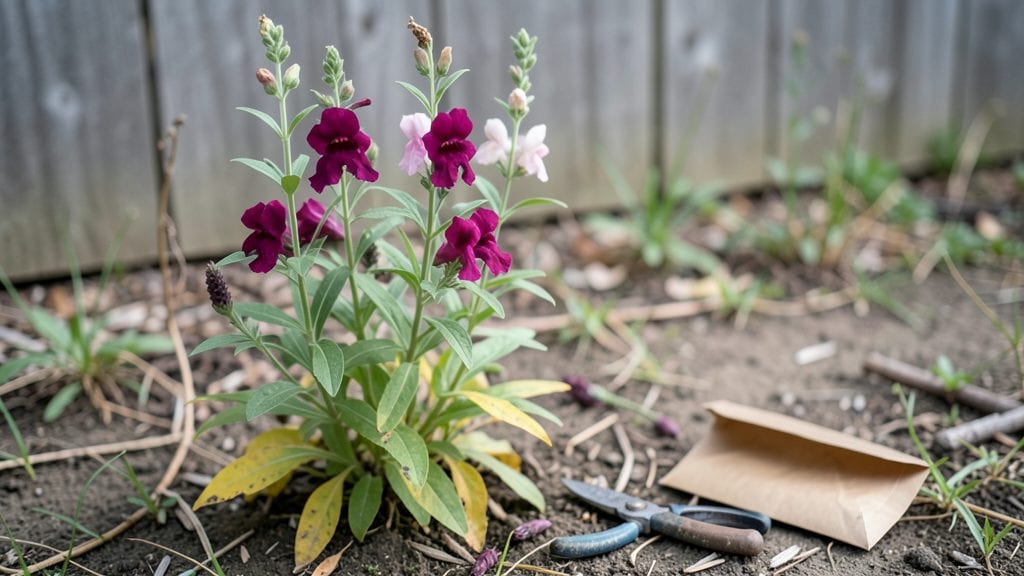
Harvesting snapdragon seeds at the right time ensures strong germination for next year’s vibrant blooms 🌸 — but timing is everything.
Snapdragons add vibrant color to your garden, but their real magic lies in the seeds. If you’ve ever watched those delicate seed pods dry on the stem only to scatter unpredictably, you know how quickly they vanish.
The key to saving them for replanting is knowing exactly when to collect them—before they self-seed into unwanted volunteers or lose viability.
Most gardeners miss the window because they focus on the flowers, not the pods. Yet the difference between dry, brown pods and green, firm ones is what separates a successful seed harvest from wasted effort.
Below, I’ll walk you through the exact cues to watch for, how to handle them once they’re ready, and the simple storage tricks that keep seeds viable for years.
By the end, you’ll have a foolproof method to turn this year’s snapdragons into next year’s garden staples—no guesswork, just reliable results.

When to harvest snapdragon seeds: identifying the perfect ripeness stage
Harvesting snapdragon seeds at the right moment is key to ensuring high germination rates for next year’s garden. The ideal harvest window typically falls between late summer and early fall, around 90–120 days after planting.
If you miss this window, seeds may scatter unpredictably, reducing your control over where they grow.
Don’t confuse dry seed pods with fully ripe ones—many gardeners pick them too early, thinking "dry" means ready. The perfect ripeness stage isn’t just about dryness; the pods should also turn a deep brown color and feel crispy to the touch.
This ensures the seeds inside are mature and viable.
Timing matters because harvesting too early results in underdeveloped seeds that won’t sprout, while waiting too long risks pods splitting open and seeds scattering. Late summer is your best bet in most USDA Zones 6–9, but watch for frost warnings—harvest before temperatures drop below 40°F.
Here’s how to spot ripe snapdragon seed pods with confidence:
- Color change: Pods shift from green to deep brown
- Texture: They feel dry and crispy, not moist or leathery
- Sound test: Shake gently—seeds should rattle inside
- Ease of opening: Pods split open with light finger pressure
If you harvest too soon, seeds stay dormant or shriveled, while waiting too long risks seed loss to birds or weather. The 2–3 week window after flowers fade is your best chance for success.
🌱
| Stage | Pod Color | Texture | Sound | Action |
|---|---|---|---|---|
| Not Ready | Green | Firm & Moist | No Rattle | Wait 1–2 weeks |
| Perfect Ripeness | Deep Brown | Crispy & Dry | Seeds Rattle | Harvest Immediately |
| Overripe | Light Brown | Powdery | Empty Pods | Seeds Scattered |
Harvesting at the perfect ripeness stage ensures seeds stay viable for 2–3 years if stored properly. Late summer is ideal in most climates, but adjust for your local frost dates.
For example, in Zone 7, aim for mid-August to early September, while Zone 9 gardeners can wait until October.
To test ripeness, gently squeeze a pod—if it opens easily and seeds spill out, you’ve timed it right. If pods resist opening, they need more time. Overripe pods often split open on their own, releasing seeds before you can collect them.
Once harvested, remove seeds from pods and let them dry for 1–2 weeks in a cool, dark place before storing. This prevents mold growth and ensures maximum germination when you plant them next spring.
🌿
Pro tip: Label your seed packets with the harvest year and variety name (e.g., ‘Black Knight’). This helps you track which snapdragon colors perform best in your garden. Over time, you’ll refine your harvest timing based on your local climate and plant maturity.
🪴
Step-by-step method for collecting and storing snapdragon seeds
Once your snapdragon seed pods turn brown and crispy, it’s time to harvest them before they release seeds naturally. Gentle handling is key—rough treatment can damage the delicate seeds inside. Start by selecting fully mature pods that easily open when touched, ensuring the highest germination rates for next season.
Harvesting at the right moment prevents premature sprouting or mold growth during storage. Use clean scissors or fingers to avoid contaminating the seeds. Work on a dry, sunny day to speed up the drying process naturally.
Store the pods in a cool, dry place until you’re ready to extract the seeds.
How to Harvest Snapdragon Seeds
- Step 1: Pick mature pods—they should be brown and dry to the touch. Avoid green or moist pods, as seeds won’t be viable.
- Step 2: Gently twist or cut pods from the stem using clean scissors or your fingers. Place them in a paper bag (not plastic) to prevent moisture buildup.
- Step 3: Dry pods indoors for 1-2 weeks in a warm, dry spot (like a sunny windowsill). Stir occasionally to ensure even drying.
- Step 4: Open dried pods over a white paper or envelope to catch seeds. Use a small brush or finger to release seeds gently.
- Step 5: Store seeds in a paper envelope or airtight container with a silica gel packet to absorb moisture. Label with the harvest date for tracking.
- Step 6: Keep seeds in a cool, dark place (like a seed fridge or pantry) for up to 2-3 years. Test germination annually by planting a few seeds.
If you notice mold or dampness during storage, transfer seeds to a new container immediately and add uncooked rice to absorb excess moisture. Premature sprouting can happen if pods aren’t fully dry—always double-check before storing. For long-term viability, store seeds in the fridge (35-40°F) rather than room temperature.
Pro tip: Label your seeds with the variety name and harvest year to avoid confusion. For example, write “Black Knight, 2024” on the envelope. This ensures you’ll know exactly what you’re planting next spring. Organize by color or height if you grow multiple varieties!
With these steps, you’ll have high-quality snapdragon seeds ready for next season’s garden. Happy harvesting—your future blooms will thank you! 🌸