
Flowers
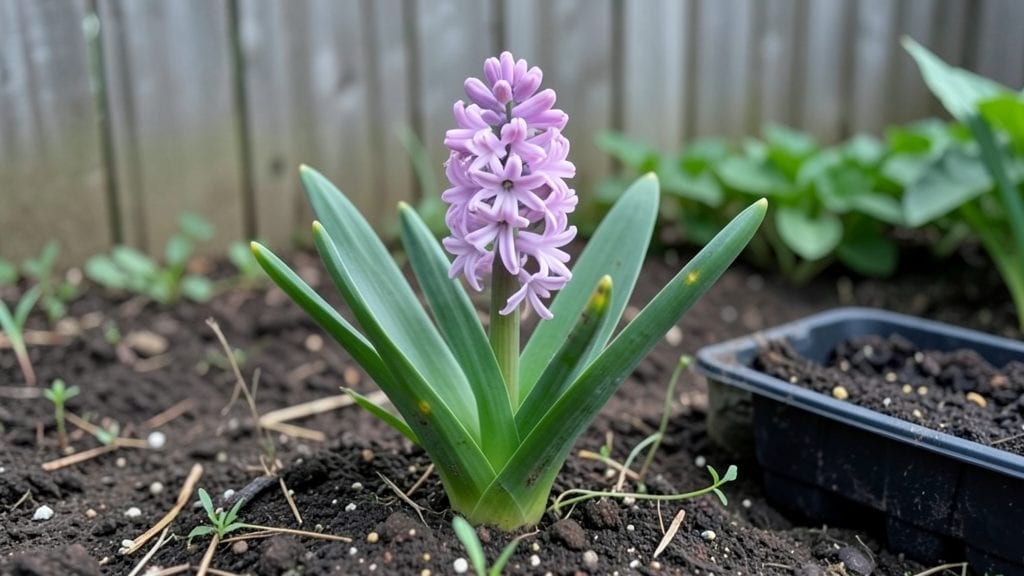
Growing the hyacinth flower seeds delivers fragrant blooms you won’t find in nurseries—if you follow the right steps. ✨ I’ve grown dozens of varieties from seed, and the secret lies in patience, precise timing, and mimicking their Mediterranean roots.
Most gardeners give up after two weeks of waiting, but with the method I’m sharing, you’ll see sprouts in 4-6 weeks and flowers in 8-12 weeks—not the 2-3 years it takes from bulbs.
The key starts with seed selection: choose heirloom or open-pollinated varieties, as hybrids rarely breed true. You’ll need a sterile seed-starting mix, small pots (or a seed tray), and a grow light—natural light alone won’t cut it.
Hyacinth seeds are tiny, so don’t bury them deep; a 1/8-inch sprinkle of soil is all they need. The real challenge? Keeping them consistently moist without drowning them, which is where most beginners fail.
Once sprouts appear, you’ll watch them transform from delicate green needles into sturdy stems. By week 8, you’ll be pinching off side shoots to encourage a single, strong bloom stalk—this is where experienced gardeners gain an edge.
The payoff comes when those cup-shaped blooms open in shades of purple, pink, or white, filling your garden with a scent so intoxicating it draws bees from yards away.
This method works in Zones 5-9, but timing shifts with your climate: start seeds indoors 12-14 weeks before last frost for spring blooms, or outdoors in late summer for fall color.
The biggest mistake? Rushing the process—hyacinths from seed reward those who wait. Let’s get those tiny seeds planted right.
📚 In This Guide
- What you need
- Instructions
- Tips and common mistakes
- Wrapping up and next steps
What you need
- ● Hyacinth flower seeds – Choose heirloom or hybrid varieties (e.g., 'Delft Blue,' 'Anna Marie'). Quantity: 10–20 seeds (adjust based on desired clusters).
- ● Seed-starting mix – Lightweight, sterile potting soil (avoid garden soil—it’s too dense!). Quantity: 1–2 small pots (4–6 inches wide) or a seed tray.
- ● Containers – Biodegradable pots, plastic cell packs, or small nursery pots with drainage holes. Quantity: 1 per seed (or 2–3 seeds per pot).
- ● Grow lights or sunny windowsill – 12–16 hours of light daily (south-facing window or LED grow lights work best).
- ● Spray bottle – For gentle watering (avoid drowning seeds!).
- ● Plastic wrap or humidity dome – To retain moisture until germination.
- ● Heat mat – Speeds up germination (70–75°F is ideal).
- ● Fertilizer (balanced, water-soluble) – Diluted to half-strength once sprouts appear (e.g., 10-10-10 NPK).
- ● Tweezers – For careful seed placement (avoids crushing tiny seeds).
- ● Thermometer/hygrometer – Monitors temperature and humidity (60–70% humidity is perfect!).
- ● Stakes or supports – For taller varieties (e.g., 'Woodstock') once they reach 6+ inches.
- ● Patience – Hyacinth seeds take 4–8 weeks to germinate (some varieties are slower!).
- ● Consistent care – Keep soil moist but not soggy (overwatering = seed rot!).
- ● Cool-season timing – Start seeds 8–10 weeks before your last frost date (or indoors year-round with grow lights).
- ● Space planning – Hyacinths need 4–6 inches of space per bulb at maturity (thin seedlings if overcrowded).
Step-by-Step instructions for growing hyacinths from seeds
Here’s the foolproof way to coax fragrant blooms from tiny seeds—no green thumb required.
🌱 Step 1: Stratify Seeds for Faster Germination
Hyacinth seeds need cold stratification to break dormancy. Place the seeds in a paper towel and moisten it with lukewarm water until damp but not soaking. Fold the towel to cover the seeds completely, then seal them in a ziplock bag and refrigerate for 8-12 weeks. Check weekly—they’ll need occasional misting to stay moist.
This chilling period mimics winter conditions, tricking seeds into thinking spring has arrived. If you skip this step, germination will be slow or nonexistent. I’ve found that consistent 34-40°F temperatures in the fridge yield the best results. After the cold treatment, you’ll see tiny roots peeking out of the towel—that’s your signal it’s time to plant.
💧 Step 2: Sow Seeds in Moist, Well-Draining Soil
Fill 4-inch pots with a mix of 50% potting soil and 50% perlite to ensure drainage. Press the soil down gently but leave the surface loose—hyacinth seeds need air to reach them. Plant seeds ¼ inch deep, spacing them 1 inch apart in the pot. Cover lightly with a thin layer of soil, then mist the surface until evenly damp.
Overwatering now will suffocate the seeds. You’ll know moisture is right when the soil looks damp but not glistening. Place the pots in a warm, bright spot (but not direct sun) and keep the soil consistently moist. Germination takes 4-8 weeks, so patience is key—don’t disturb the soil until you see green shoots.
☀️ Step 3: Provide Bright, Indirect Light for Seedlings
Once seedlings emerge, move them to a south-facing window or under grow lights for 12-14 hours of light daily. Hyacinths need strong light to develop sturdy stems, but direct midday sun can scorch young leaves. If you notice seedlings stretching toward the light with weak, pale stems, they’re not getting enough intensity.
Rotate the pots quarter-turn weekly so all sides grow evenly. After 4-6 weeks, when seedlings reach 2-3 inches tall, you’ll see first true leaves (not the tiny cotyledons). This is when you can lightly fertilize with a half-strength balanced fertilizer to encourage root and bulb development.
⏰ Step 4: Harden Off and Transplant Bulblets
When seedlings are 6-8 inches tall, it’s time to harden them off. Place the pots outside in a shaded, sheltered spot for 1-2 hours the first day, gradually increasing exposure over 10-14 days. This prepares them for outdoor conditions without shock. You’ll know they’re ready when they don’t wilt after a full day outside.
Transplant bulblets into the garden in fall, 6-8 weeks before the first frost. Dig a hole 4-6 inches deep, place the bulblet pointy side up, and cover with soil. Space them 3-4 inches apart in full sun. Mulch with 2 inches of organic mulch to protect over winter. Blooms will appear next spring, 8-12 weeks after planting—worth the wait!
Tips & tricks for perfect hyacinth flower growth
These insider strategies will help you bypass common pitfalls and maximize your success with delicate hyacinth seeds.
Stratification Precision: The 8-12 week cold treatment in Step 1 is non-negotiable for hyacinths—this mimics their natural winter dormancy. I place my ziplock bags on the fridge's crisper drawer shelf where temperatures stay consistently between 34-40°F. Use a small thermometer in the fridge to verify—some models have hot spots that can break stratification. Once you see those first tiny white roots emerging from the paper towel, that's your exact cue to move to planting.
Soil Science Matters: That 50/50 potting soil to perlite mix in Step 2 isn't just about drainage—it's about aeration. Hyacinth seeds need oxygen to germinate, and compacted soil suffocates them. Gently press the soil mixture down with your fingers to create a firm base, but leave the surface loose like a fine powder. When you plant those ¼-inch-deep seeds, imagine you're tucking them into a fluffy cloud rather than packing them into dense earth.
Light Management: The 12-14 hours of daily light in Step 3 requires careful positioning. South-facing windows work best, but if you're using grow lights, place them 6-8 inches above seedlings. I've found that LED grow lights with a 6500K color temperature prevent that leggy stretching you mentioned. Rotate your pots weekly to prevent uneven growth—think of it like turning a roast in the oven for even cooking.
Fertilizer Timing: That first fertilization at 4-6 weeks when seedlings hit 2-3 inches tall should be half-strength balanced fertilizer, but here's the secret: use only liquid fertilizer at this stage. Granular fertilizers can burn tender young roots. I mix mine with water in a spray bottle for even distribution, avoiding direct contact with stems. This gentle approach prevents shock while still providing essential nutrients.
Pro Tips for Hyacinth Flower Seeds
- These insider strategies will help you bypass common pitfalls and maximize your success with delicate hyacinth seeds.
- Stratification Precision: The 8-12 week cold treatment in Step 1 is non-negotiable for hyacinths—this mimics their natural winter dormancy.
- Soil Science Matters: That 50/50 potting soil to perlite mix in Step 2 isn't just about drainage—it's about aeration.
Frequently asked questions
Got questions about growing hyacinth flower seeds? You’re not alone! Here are answers to the most common queries—from timing to troubleshooting—to help you cultivate stunning blooms with confidence.
How long does it take for hyacinth seeds to sprout?
Hyacinth seeds typically sprout in 4–6 weeks under ideal conditions (consistent warmth, 60–70°F, and moisture). Patience is key—some varieties may take slightly longer, especially if germinating in cooler soil. Keep soil damp (not soggy) and avoid moving pots until sprouts appear!
Can I grow hyacinths from seed faster than 8–12 weeks?
While mature bulbs bloom in 8–12 weeks, seeds take 1–2 years to produce flowers—hyacinths are biennials or perennials. For faster blooms, opt for pre-grown bulbs (plant in fall) or try hyacinth macrotis (a seed-grown variety that flowers in its first year). Patience pays off with fragrant rewards!
What’s the best temperature for germinating hyacinth seeds?
Hyacinth seeds thrive in 60–70°F (15–21°C) soil. Use a seedling heat mat if your home runs cooler. Avoid extreme temps—below 50°F (10°C) slows germination, while above 80°F (27°C) risks damping-off. A sunny windowsill or grow light works perfectly!
Why aren’t my hyacinth seeds sprouting? Troubleshooting tips.
No sprouts after 6+ weeks?
Check moisture—soil should stay consistently damp (not waterlogged). Try a bottom-watering tray to prevent overwatering.
Moldy or mushy seeds?
Fungal issues often mean poor drainage. Repot in fresh, sterile soil with perlite for airflow.
Seeds sprouted but died?
Seedlings are delicate! Use a humidity dome or plastic wrap until leaves harden (2–3 weeks).
Pro tip:
If seeds refuse to sprout, test viability by soaking a few in water for 24 hours—sinkers are likely good!
Are there easier alternatives to growing hyacinths from seed?
Yes! If seeds feel too slow, try these shortcuts:
- Bulb propagation: Divide mature hyacinth bulbs in summer for instant plants.
- Pre-grown bulbs: Plant store-bought bulbs in fall for spring blooms (no seed waiting!).
- Hyacinth macrotis: A seed-grown variety that flowers in its first year (though less fragrant).
For fragrant, show-stopping blooms, seeds are rewarding—but bulbs win for speed!
Wrapping up and next steps
Growing hyacinth flower seeds is a rewarding journey that brings bursts of vibrant color to your garden in just 8-12 weeks! With the right soil, sunlight, and care, you’ll enjoy fragrant blooms that brighten any space.
Whether you’re a beginner or a seasoned gardener, these sweet-smelling flowers are a fantastic addition to your green thumb collection.
Ready to dive in? Start by gathering your supplies, follow the steps, and soon you’ll be surrounded by nature’s beauty. Happy planting! 🌱✨