
Trees
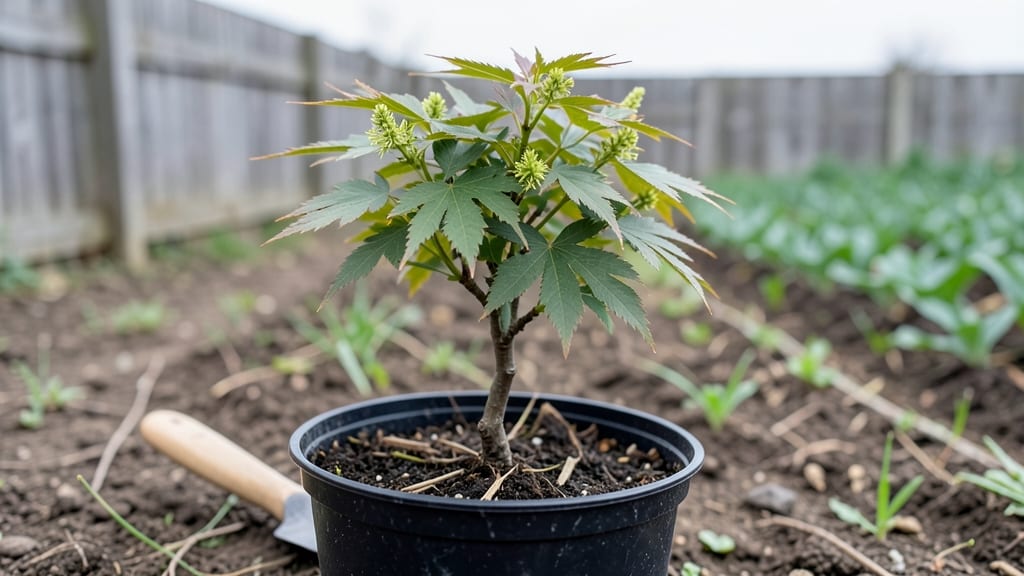
Caring for a Japanese maple seedling starts with understanding its delicate nature—these trees demand patience but reward you with stunning foliage that rivals any nursery specimen. I’ve nurtured mine through scorching summers and icy winters, and the key is mimicking their natural forest-floor conditions right from day one.
The soil must stay moist like a damp woodland floor, never soggy or bone-dry, while their shallow roots beg for 1-2 inches of mulch to shield them from temperature swings.
Sunlight is where most beginners stumble—Japanese maples crave morning sun and afternoon shade, especially in hot climates. My seedling’s leaves once curled like parchment after a full afternoon bake, but moving it to dappled light turned those crisp edges into velvety, jewel-toned fronds within weeks.
Pruning isn’t about drastic cuts; it’s about shaping gently in late winter to encourage that iconic, graceful form while removing only the weakest growth.
Winter protection is non-negotiable in colder zones—wrap the root ball in burlap and blanket the base with 4-6 inches of straw to insulate those shallow roots. I’ve seen seedlings survive -10°F with this method, though younger trees still need a little extra coddling.
The payoff? A tree that matures with seasonal color shifts from lime-green to fiery red, all while staying compact enough for even small yards.
This isn’t a high-maintenance plant—it’s a low-effort, high-reward project once you get the basics right. The real magic happens in the details: checking soil moisture weekly, avoiding fertilizer burns, and resisting the urge to over-prune.
With these adjustments, your seedling will grow into a showstopper that outshines store-bought trees in just a few years.
📚 In This Guide
- What you need
- Instructions
- Tips and common mistakes
- Wrapping up and next steps
What you need
- ● Japanese maple seedling: Choose a healthy 1-2 year old sapling (3–6 inches tall) with vibrant leaves and no signs of pests or disease.
- ● Well-draining potting mix: A blend of 50% peat moss or coconut coir, 30% perlite or pumice, and 20% compost (avoid heavy garden soil). Quantity: 2–3 gallons, depending on pot size.
- ● Container or nursery pot: Use a 5–7 gallon pot with drainage holes (plastic or terracotta). For outdoor planting, a 12–18 inch deep hole is ideal.
- ● Organic mulch: Shredded bark or pine needles (2–3 inches thick) to retain moisture and regulate soil temperature.
- ● Balanced fertilizer: A 10-10-10 or 20-20-20 NPK fertilizer (diluted to half-strength for seedlings). Quantity: Enough for 2–3 applications per growing season.
- ● Watering can or hose with gentle spray nozzle: For deep but gentle watering (avoid overhead spraying to prevent fungal issues).
- ● Pruning shears: Small, sharp shears (sterilized with rubbing alcohol) for trimming dead or overcrowded branches.
- ○ Support stake (optional but helpful): A 4–6 foot bamboo or metal stake to stabilize young seedlings in windy areas.
- ● Soil pH test kit: Japanese maples prefer slightly acidic soil (pH 5.0–6.5). Adjust with sulfur or lime if needed.
- ● Slow-release fertilizer pellets: Place 1–2 pellets in the planting hole for a nutrient boost over time.
- ● Shade cloth (30–50%): Protect seedlings from harsh afternoon sun during their first year.
- ● Garden gloves: To keep hands clean while handling soil or mulch.
- ● Label markers: Waterproof tags to track planting dates and care notes.
- ● Fungicide (copper-based): For preventive care against powdery mildew or leaf spot.
Step-by-Step instructions for Japanese maple seedling care
Here’s how to nurture delicate seedlings into sturdy, vibrant trees with minimal fuss.
Acclimate Seedlings to Their New Environment
Japanese maple seedlings are sensitive to sudden changes, so begin by placing them in a shaded, sheltered spot for one full week before introducing them to their permanent location. Choose a site with dappled sunlight—these trees thrive under the filtered light of taller trees or on the edge of a forest garden. Avoid full sun, which can scorch tender leaves, especially in their first growing season.
Gently water the soil around the seedlings once daily during this period, keeping it consistently moist but never soggy. The goal is to encourage root establishment without overwhelming the young plants. You’ll know they’re adjusting well when new growth appears within 10-14 days, signaling that they’ve begun to adapt to their surroundings.
Provide Consistent Moisture and Protection
Japanese maples have shallow root systems, so maintaining even moisture is critical. Water deeply twice weekly during the first month, ensuring the soil remains 2-3 inches deep moist. Use a 5-gallon watering can or hose with a gentle spray nozzle to avoid disturbing the soil. Mulch the base with 2-3 inches of organic mulch, like shredded bark or pine needles, to retain moisture and protect roots from temperature fluctuations.
Watch for signs of stress, such as wilting leaves or crispy edges, which indicate either overwatering or drought. If leaves yellow, reduce watering slightly—these seedlings prefer slightly drier conditions over soggy soil. In colder months, add an extra layer of mulch to insulate roots from freezing temperatures.
Prune and Train for Structural Strength
Pruning young Japanese maples isn’t just about shaping—it’s about encouraging a strong, balanced structure. In early spring, remove any dead, crossing, or weak branches using clean, sharp pruners. Cut just above a bud or lateral branch to promote healthy regrowth. Avoid heavy pruning in the first year; focus instead on light shaping to guide natural growth patterns.
If your seedlings develop leggy growth (long, thin stems with sparse leaves), they’re reaching for light. This often happens in low-light conditions. Stake taller seedlings if needed, tying them loosely to a 4-6 foot bamboo stake to prevent wind damage. You’ll see stronger, more compact growth within 4-6 weeks of proper pruning and support.
Monitor for Pests and Seasonal Adjustments
Japanese maples are relatively pest-resistant, but watch for aphids, spider mites, or scale insects, which can appear on new growth. Treat infestations early with neem oil or insecticidal soap, applied in the early morning or evening to avoid harming beneficial insects. Avoid chemical pesticides, as they can damage the tree’s delicate foliage.
Adjust care based on the season: in summer, increase watering if temperatures exceed 85°F, and provide afternoon shade if leaves show signs of heat stress. In fall, reduce watering as growth slows, and apply a balanced fertilizer (10-10-10) in early spring to support new foliage. By winter, ensure seedlings are mulched deeply and protected from harsh winds.
Plan for Long-Term Growth and Transplanting
Japanese maple seedlings grow slowly but steadily—expect 6-12 inches of growth per year in ideal conditions. If your seedlings outgrow their initial planting spot, transplant them in early spring or fall, choosing a day with cool temperatures and cloud cover to minimize stress. Dig a hole twice as wide as the root ball and amend the soil with compost to improve drainage.
After transplanting, water deeply and stake if necessary, especially in windy areas. Over the next 2-3 weeks, monitor for new leaf growth, which indicates successful establishment. With patience and consistent care, your seedlings will mature into stunning, long-lived trees with minimal effort.
Tips & tricks for perfect Japanese maple seedling care
Japanese maple seedlings demand patience and precision, but these insights will help you cultivate thriving trees with minimal stress. The key lies in understanding their delicate nature and adapting your approach to seasonal changes.
Acclimation Strategy: During the initial one-week acclimation period in Step 1, I recommend setting up a temporary shade cloth if your garden lacks natural dappled sunlight. These seedlings can't handle direct sunlight during their sensitive adjustment phase. Also, avoid transplanting on windy days—their shallow roots need stability to establish properly. The once-daily watering should be done in the morning to prevent evening moisture that could encourage fungal issues.
Moisture Management: The twice-weekly watering in Step 2 requires precision—aim for 1-1.5 gallons per seedling each time, delivered slowly to the base rather than overhead. Use your finger to check soil moisture at 2-3 inches depth; it should feel like a damp sponge, not a wrung-out washcloth. For container-grown seedlings, water until it runs freely from drainage holes. In summer heat exceeding 85°F, increase to three times weekly while monitoring for leaf scorch, which appears as crispy brown edges.
Pruning Precision: When pruning in Step 3, focus on creating an open center by removing branches that cross or grow inward. This improves airflow and reduces disease risk. For leggy growth, I've found that installing stakes immediately after the 10-14 day growth period prevents permanent stretching. The 4-6 week growth improvement window is your best chance to establish proper structure before the tree becomes too large to handle easily.
Seasonal Adaptations: The spring fertilizer application mentioned in Step 4 should be done when you see new leaf buds forming, typically in late winter. For fall care, reduce watering when leaves begin changing color—this signals the tree is entering dormancy. In winter, I've had success using burlap wraps around the trunk to protect against sunscald, which can occur when winter sun hits dark bark after cold nights. The 6-12 inch annual growth expectation assumes proper care; slower growth often indicates either insufficient light or poor soil conditions.
Pro Tips for Japanese Maple Seedling Care
- Japanese maple seedlings demand patience and precision, but these insights will help you cultivate thriving trees with minimal stress.
- Acclimation Strategy: During the initial one-week acclimation period in Step 1, I recommend setting up a temporary shade cloth if your garden lacks natural dappled sunlight.
- Moisture Management: The twice-weekly watering in Step 2 requires precision—aim for 1-1.5 gallons per seedling each time, delivered slowly to the base rather than overhead.
Frequently asked questions
Got questions?
Japanese maple seedlings are delicate but rewarding—here’s what you need to know to keep them happy year-round!
How long does it take for a Japanese maple seedling to establish roots?
A Japanese maple seedling typically takes 1–2 years to fully establish its root system, though it may show early signs (like new leaves or stronger stems) within 6–12 months. Patience is key—avoid transplanting too soon, as shallow roots are vulnerable to shock. Mulch lightly to protect roots while they develop!
Can I leave my Japanese maple seedling outside in winter?
Yes, but with precautions! Japanese maples are hardy (USDA zones 5–9), but seedlings need extra care. Wrap the pot in burlap or move it to a sheltered spot if temps drop below 10°F. Avoid heavy mulch—it can suffocate roots. A thin layer of straw or pine needles works best for insulation.
Why are my seedling’s leaves turning yellow or curling?
Yellowing or curling leaves usually signal overwatering, underwatering, or stress. Check soil moisture—it should stay evenly damp but not soggy. Adjust watering (every 2–3 days in summer, less in winter) and ensure 6+ hours of sunlight daily. If pests (like spider mites) are present, spray with neem oil.
Should I prune my Japanese maple seedling, and when?
Prune only in late winter or early spring (before new growth) to shape the tree and remove dead branches. Use sterilized shears to make clean cuts at a 45° angle. Avoid heavy pruning—Japanese maples are sensitive. Focus on thinning out crowded branches to improve airflow and sunlight penetration.
Are there low-maintenance alternatives to Japanese maples?
If you want easy-care trees with similar beauty, consider:
- Dwarf Ginkgo – Tolerates drought and urban conditions.
- Crape Myrtle – Thrives in heat and requires minimal pruning.
- Serviceberry – Disease-resistant with stunning fall color.
Wrapping up and next steps
Caring for a Japanese maple seedling is a rewarding journey that blends patience with simple, nature-friendly steps. With the right balance of sunlight, water, and occasional pruning, your tree will flourish year-round—adding beauty and tranquility to your space. You’ve got this! 🌿✨
Now that you’re armed with the essentials, why not take the next step? Share your progress with fellow plant enthusiasts, or explore advanced techniques like grafting or seasonal care tweaks to keep your maple thriving for decades. Happy growing!