Propagation
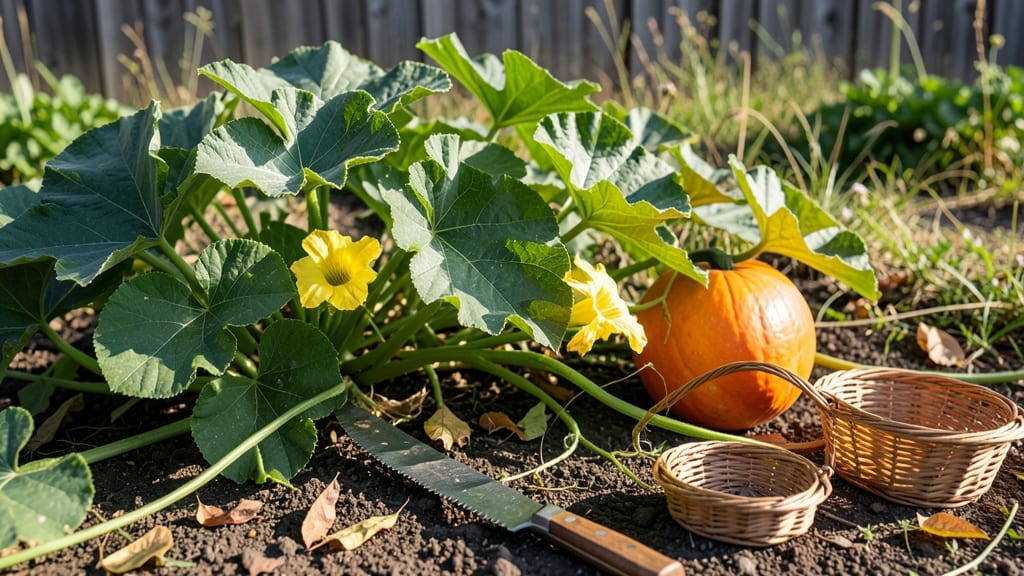
Growing kabocha pumpkin seeds transforms a small patch of garden into a jungle of lush vines and sweet, nutty fruit by summer. 🌱 I’ve grown these Japanese pumpkins for years, and the secret isn’t complicated—just patience, the right soil, and a sunny spot.
The first step is soaking seeds overnight to break dormancy, which cuts germination time in half and gives you a head start on those sprawling vines.
You’ll need well-draining soil mixed with compost, a spot with at least 6 hours of sunlight daily, and space to spread—these plants can stretch 10-15 feet if given room. Plant seeds 1 inch deep, 3-4 feet apart, and keep the soil consistently moist but never soggy.
The key is consistency: too much water early on leads to rot, while dry spells stress young plants before they take hold.
By mid-summer, you’ll watch those vines explode with 5-7 inch leaves and tiny yellow flowers that turn into 3-5 pound pumpkins by fall. The real magic happens when you slice one open—thick, sweet flesh that’s perfect for roasting or soups.
Even beginners can nail this with the right prep, and the harvest makes it worth every bit of space.
Works in zones 3-10, though frost-sensitive plants need a 100-day growing season. Here’s how to troubleshoot common issues like slow starts or blossom-end rot—so you end up with a bounty, not a battle. Let’s get those seeds in the ground!
📚 In This Guide
- What you need
- Instructions
- Tips and common mistakes
- Wrapping up and next steps
What you need
- ● Kabocha pumpkin seeds: 5–10 fresh, organic seeds (preferably from a mature kabocha pumpkin—save the best ones for planting!)
- ● Biodegradable seed-starting pots or peat pellets: 1–2 per seed (3–4 inches deep) or a seed tray with drainage holes
- ● High-quality potting mix: 1 bag (sterilized, seed-starting blend with perlite or coconut coir for aeration)
- ● Grow lights or sunny windowsill: 6+ hours of sunlight daily (or a full-spectrum LED grow light for 12–16 hours/day)
- ● Spray bottle with water: For gentle hydration (avoid overwatering—seeds hate soggy soil!)
- ● Small hand trowel or spoon: For transplanting seedlings
- ○ Fertilizer (optional but helpful): Balanced liquid fertilizer (5-5-5 or 10-10-10 NPK ratio) or
- ● Compost tea or worm castings (for organic growth)
- ● Garden bed or large containers: Minimum 2–3 feet wide and deep (kabocha vines spread like crazy!)
- ● Well-draining soil: Amend with compost (1 part compost to 3 parts soil) for nutrient-rich growth
- ○ Trellis or sturdy stakes (optional): If growing space is limited, a 6-foot trellis saves space and supports heavy vines
- ● Mulch (straw or shredded leaves): 2–3 inches to retain moisture and suppress weeds
- ● Weather check: Wait until soil is at least 70°F (21°C)—kabocha seeds hate cold!
- ● 🌡️ Soil warmth: Place pots on a heating mat (70–80°F) to speed up germination—seeds sprout faster in cozy conditions!
- ○ ✨ Seed test: Soak seeds in warm water for 4–6 hours before planting to kickstart germination (optional but fun to watch!)
- ● 🔄 Transplant carefully: Harden off seedlings (acclimate to outdoor temps) for 1 week before moving them outside
Step-by-Step instructions for growing kabocha pumpkin seeds
Here’s my foolproof method for growing kabocha pumpkin seeds—no fancy tools, just patience and the right timing.
🌱 Step 1: Soak Seeds to Jumpstart Germination
Kabocha pumpkin seeds have a tough outer shell, so I soak them overnight in lukewarm water to soften it. Place them in a small bowl, cover with water, and let them sit for 12 hours. You’ll know they’re ready when the water turns slightly cloudy and the seeds feel plump to the touch.
After soaking, drain the water and wrap the seeds in a damp paper towel. Fold the towel loosely and place it in a sealed plastic bag. Store it in a warm, dark spot (75-80°F)—like on top of your fridge. Check daily for sprouts, which should appear in 2-3 days. Once you see tiny white roots or green sprouts, it’s time to plant.
🪴 Step 2: Prepare Containers and Plant Soaked Seeds
Fill 4-inch deep containers with a well-draining mix of 50% potting soil and 50% compost. Press the soil down gently to create a firm base, but don’t compact it too tightly—roots need room to spread. Plant each soaked seed 1 inch deep, spacing them 2 inches apart in their containers.
Water lightly after planting, just enough to moisten the soil without soaking it. Place the containers in a sunny spot where they’ll get 6-8 hours of sunlight daily. If you’re starting indoors, use a grow light to supplement natural light. Keep the soil consistently moist but not soggy—stick your finger in the soil up to your first knuckle. If it feels dry, water again.
☀️ Step 3: Transplant Seedlings to the Garden
Wait until all risk of frost has passed and soil temperatures reach at least 70°F before moving seedlings outdoors. Choose a location with full sun exposure and well-draining soil. Kabocha pumpkins need space—plant each seedling 3-4 feet apart in rows spaced 6 feet apart.
Dig a hole slightly deeper than the seedling’s root ball and place the plant in, firming soil around the base. Water deeply after transplanting to help roots establish. Mulch around the base with 2-3 inches of straw or shredded leaves to retain moisture and suppress weeds. You’ll see new growth within 5-7 days if conditions are right.
💧 Step 4: Maintain Vines and Encourage Fruit Set
Kabocha pumpkins thrive with consistent moisture, so water deeply 2-3 times per week, aiming for 1-2 inches of water per week. Let the top inch of soil dry out slightly between waterings to prevent disease. Use a soaker hose or drip irrigation to keep foliage dry—wet leaves can lead to fungal issues.
Fertilize lightly every 3-4 weeks with a balanced organic fertilizer (like 10-10-10) to support vine growth. Watch for male and female flowers—female flowers have a tiny pumpkin at their base. Hand-pollinate by transferring pollen from male to female flowers with a small brush if bees aren’t active. Fruit will form in 4-6 weeks after flowering.
Tips & tricks for perfect kabocha pumpkin seed germination
A few simple adjustments can make all the difference when growing kabocha pumpkin seeds from scratch.
Timing Secret: The 12-hour soak in Step 1 is non-negotiable—kabocha seeds have particularly tough shells that need this full hydration to soften properly. I've learned the hard way that cutting this time short results in uneven germination. After soaking, the water should look cloudy and the seeds should feel noticeably plump. If they still feel hard, extend the soak by another hour.
Environmental Control: Maintaining that 75-80°F temperature during germination is crucial. I place my sealed bag of seeds on top of my fridge where it stays consistently warm. If your kitchen runs cooler, consider using a seedling heat mat set to 75°F. The goal is to mimic the warm, dark conditions these seeds would experience in nature during spring planting season.
Container Preparation: When preparing your 4-inch deep containers in Step 2, focus on creating a loose, airy soil mix. I like to sift the 50% potting soil and 50% compost combination before planting to eliminate large clumps. This prevents soil compaction and allows roots to spread more easily. Press the soil down just enough to create a stable base—you should be able to push your finger in about 1 inch without resistance.
Transplanting Timing: Waiting until soil temperatures reach at least 70°F before transplanting in Step 3 is essential for kabocha pumpkins. I test soil temperature with a simple thermometer—anything below 70°F can cause stunted growth. If you're in a cooler climate, consider using black plastic mulch a few days before transplanting to warm the soil naturally. The 5-7 day growth window mentioned is actually quite flexible—watch for new leaves rather than relying strictly on the calendar.
Pro Tips for Kabocha Pumpkin Seeds
- A few simple adjustments can make all the difference when growing kabocha pumpkin seeds from scratch.
- Timing Secret: The 12-hour soak in Step 1 is non-negotiable—kabocha seeds have particularly tough shells that need this full hydration to soften properly.
- Environmental Control: Maintaining that 75-80°F temperature during germination is crucial.
Frequently asked questions
Got questions about growing and harvesting kabocha pumpkin seeds? You’re in the right place! Here are some of the most common queries—plus straightforward answers to help you cultivate these nutritious gems like a pro.
How long does it take for kabocha pumpkin seeds to germinate?
Kabocha pumpkin seeds typically sprout within 7–14 days after planting, depending on soil warmth (ideal: 70–90°F). Keep the soil consistently moist but not soggy—germination speeds up in direct sunlight or a heated seed-starting mat. Patience pays off!
Can I grow kabocha pumpkins from store-bought seeds?
Yes, but with a caveat! Store-bought kabocha (or any squash) seeds may not yield true-to-type fruit if they’re hybridized. For guaranteed results, use heirloom seeds from a reputable seed bank. If you’re experimenting, save seeds from your own healthy pumpkins for next year’s harvest.
Why aren’t my kabocha pumpkin seeds sprouting?
Common culprits include cold soil, overwatering, or old/damaged seeds. Try these fixes:
- Test soil temp—use a seedling heat mat if below 60°F.
- Soak seeds overnight in warm water to soften the shell.
- Check for mold or rot—discard any mushy seeds.
- Plant deeper (1–2 inches) for extra moisture protection.
How do I know when kabocha pumpkin seeds are ready to harvest?
Seeds are ripe when the pumpkin’s skin hardens and its stem dries out. Cut open the pumpkin, scoop out the seeds, and rinse them thoroughly. Spread them on a tray to dry in sunlight for 3–5 days, stirring occasionally. Store in a cool, dark place for up to 6 months—or roast them for snacks!
Are kabocha pumpkin seeds edible, and how do I prepare them?
These seeds are packed with protein, magnesium, and zinc. Roast them at 300°F for 15–20 minutes with a sprinkle of salt or spices (try smoked paprika or cinnamon). For extra crunch, toss in olive oil before baking. Pro tip: Save the seed pulp for compost—it’s nutrient-rich!
Wrapping up and next steps
Growing kabocha pumpkin seeds is a rewarding journey that brings vibrant vines and delicious harvests to your garden! 🌱 With the right soil, sunlight, and care, you’ll enjoy lush plants and tasty pumpkins in no time.
Now that you’re armed with all the tips, why not plant your seeds this season and watch your garden thrive?
Ready to take the next step? Start small—whether it’s a single seedling or a full patch—and let nature do the rest! Happy growing! 🌿