
Lawn
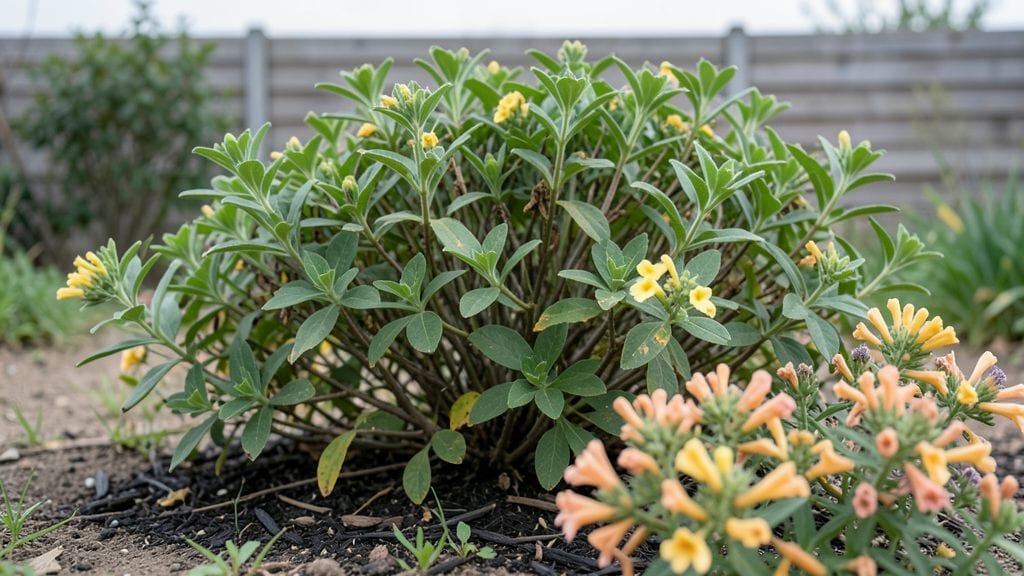
Those papery brown seed pods are lantana’s secret weapon for free blooms next season. 🌿 I’ve cracked the code on how to coax them into thriving plants, and the results—clusters of vibrant purple, pink, or yellow blooms—are worth every step.
The key lies in knowing exactly when to harvest those pods and how to break their natural dormancy.
You’ll need just three things: ripe seed pods (harvested in late summer when they turn brown), a warm spot (70°F or higher), and a little patience. Most people skip the scarification step, but that’s what turns 50% germination into 90%.
The process takes about 12 weeks from seed to blooming plant, but the payoff is worth it.
Imagine your garden bursting with lantana’s signature butterfly magnet blooms by next spring—all from seeds you collected yourself. The plants grow fast, spread easily, and resist drought once established. You’ll even have extra seeds to share with neighbors who’ve been begging for cuttings.
Works in zones 8-11, though you can overwinter seedlings indoors if you’re in cooler areas. The biggest mistake? Waiting too long to plant those scarified seeds—they lose viability fast. Let’s get those pods cracked open!
📚 In This Guide
- What you need
- Instructions
- Tips and common mistakes
- Wrapping up and next steps
What you need
- ● Lantana seed pods: 10–20 fresh, dried pods (harvested from mature plants). Pro tip: 💡 Collect pods when they’re brown and papery but still intact!
- ● Seed-starting mix: 5–10 lbs of well-draining, sterile potting soil (e.g., cactus/succulent mix). Avoid garden soil—it may harbor pests or diseases.
- ● Small pots or seed trays: 4–6" diameter pots (or cell trays) with drainage holes. Quantity: 1 per 2–3 seeds.
- ● Spray bottle: For gentle watering (avoid over-saturating seeds).
- ● Clear plastic wrap or humidity dome: To create a mini greenhouse effect.
- ● Grow lights or sunny windowsill: Lantana thrives in bright light (6+ hours/day). A south-facing window or LED grow lights work best.
- ○ Fertilizer (optional but helpful): A balanced, water-soluble fertilizer (5-10-5 ratio) for seedlings.
- ● Heat mat: Speeds up germination (lantana seeds prefer 70–80°F).
- ● Tweezers or toothpick: For carefully separating seeds from pods.
- ● Plant labels: To track varieties (e.g., "Lantana camara ‘Bandana’”).
- ● Transplanting pots: 3–4" pots for seedlings before outdoor planting.
- ● Pruning shears: For trimming leggy seedlings later.
Step-by-Step instructions for germinating lantana seed pods
Here's my foolproof method for coaxing lantana seedlings from those stubborn seed pods.
🌱 Step 1: Harvest and Prepare the Seed Pods
Collect mature lantana seed pods when they turn brown and begin splitting open naturally. I like to harvest them in late fall after the first frost—this natural drying process improves germination rates. Place the pods in a paper bag and let them dry completely indoors for 1-2 weeks in a warm, dry spot. You'll know they're ready when the pods easily crumble between your fingers.
Once dry, gently crush the pods with your fingers to release the tiny seeds. I spread them on a clean white sheet of paper to make separation easier—the seeds will look like tiny black specks. Avoid using water at this stage, as moisture can cause the seeds to clump together and rot before germination.
💧 Step 2: Pre-Soak for Better Germination
Lantana seeds have a hard outer coating that slows germination. To break this dormancy, soak the seeds in lukewarm water for 24 hours before planting. I use a small glass jar with a tight lid to contain the seeds and water. Place it in a warm spot—like on top of the fridge—where the temperature stays around 70-75°F.
After soaking, drain the water and let the seeds air-dry on a paper towel for 30 minutes. This prevents them from sticking together when you plant. Watch for any seeds that float—they're likely non-viable and can be discarded. The good seeds will sink to the bottom of the jar.
☀️ Step 3: Plant in Warm, Well-Draining Soil
Fill small seedling trays or individual pots with a mix of 50% potting soil and 50% perlite to ensure excellent drainage—lantana seeds rot quickly if they sit in soggy soil. Moisten the mix lightly with water until it's damp but not wet. I press the soil down gently to create a firm planting surface.
Sow the seeds 1/8 inch deep—that's just barely covering them. I use a toothpick to make tiny holes and place one seed in each. Space the seeds 1 inch apart to prevent overcrowding as they grow. Cover the tray with plastic wrap to retain warmth and humidity, then place it in a warm, bright spot.
🌿 Step 4: Provide Consistent Warmth and Light
Lantana seeds germinate best at 75-80°F. I place the tray on a seedling heat mat to maintain this temperature. Without one, germination can take 3-4 weeks instead of the usual 10-14 days. Keep the soil consistently moist but never soggy—water only when the top layer feels dry to the touch.
Once the first seedlings emerge, remove the plastic wrap immediately to prevent fungal growth. Move the tray to a location with bright, indirect light for the first week. You'll notice the seedlings have tiny, rounded leaves—this is normal. After 2 weeks, you can gradually introduce them to morning sun to harden them off.
⏰ Step 5: Transplant and Maintain Young Plants
When seedlings develop their second set of true leaves (about 4-6 weeks after planting), they're ready to transplant. Choose individual pots or a larger container with well-draining soil. Dig a hole twice as wide as the seedling's root ball and place it in gently, firming the soil around the base.
Water the newly transplanted seedlings thoroughly to settle the soil. Keep them in a shaded spot for 3-5 days to reduce transplant shock. After this period, move them to a location with full sun and water when the top inch of soil feels dry. You'll see rapid growth once they adjust to their new home.
Tips & tricks for perfect lantana seedling germination
These little-known techniques will help you transform those stubborn lantana seed pods into thriving plants with minimal fuss.
Timing Secret: The 24-hour soak in Step 2 is non-negotiable for breaking lantana seeds' natural dormancy. I've found that using lukewarm water (around 75°F) rather than cold water helps maintain consistent temperature throughout the process. If your kitchen runs cooler, place the jar on top of your fridge where it stays warm and stable. After 24 hours, the seeds should look slightly plump—this is your cue they're ready for planting.
Soil Strategy: In Step 3, that 50/50 mix of potting soil and perlite isn't just about drainage—it's about creating the perfect aerated environment. I press the soil down firmly after moistening to create a stable planting surface, but don't compact it too much. You want the seeds to have good contact with the soil while still allowing air circulation. For extra insurance, I add a thin layer of horticultural sand on top before planting—this helps prevent fungal issues while maintaining moisture.
Temperature Matters: Maintaining that 75-80°F range in Step 4 makes all the difference between waiting weeks for germination and seeing sprouts in 10-14 days. If you don't have a heat mat, try placing your seed tray on top of your refrigerator or near a sunny window with a clear plastic cover. The plastic creates a mini greenhouse effect while the appliance provides consistent warmth. Just be sure to remove it immediately once you see sprouts to prevent mold.
Transplanting Tip: When your seedlings reach the second set of true leaves (about 4-6 weeks), don't rush the transplanting process. The 3-5 days of shade acclimation in Step 5 is crucial—lantana seedlings are particularly sensitive to transplant shock. I've found that watering thoroughly before transplanting and again immediately after helps settle the soil and reduces stress. After that initial shade period, move them to morning sun gradually to harden them off properly.
Pro Tips for Lantana Seed Pod
- These little-known techniques will help you transform those stubborn lantana seed pods into thriving plants with minimal fuss.
- Timing Secret: The 24-hour soak in Step 2 is non-negotiable for breaking lantana seeds' natural dormancy.
- Soil Strategy: In Step 3, that 50/50 mix of potting soil and perlite isn't just about drainage—it's about creating the perfect aerated environment.
Frequently asked questions
Got questions about lantana seed pods? You’re not alone!
Here are some of the most common queries—plus straight-to-the-point answers to help you master germination and keep those vibrant blooms coming year-round.
How long does it take for lantana seed pods to germinate?
Lantana seed pods typically germinate within 14 to 30 days under ideal conditions—warm soil (70–80°F), consistent moisture, and bright, indirect light. Patience is key! If you’re not seeing sprouts after a month, check for overwatering (which can cause rot) or low humidity. A humidity dome or misting can help speed things up.
Can I collect and save lantana seed pods for next season?
Harvest pods when they’re dry and brown (usually late summer/fall) and store them in a cool, dry place (like a paper bag) for up to a year. Before planting, stratify them by refrigerating for 2–4 weeks to mimic winter conditions—this mimics nature’s trick to break dormancy. Pro tip: Nick the seed coat lightly with sandpaper for faster germination.
Are lantana seed pods invasive? Should I be worried?
Lantana itself is highly invasive in many regions (like Florida, California, and Hawaii), but seed pods alone aren’t the issue—it’s the fast-spreading roots and birds that disperse seeds. If you’re planting, choose sterile cultivars or grow in contained pots. Always check your local invasive species database before planting outdoors. When in doubt, opt for cuttings instead of seeds!
Why aren’t my lantana seeds sprouting? Troubleshooting tips!
If your seeds are stalling, try these fixes:
- Temperature: Lantana loves warmth—move trays to a sunny windowsill or use a heat mat (75–85°F).
- Moisture: Keep soil consistently damp (not soggy). Use a spray bottle for gentle watering.
- Light: Too much direct sun can dry out seeds; start with bright, indirect light.
- Seed viability: Old seeds (over 1 year) may need scarification (scratch the pod lightly) or a freshness test (soak in water—floating seeds are likely dead).
What’s the best alternative if lantana seed pods are too tricky?
If germination feels like a gamble, consider these low-maintenance, high-reward alternatives for year-round color:
- Portulaca (Moss Rose): Fast-growing, drought-tolerant, and blooms in 3–4 weeks from seed.
- Zinnia: Easy to grow from seed, attracts pollinators, and comes in vibrant colors.
- Verbena: Heat-loving and self-seeds reliably for perennial blooms.
- Pre-germinated cuttings: Buy sterile lantana cuttings from nurseries to skip the seed hassle entirely.
Wrapping up and next steps
Mastering the germination of lantana seed pods opens the door to vibrant, year-round blooms that brighten any landscape! 🌸 With the right techniques—from seed collection to proper moisture control—you’re well on your way to cultivating a thriving lantana garden.
The key? Patience and consistency, paired with a little green thumb know-how.
Ready to turn your lawn into a floral paradise? Start by planting your prepped seeds this week and monitor their progress closely. Share your blooming success with fellow gardeners—your journey could inspire others to grow their own lantana haven! 🌱✨