
Flowers
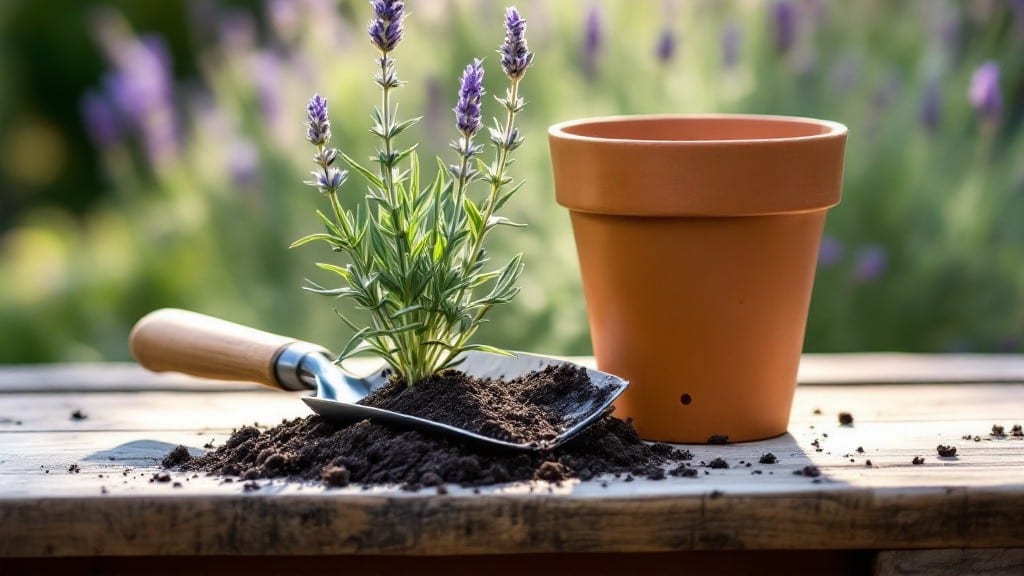
The identification of a lavender seedling begins with those first tiny leaves—gray-green spoon shapes that are narrower and more pointed than most herbs, almost like miniature alligator jaws. 🌱 I’ve spent years watching seedlings pop up, and lavender’s cotyledons (those initial leaves) are almost unmistakable once you know what to look for. jaws.
The real giveaway comes later when true leaves appear, fuzzy and silvery-blue, nothing like the smooth edges of rosemary or thyme.
Confusion happens when you mix lavender with similar aromatic seedlings like sage or oregano. Lavender’s stems stay square and woody early on, while most herbs develop round stems. The leaves also grow in opposite pairs along the stem, not alternating like many other plants.
I once thought I had lavender until I saw the leaves spiraling up the stem—turns out it was mint!
By the time seedlings have 4-6 true leaves and are about 3 inches tall, they’re ready for transplanting. The roots should be white and fibrous, not brown or mushy. At this stage, you’ll also notice that crushed leaves release that unmistakable lavender scent—no other herb smells quite like it.
That’s your green light to move them to individual pots or the garden bed.
The key to avoiding mistakes is patience—don’t rush to identify seedlings too early. Wait until you see those signature fuzzy, gray-green leaves and square stems. Once you know what to look for, lavender seedlings become unmistakable. Here’s what to watch for as they grow!
Common Mistakes in Seedling Recognition
Identifying lavender seedlings can be tricky, especially when they’re still young and lack the signature scent or mature foliage. Misidentification often stems from a few key factors—whether it’s confusing lavender with similar herbs or overlooking subtle growth patterns.
Below, we break down the most common reasons why gardeners struggle to recognize lavender seedlings, along with the science behind each issue.
Lavender seedlings can easily be mistaken for other aromatic or similarly shaped plants, like rosemary, thyme, or even certain mint varieties. The confusion arises because:
- Early-stage leaves: Young lavender seedlings often have broad, oval leaves that resemble those of rosemary or sage. Lavender’s distinctive narrow, lance-shaped leaves don’t fully develop until the plant matures (typically 6+ weeks).
- Similar growth habits: Many herbs in the Lamiaceae family (like lavender) have square stems and opposite leaf arrangements, making them visually alike at first glance.
- Lack of fragrance: Immature lavender lacks its signature floral scent, which is a key identifier for mature plants. Without this clue, seedlings can blend in with other herbs.
Actionable fix: Wait until seedlings develop silvery-gray downy hairs (a hallmark of lavender) or perform a leaf crush test—crush a leaf between your fingers. If it releases a faint, sweet, or camphor-like aroma (even if subtle), it’s likely lavender.
Lavender seedlings have specific structural features that distinguish them from lookalikes, but these are often missed due to:
- Premature pruning or damage: If seedlings are trimmed too early (e.g., for transplanting), their unique square stems (a trait of the Lamiaceae family) may not be visible, leading to misidentification.
- Variegation or disease: Some lavender varieties (like Lavandula × intermedia) may show slight variegation or stress marks on leaves, which can be mistaken for pests or nutrient deficiencies rather than normal growth.
- Light conditions: Seedlings grown in low light may develop elongated, pale stems and smaller leaves, further obscuring their true form.
Actionable fix:
- Examine the stem base—lavender stems are square when cut lengthwise (like mint or basil).
- Check for downy hairs on leaves or stems, especially on the undersides.
- Compare seedlings side-by-side with a known lavender plant (even a photo) to spot differences.
Lavender seedlings go through distinct phases where identification becomes harder. The primary challenges include:
- Cotyledon stage (first leaves): The initial leaves (cotyledons) of lavender seedlings are often round and smooth, resembling those of many other plants. True lavender leaves (the ones that appear later) are the key to accurate ID.
- Slow maturation: Lavender grows slowly compared to annual herbs like basil or cilantro. If you’re expecting quick results, you might pull seedlings before they develop identifiable traits.
- Hybrid confusion: Some lavender hybrids (e.g., Lavandula × chamæleon) may have broader leaves or different growth patterns, making them harder to distinguish from non-lavender plants.
Actionable fix:
- Wait 6–8 weeks before attempting identification—this gives seedlings time to develop true leaves (not cotyledons).
- Use a magnifying glass to inspect leaf edges for tiny serrations or gray pubescence (fine hair).
- If unsure, plant a few seeds and observe growth over time—lavender’s scent and flower spikes will confirm its identity.
Pro tip: 💡 Keep a seedling journal with photos of each stage. Document leaf shape, stem texture, and growth speed to build a reference for future identifications!
Quick Fixes for Lavender Seedling Confusion
Identifying lavender seedlings can feel like solving a botanical puzzle, but with the right steps, you’ll unlock clarity—fast! Below are practical, step-by-step solutions tailored to common identification challenges, from mislabeling to environmental stress. Each fix includes prevention tips to keep your seedlings thriving long-term.
Problem: Your seedlings resemble other herbs (e.g., rosemary, sage) or weeds, making identification tricky.
Fix:
- 🌿 Examine Leaf Shape & Texture
- True lavender has narrow, gray-green leaves with a slightly fuzzy texture (thanks to tiny hairs). Run your fingers over the leaves—if they feel velvety, it’s likely lavender.
- Imposters like rosemary have sharper, more pointed leaves with a smoother surface.
- 🌱 Check Stem & Growth Pattern
- Lavender stems are square-shaped (not round) and woody at the base as they mature. Young seedlings may be soft but should show this trait by 4–6 weeks.
- Weeds (e.g., lamb’s quarters) have round stems and broad leaves—a dead giveaway.
- 🌸 Look for Buds or Flowers - Even tiny lavender seedlings may produce small purple or blue buds (especially in warm climates).
If you spot clustered, fragrant buds, it’s lavender. - Pro tip: Crush a leaf—true lavender smells sweet and floral, while rosemary has a pine-like aroma.
Prevention:
- 📝 Label seedlings immediately with a toothpick or plant tag, including the date planted and expected traits.
- 🌱 Start with certified lavender seeds from reputable sellers to avoid hybrids or mislabeled varieties.
Problem: Your seedlings are yellowing, wilting, or stunted, making them hard to identify clearly.
Fix:
- 💧 Check Watering Habits
- Overwatering causes yellow leaves (root rot) and mushy stems. Lavender hates soggy soil—water only when the top 1–2 inches of soil are dry.
- Underwatering leads to droopy, crispy leaves. If the soil is bone-dry, soak the pot and place it in a tray of pebbles for indirect moisture.
- ☀️ Adjust Light Exposure
- Lavender needs 6+ hours of sunlight daily. If seedlings are leggy or pale, move them to a sunnier spot (a south-facing window or grow light works).
- Fix: Use a reflective surface (like aluminum foil behind pots) to maximize light.
- 🌿 Fertilize Lightly (If Needed)
- Lavender is low-maintenance—over-fertilizing causes weak growth. Use a balanced, diluted fertilizer (5-5-5) once a month in spring/summer.
- Signs of over-fertilizing: Dark green, soft leaves or excessive leaf growth (lavender should stay compact and woody).
Prevention:
- 🌱 Use well-draining soil (mix cactus/succulent soil with perlite).
- 🌡️ Avoid temperature shocks—lavender thrives in USDA Zones 5–9 but struggles in humidity (use a fan if indoors).
Problem: Tiny holes, white residue, or black spots make it hard to see lavender’s true form.
Fix:
- 🐜 Identify the Culprit
- Aphids (tiny green/black bugs) or spider mites (fine webbing) are common. Blast them off with a strong stream of water or neem oil spray.
- Fungal issues (black spots) mean overwatering—let the soil dry out and remove affected leaves.
- 🌿 Isolate & Treat
- Move infested seedlings away from healthy plants to prevent spread.
- DIY spray: Mix 1 tsp neem oil + 1 tsp dish soap + 1 quart water. Spray every 3–4 days until pests vanish.
Prevention:
- 🕷️ Encourage beneficial insects (ladybugs, lacewings) by planting marigolds nearby.
- 🌱 Inspect new plants before bringing them indoors.
💡 Pro Tip: Keep a lavender seedling ID cheat sheet nearby with photos of true lavender vs. lookalikes (like rosemary or wormwood). A quick glance can save hours of guesswork!
✨ Bonus: If your seedlings are still unrecognizable, snap a photo and compare it to a lavender seedling growth chart (like those from University of California Extension). Sometimes, a side-by-side helps!
Frequently asked questions
How do I tell lavender seedlings apart from rosemary or thyme?
Look for square stems and gray-green, fuzzy leaves—lavender’s signature traits. Rosemary has needle-like leaves and a pine scent, while thyme has tiny, rounded leaves growing close to the stem. Lavender’s leaves are narrower and grow in opposite pairs along the stem.
When are lavender seedlings ready for transplanting?
Wait until seedlings have 4-6 true leaves (not cotyledons) and are about 3 inches tall. The roots should be white and fibrous, and you’ll notice a faint lavender scent when crushing leaves. Transplant on a sunny day to reduce stress.
Why do my lavender seedlings look like weeds?
Young lavender can resemble weeds like lamb’s quarters, which have broad leaves and round stems. Check for square stems and downy hairs on leaves—lavender’s defining features. Weeds lack these traits and often have more irregular leaf shapes.
Can I identify lavender seedlings by scent alone?
Not at first—young seedlings lack the strong fragrance. Once they develop 4-6 true leaves, crush a leaf between your fingers. True lavender releases a sweet, floral aroma, while imposters like rosemary smell piney or minty.
What if my lavender seedlings are growing too slowly?
Lavender is naturally slow-growing. Ensure they get 6+ hours of sunlight daily and well-draining soil. Overwatering or poor light causes stunted growth. If leaves are yellow, reduce watering—lavender prefers dry conditions.